Today, I’m tackling one big question: has Google finally nailed it with their tenth attempt at a flagship? Does the Pixel 10 Pro XL, with its controversial Tensor G5 chip, familiar cameras, and great battery, actually deliver that magic moment we’ve been waiting for?
Design and Feel

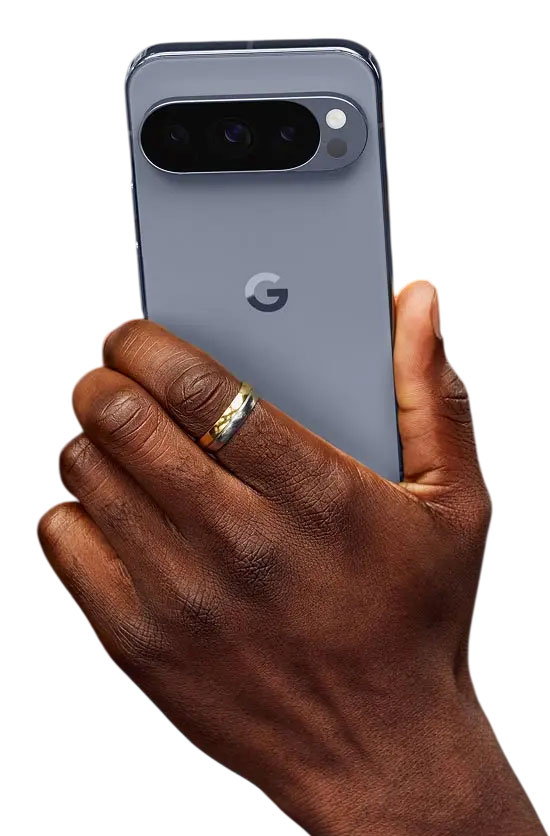
The first thing I noticed when I picked up the Pixel 10 Pro XL was its weight. At 232 grams, it’s 12 grams heavier than the 9 Pro XL. I’m honestly wondering what Google packed inside because, at 8.5mm, it’s the same thickness as last year. Maybe it’s the bigger battery or an upgraded cooling system? You’ll get used to the weight, but it’s definitely heavy and might get tiring during long sessions.
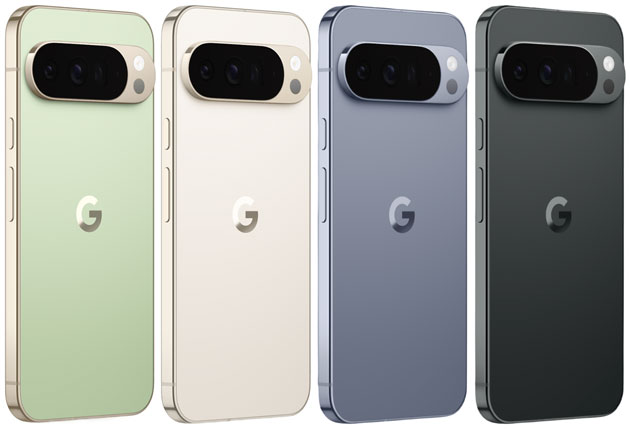
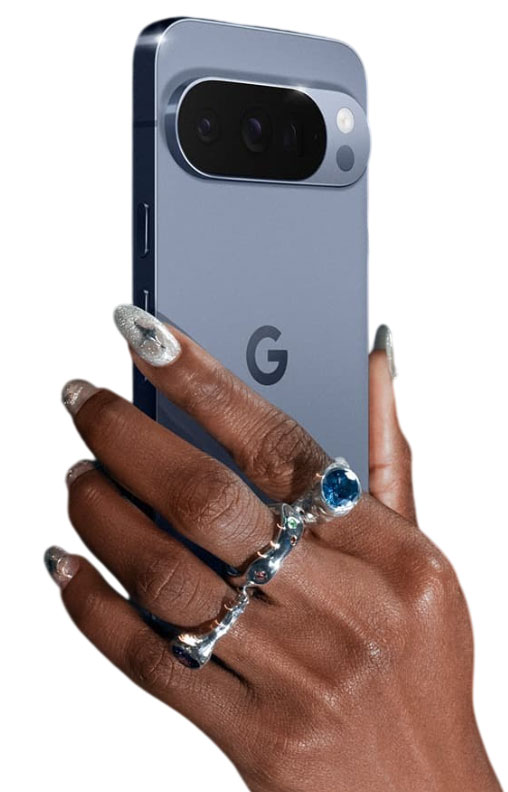
You can buy the Pixel 10 Pro XL in four colors: Moonstone, Jade, Porcelain, and Obsidian.

The build is premium: Gorilla Glass Victus 2 on the front and back with an aluminum frame. The back is great at hiding fingerprints, but the flat frame is a total fingerprint magnet. That said, the flat edges with soft corners make it feel really comfortable in the hand. Like the previous generation, it has an IP68 rating for dust and water resistance.

I still can’t wrap my head around Google’s obsession with putting the power button above the volume rockers. It’s the opposite of 99% of phones out there, and honestly? Even after months of use, my thumb still goes for the volume instead of power every single time. It’s maddening.

I have to mention the haptics. They’re hands-down the best in the Android world. From adjusting brightness to typing or moving icons, every interaction has a wonderfully satisfying and precise vibration feedback.
Display and Sound
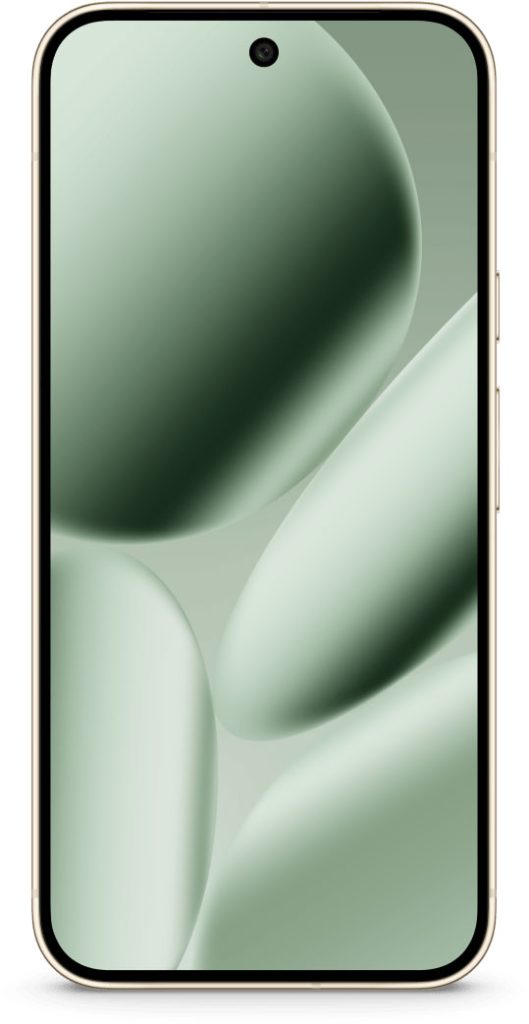
It’s basically the same screen as before, just brighter. The 6.8-inch display of the Pixel 10 Pro XL is a Super Actua OLED that hits a staggering 3300 nits in direct sunlight. That’s 700 nits brighter than last year. It’s a full half-inch bigger than the base Pixel 10 Pro.
With a resolution of 2992 x 1344 pixels, a sharp 486 ppi density, and LTPO tech (smartly switching from 1Hz to 120Hz to save battery), everything from scrolling to gaming looks buttery smooth.
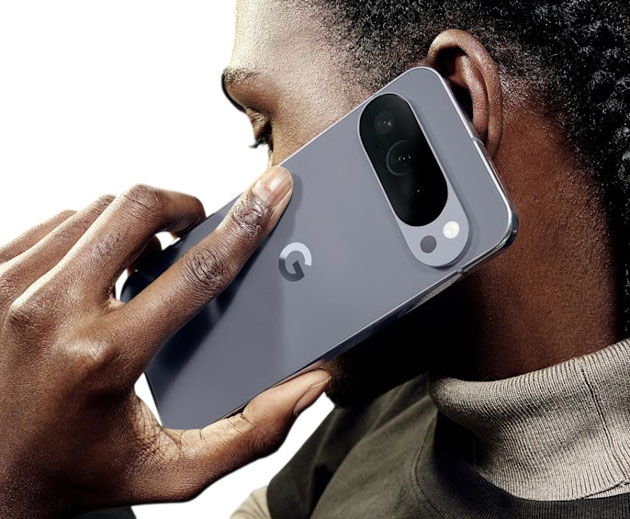
The ultrasonic fingerprint sensor under the screen is lightning fast and very secure. As for the audio, it has stereo speakers that sound really good, even better than the S25 Ultra.
Camera
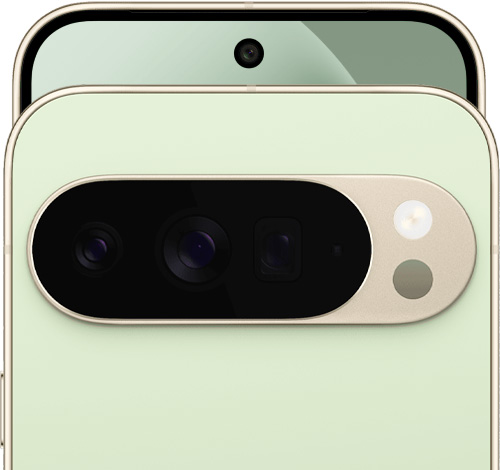
The Pixel 10 Pro XL’s camera hardware hasn’t changed much from the previous generation, except the stabilizer is slightly better. All the changes are in the software and the image processing section of the chipset. You’re getting the same 50MP wide, 48MP ultrawide, and 48MP telephoto (5x optical, 100x digital).

Photos from the main sensor are good, but not mind-blowing in terms of raw detail. However, the colors and dynamic range are top-tier. I think the photos you take with this have much more natural colors compared to iPhone and Samsung.

Google hyped up the zoom, but it’s a bit hit-or-miss. Even with a dedicated lens, the fine detail isn’t quite there. At 100x zoom, faces and text look messy, though AI does a decent job cleaning up buildings or plants.

The ultrawide is solid, though you’ll spot some noise occasionally. But Night Sight? That’s where this phone truly shines. Whether it’s photos or video, the AI works wonders at removing noise and balancing light. It’s arguably better than both Apple and Samsung in the dark.

For video, you’ve got 8K at 30fps (which nobody uses), and 4K at 60 and 30fps. The stabilization is a bit weaker than other flagships, and you’ll notice a bit more shake and less sharpness. It’s a good video camera, but it’s still trailing behind the big rivals.

On the front, that 42MP selfie camera? Absolutely amazing. Skin tones and facial details are spot on.
Performance
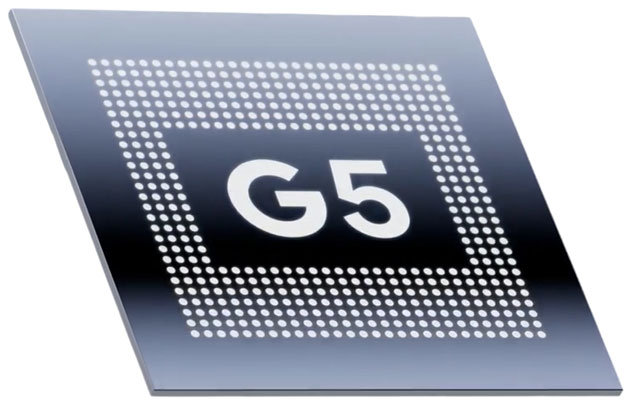
Now I want to talk about the most controversial part of the Pixel 10 Pro XL: the Tensor G5 chip. Google finally ditched Samsung and moved production to TSMC (the folks who make chips for Apple and Qualcomm). We all hoped this would fix the efficiency and heat issues. Did it? Well, yes and no. This chip is like a car engine that’s become very fuel-efficient but is still weak.

The Tensor G5’s performance in benchmarks is actually disastrous. While it’s 15% better in single-core and 40% better in multi-core tasks than the G4, it’s only just catching up to flagships from two years ago. It’s 30 to 40% weaker than the S25 Ultra. In graphic processing, the situation is even worse as it’s 50% weaker.

Keep in mind this weakness isn’t just for gaming. Google has been claiming for years that they optimize Tensor chips specifically for AI processing. However, in every benchmark I tested, the Tensor G5 in the Pixel 10 Pro XL is much weaker than the Snapdragon 8 Elite in the S25 Ultra or the A18 Pro in the iPhone 16 Pro. When this chip is weaker than its main rival even in its specialized field, Google either needs a serious redesign of the architecture or should just join the line to buy Qualcomm chips like everyone else.
On the bright side, Google finally upgraded the storage from UFS 3.1 to UFS 4.0, which is way faster. Every model starts at 256GB up to 1TB, and comes with 16GB of RAM, so multitasking is a breeze.
Battery and Charging
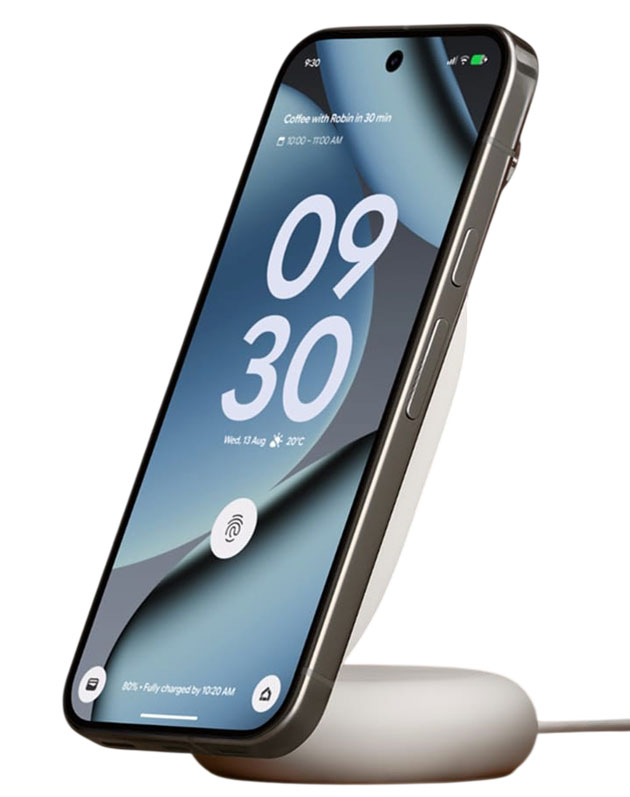
Finally, some great news! The Pixel 10 Pro XL’s 5200mAh battery is stellar. That efficient (but weak) G5 chip is actually killing it here. With 20% more battery life than the S25 Ultra, it won’t let you down even on your busiest days. This is exactly the ace up the sleeve Pixel needed.
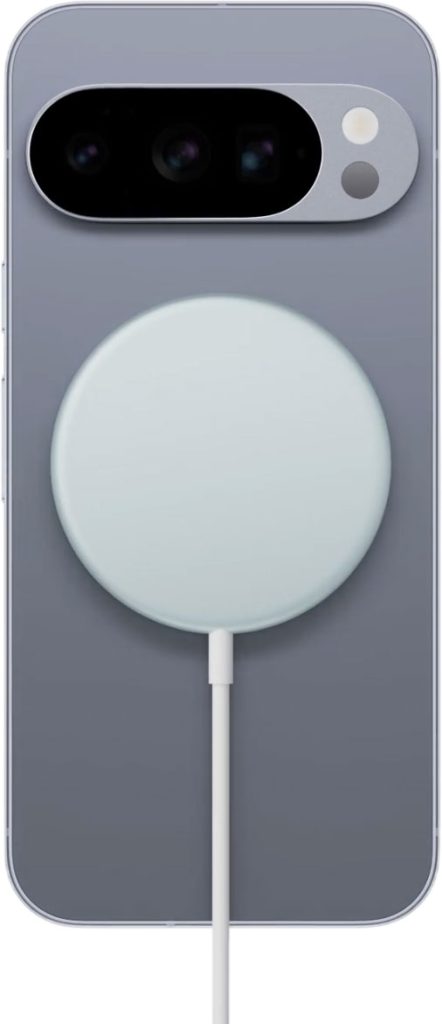
Charging speed has also improved, jumping from 25W to 45W, hitting 70% in 30 minutes. Plus, it’s one of the first Androids to support Qi2 magnetic charging. This means you can use Apple MagSafe accessories! Google even launched their own Pixelsnap line of magnetic gear.
OS and Update
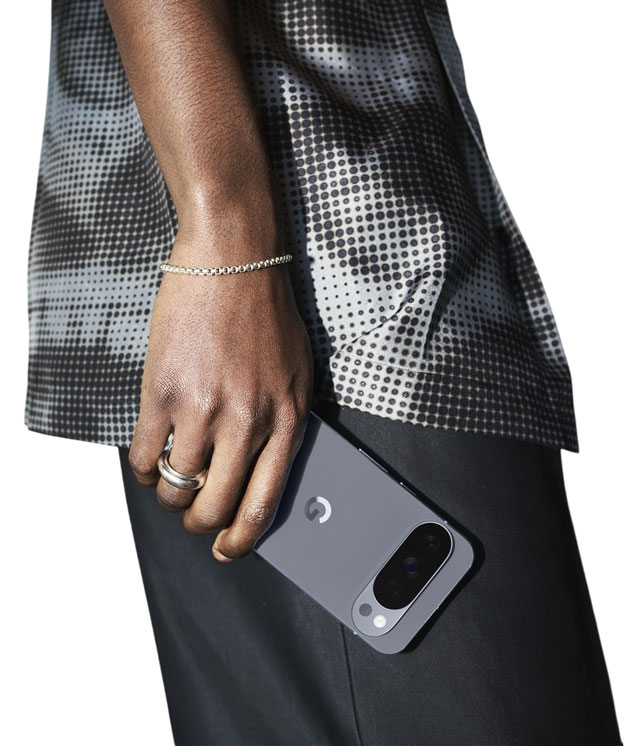
The Pixel 10 Pro XL ships with Android 16 and a massive 7-year update promise. If the Tensor G5 can actually survive that long, you’ll be supported all the way until 2032.
What’s in the Box?
Based on what we’ve seen in recent Google boxes, you already know what you’re getting when you buy the Pixel 10 Pro XL. You’ll get the phone itself (if they haven’t ditched that too by now!), 1m USB-C cable, and SIM tool. But you’re gonna have to buy the charging brick separately.