Every year, just as the mobile market starts to get a bit quiet, Poco drops a new F-series phone and shakes things up like a bombshell. From day one, Poco’s philosophy has been simple: cramming the most powerful hardware possible into a device at a price that won’t burn a hole in your pocket.
With a flagship-grade processor, a battery that seems bottomless, and a display that pops, the Poco F7 is here to reclaim that legendary “Flagship Killer” title. But is it actually the top choice for everyday use, or just another hype train? Stay with me for this deep dive into the Poco F7.
Design & Build
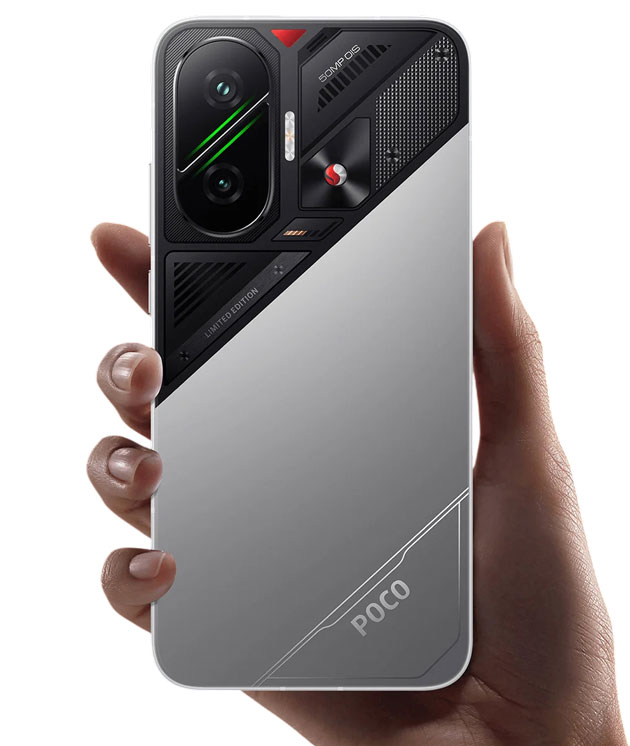
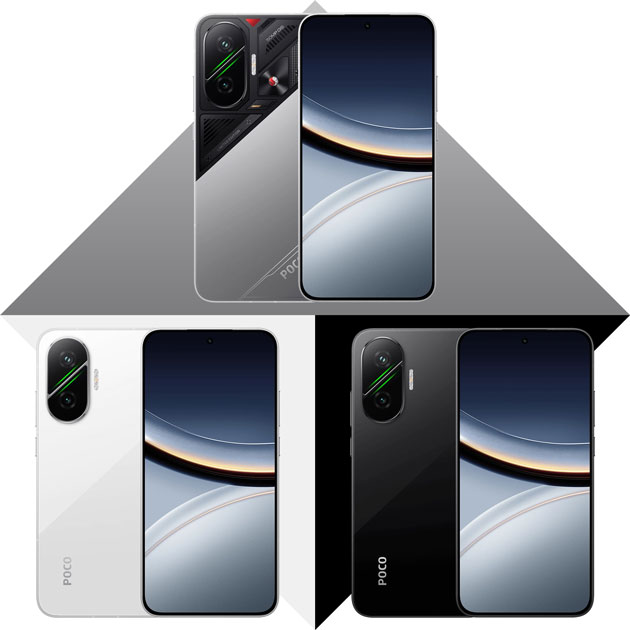
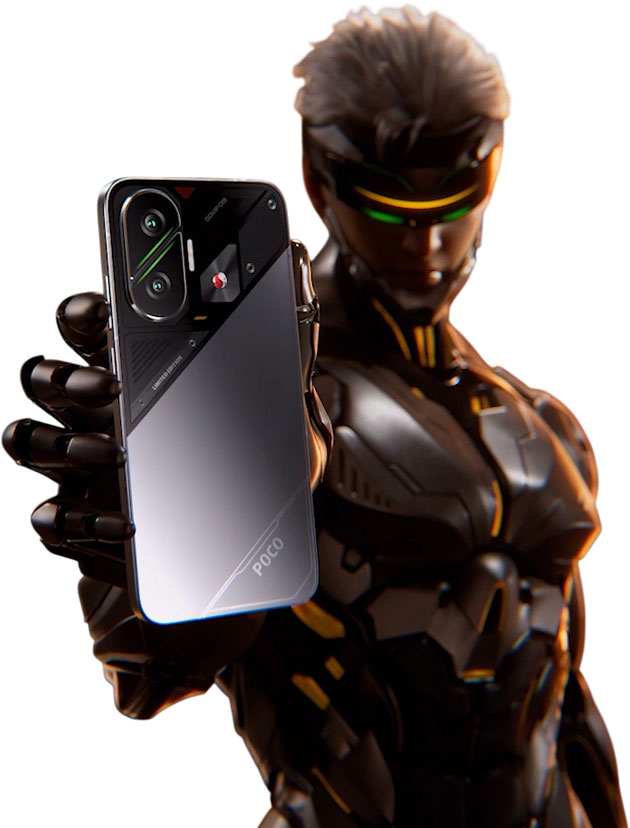
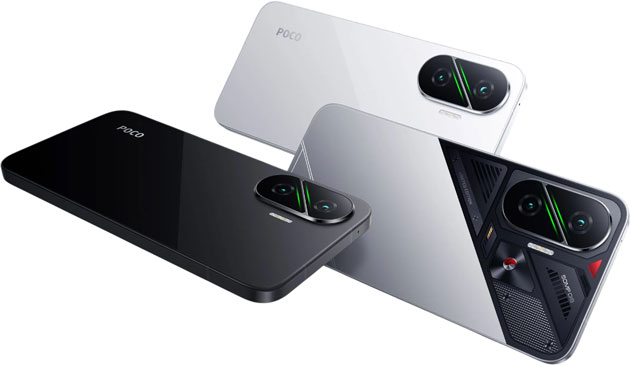
First things first: this design is an absolute head-turner. We’re looking at an incredibly beautiful design here. The limited Cyber Silver edition is basically half-Nothing (shoutout to Nothing Phone style).
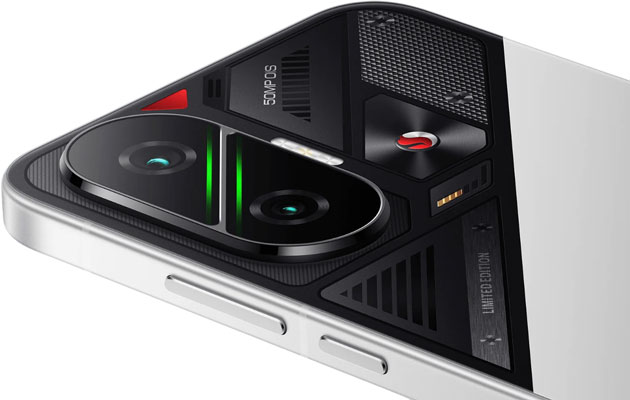
Look at the top part of the back: it’s a two-tone transparent design where you can see some blacked-out components and details. It’s got a cool diagonal cut, and there’s a separator between the two vertical cameras in my favorite color, green, which shimmers when you move the phone. This version screams “I’m a gaming phone.”
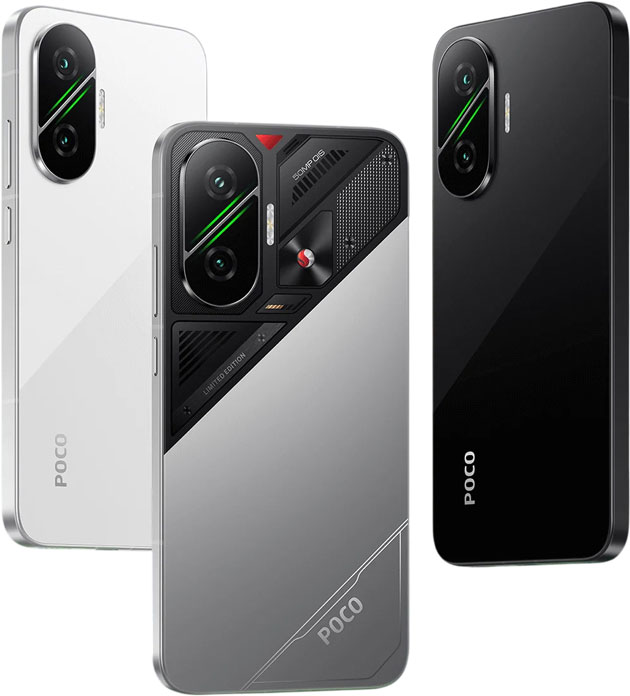
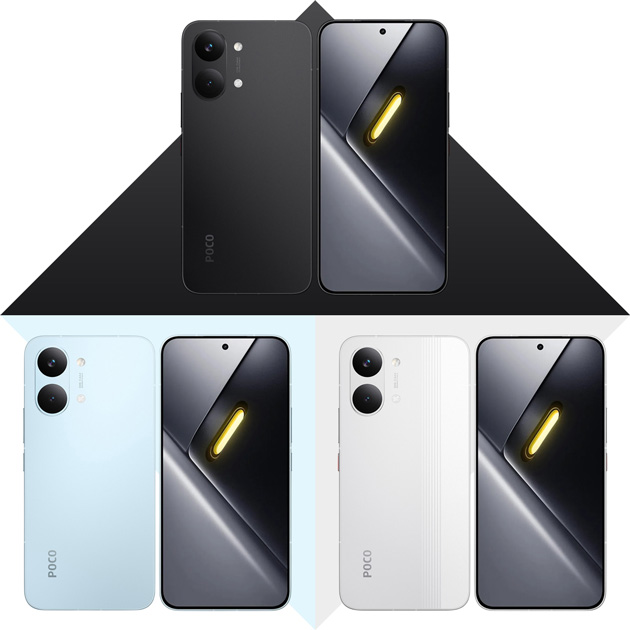
It also comes in Black and White, which are sleek and simple, maybe a bit too simple for some. The back is Gorilla Glass, and the camera bump is impressively slim and attractive. Honestly, the back looks stunning, but you definitely need a case because it’s a total fingerprint magnet.
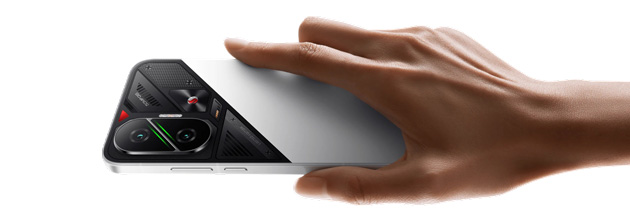
The frame is aluminum, and what I really love is the shape and the way it’s carved. Holding the Poco F7 feels different from your typical smartphone.
Poco didn’t cheap out on materials here; it feels premium. Sure, at 8.2mm thick and 215g, it’s not the thinnest or lightest phone, but with that massive battery and high-quality screen, you wouldn’t expect anything else.
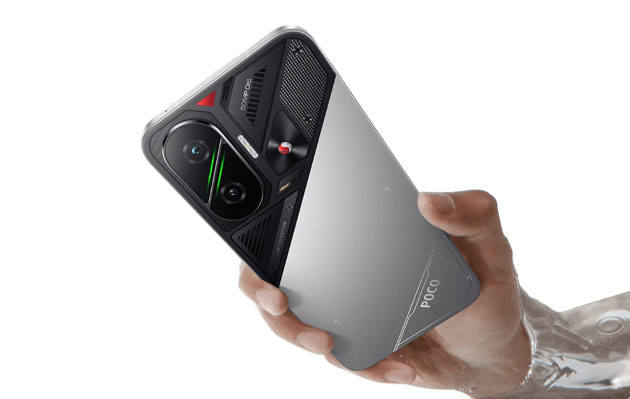
In this price range, it even comes with an IP68 rating. That means it’s waterproof up to 1.5 meters for 30 minutes, so no worries about using it in the rain or by the pool.
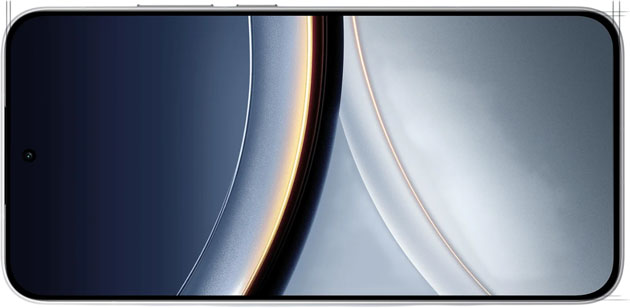
On the front, you get a flat display that covers almost 94% of the panel. The bezels are slimmer than the previous model, and the selfie camera sits in a neat punch-hole.
Display & Sound

The Poco F7’s screen doesn’t just compete; it straight-up leaves its Samsung rivals in the dust. We’re looking at a massive 6.83-inch AMOLED panel with a buttery-smooth 120Hz, 68 billion colors, and a crisp 1.5K resolution. But the real kicker? The brightness is insane, peaking at 3200 nits, making it one of the brightest screens you can get your hands on right now.

Now, if you’re looking for a flaw, the only catch is that it isn’t an LTPO panel. It switches between 60Hz and 120Hz instead of scaling all the way down to 1Hz. You might think that’ll hurt the battery, but stick around for the battery section because this phone is such a beast, you won’t even miss LTPO. Plus, with Gorilla Glass 7i, it’s built to handle your daily hustle without those annoying scratches.
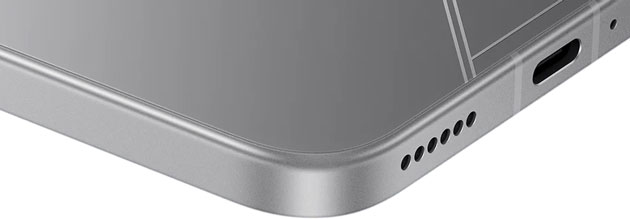
The stereo speakers are okay but could’ve been better. They support Dolby Atmos and work fine for gaming or movies, but for music, you’ll want your headphones nearby.
Battery & Charging
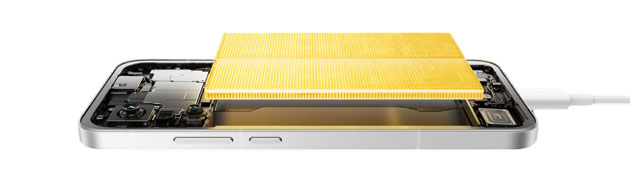
Xiaomi packed a 6500mAh Silicon-Carbon battery inside the Poco F7, giving you about 10 hours of screen-on time. For a normal user, that’s an easy two days of juice.
You also get a 90W adapter in the box that hits 80% in just 30 minutes. The battery and charging are simply top-notch. Just compare this to the Samsung Galaxy S25 FE with its 4900mAh battery and 45W charging, where you even have to buy the brick separately!
Camera
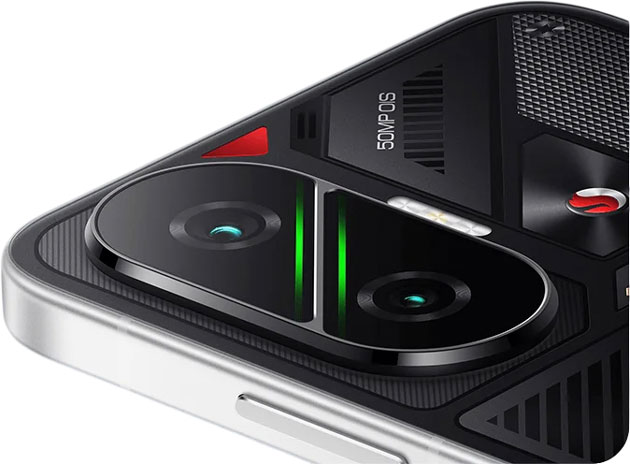
The Poco F-series usually isn’t known for top-tier cameras since they focus heavily on power and battery. The Poco F7’s camera isn’t mind-blowing, but if you aren’t a pro content creator, it’ll get the job done.

The 50MP main camera performs well in good lighting, capturing decent detail, dynamic range, and sharpness with natural colors. There’s an 8MP ultrawide sensor that looks okay at first glance, but if you zoom in, the detail isn’t there. There’s no telephoto lens.

It supports 4K 60fps video on the main sensor, but switching to ultrawide drops it to 1080p. The stabilization is actually quite good, and the footage quality is solid. However, if you’re the type who spends hours editing Instagram aesthetics, you might want to look elsewhere; Samsung’s rivals offer better photo and video quality.

On the front, the 20MP sensor takes good selfies, though they lack fine detail, and it records video at 1080p.
Performance
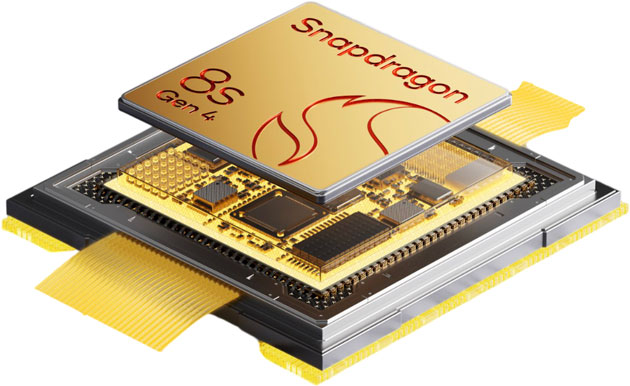
When it comes to raw power, the Poco F7 punches way above its weight class. I’m talking about the Qualcomm Snapdragon 8s Gen 4 chipset. It runs games at the highest graphics settings with ease; it’s stable, stays surprisingly cool even after an hour of gaming, and the UI is butter-smooth.

With an AnTuTu score soaring past 2 million, it doesn’t just beat other mid-rangers; it leaves them in the dust and goes head-to-head with the big boys.
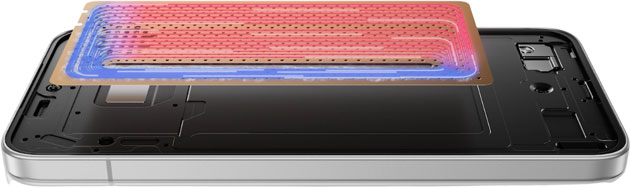
It features Poco’s largest cooling system yet, called IceLoop. You can really feel the difference, the phone stays impressively cool even under pressure, keeping everything running rock-solid.

Paired with 12GB of RAM and UFS 4.1 storage, this chip handles games like a breeze. Just a quick heads-up: there’s no SD card slot, so definitely grab a high-storage model from the get-go.
OS & AI

The Poco F7 runs HyperOS 2 based on Android 15, with four years of promised updates. That should take you all the way to Android 19. It includes Google AI features like Gemini and Circle to Search.

The AI photo editor can remove objects, though it’s a bit hit-or-miss. Sometimes it doesn’t remove things completely, or it generates something weird in their place. The AI performance is average, but the processor and software work great together. Between the battery and the high-quality screen, you can really rely on it for gaming and media.
In the Box

No need to buy anything extra. Inside the box, you’ll find the Poco F7, the 90W charger, a data cable, a SIM ejector tool, and that quick start guide that nobody ever reads.