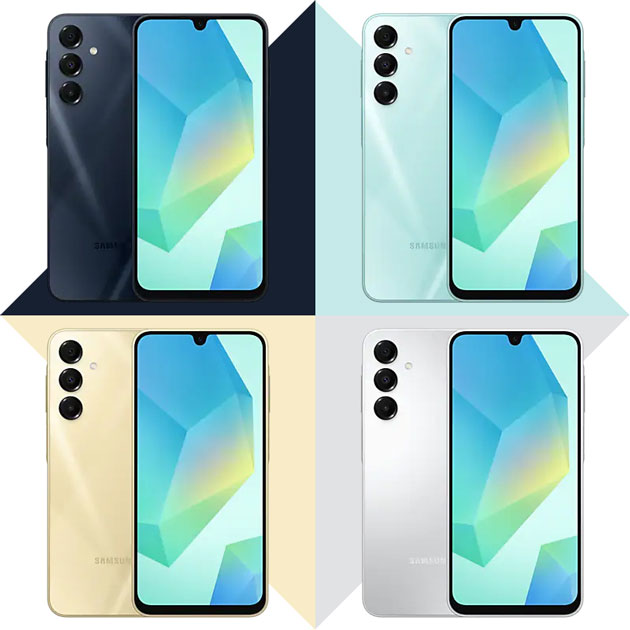
Today the 4G and 5G versions of the Samsung Galaxy A16 are here and I want to review both of them. I’ll tell you about all their differences so if you’re planning to buy this phone, you’ll know exactly which version is right for you.
Design
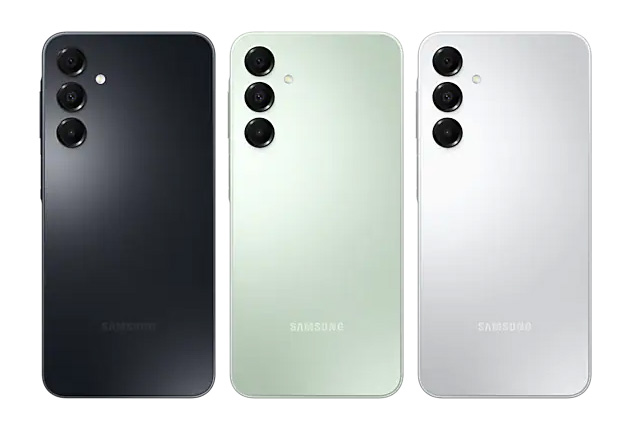
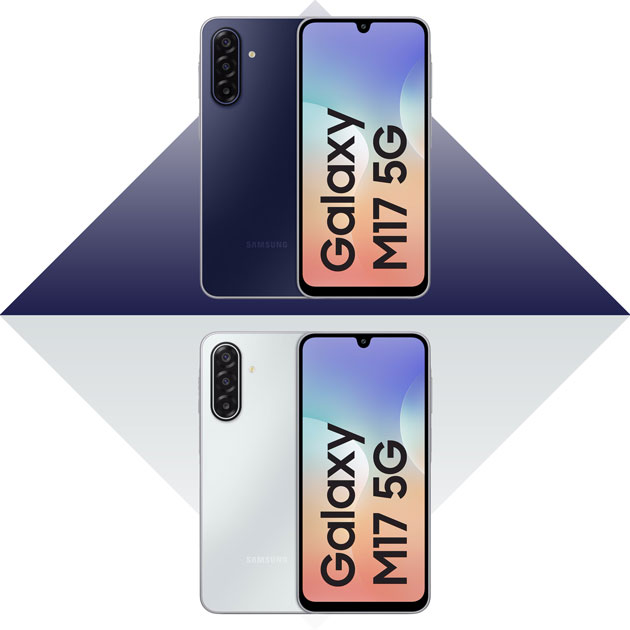
Alright, let’s start with the colors. The Galaxy A16 4G has three colors: Black, Light Green and Gray, and I’ve got the Black one in my hands right now for this review. The Galaxy A16 5G has four colors which are Blue Black, Light Green, Gold and Light Gray, and I’m holding the Blue Black one for this model. Both versions weigh 200g and are 7.9mm thick.
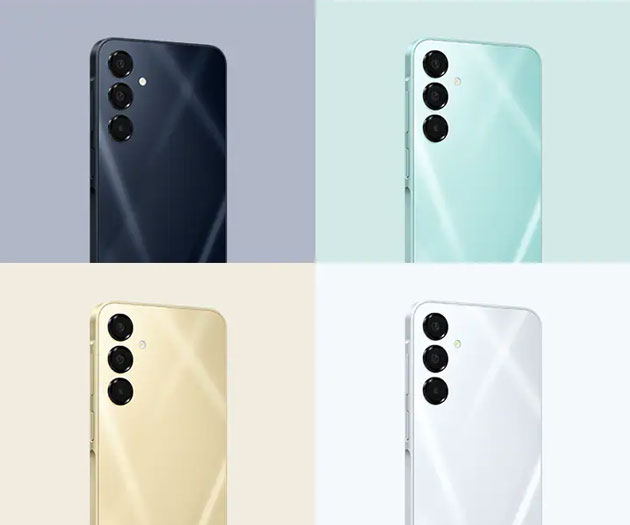
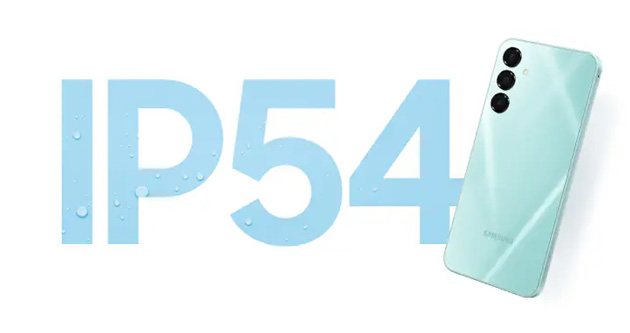
Everything is plastic. The back panel of the 5G version is glossy and picks up a lot of fingerprints. The first difference is that the 4G version has a matte back, so fingerprints barely show up on it.
The frame is plastic too. At the bottom of the phone, there’s a Type-C port, a speaker, and a microphone. On the right edge, you’ll see the power button and volume rockers, and the fingerprint scanner is built right into the power button. At the top, there’s another microphone, and on the left edge, you’ll find the SIM tray.
The front panel is a flat display with pretty thick bezels, and the selfie camera at the top is housed in a waterdrop notch, meaning it’s not a punch hole. Compared to Xiaomi phones in the same class, it honestly has really thick bezels.
Display & Audio

The Galaxy A16 has a 6.7-inch Super AMOLED panel. The 4G version’s display is 0.2 inches larger than the Galaxy A15 4G’s screen. The resolution on both models is 1080p with a 90Hz refresh rate. Only the brightness isn’t that great, but it performs well in all other aspects. I just wish the bezels were thinner.
The speaker on both models is mono, and when you max out the volume, it doesn’t get very loud, and the sound quality and separation aren’t really good either.
Battery & Charger
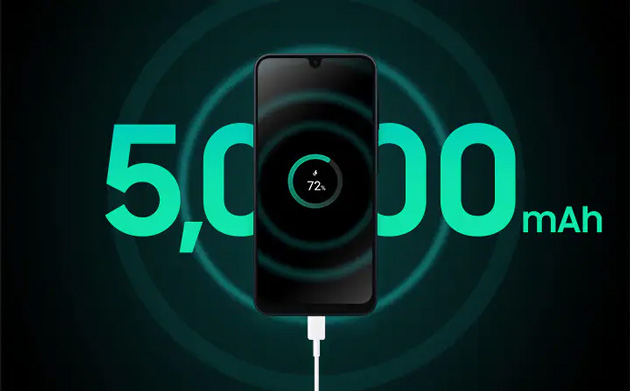
Classic Samsung, they’ve packed a 5000mAh battery inside the Galaxy A16 that supports a 25W adapter, but there’s no charger in the box. A full charge with a 25W adapter takes about 90 minutes.
Unfortunately, compared to the previous generation, the A15, the battery doesn’t last as long. The battery on the Galaxy A16 barely makes it through a full day, especially on the 5G version. It basically gives you around 7 or 8 hours of screen-on time with moderate to heavy usage.
Camera
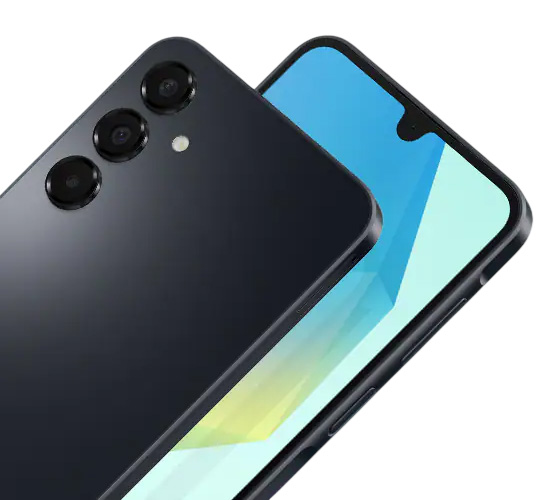
On the back of the Galaxy A16, there are three cameras: a 50MP main, a 5MP ultrawide, and a 2MP macro.
The main 50MP sensor captures photos with good details, sharpness, and white balance during both day and night, but its dynamic range isn’t very good. Photos taken of faces in well-lit environments are usually nice, and it takes decent portraits.

The 5MP ultrawide camera honestly isn’t great and doesn’t capture a lot of detail. And I won’t even talk about that macro sensor because it’s pretty useless.
For video, it only records in 1080p at 30fps, and only the main sensor is actually good for filming. It has decent stabilization, and you can capture some acceptable videos with it.

On the front, the 13MP selfie sensor has two flaws. First, it’s slow at focusing, so if your hand shakes even a little, your photo will definitely come out blurry and lack detail, but if you take your time, you can actually get some really nice selfies. The other downside is that it has a very tight crop, meaning you need to have really long arms to fit a wide scene into the frame.
Performance
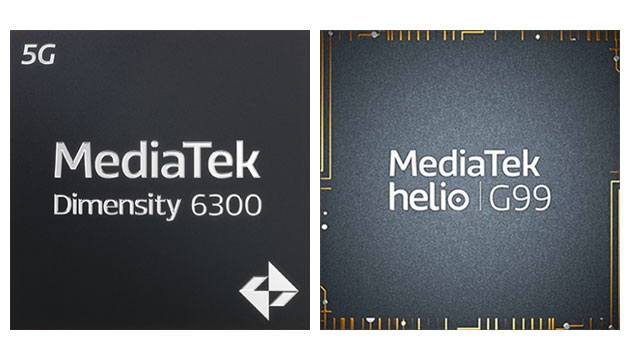
Here is where things get different between the 4G and 5G versions. The Galaxy A16 4G uses the MediaTek Helio G99, which is exactly the same chip found in the previous generation. However, the Galaxy A16 5G uses either the Samsung Exynos 1330 or the MediaTek Dimensity 6300 chipset.
If you want to get the A16 5G, you should know that its processor isn’t totally free of lags and bugs. Once you take it out of the box, install two or three games along with your essential apps, and the app cache fills up a bit, you’ll probably experience some stutters. But when it comes to gaming, it gives you a performance that pretty much matches its price, meaning you can somewhat expect it to handle heavier games.
Even in the user interface, if you avoid installing apps from untrusted sources, don’t fill up the storage too much, and clear the app caches every now and then, it won’t bother you too much. However, the 5G version with the Exynos 1330 chip isn’t great graphically in games.
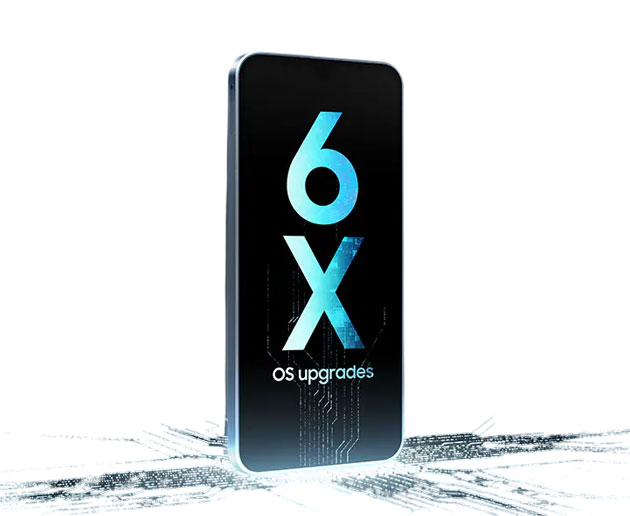
The interesting thing here is that it gets 6 years of Android updates, and I’m just wondering how it’s going to survive 6 years from now when it doesn’t even have a strong processor to begin with. This phone with this hardware won’t last for 6 years, it might work well for at most 3 more years and after that, well…
But the A16 4G is pretty similar to the 5G version in daily use, it’s just slightly better in battery performance. Basically, the 4G version’s processor is more power-efficient. Its gaming performance is a bit weaker than the 5G version, though its graphics are better. So keep in mind that the 4G version offers better graphics and more optimized battery consumption, although the difference is very small.