The vivo X200 Ultra is the kind of phone that makes Samsung and Apple fans break into a cold sweat. We haven’t seen many phones lately with cameras so good you could literally call them “a professional camera that also takes SIM cards.” But that’s exactly what the X200 Ultra is.
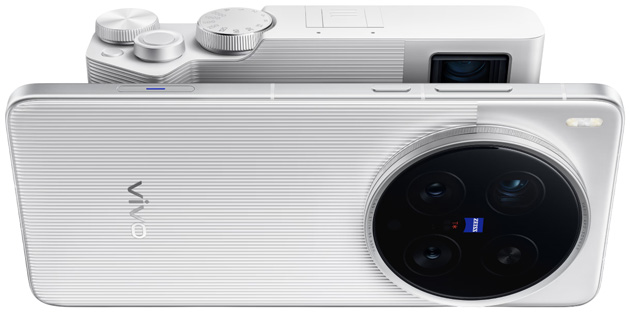
Does the world’s first ultra-wide camera with OIS, a massive 1-inch sensor with a 35mm equivalent lens, and that legendary Zeiss partnership give you enough reason to drop your cash on a Chinese flagship? Let’s find out if it’s all hype or a true game-changer.
Design: A Camera First, A Phone Second
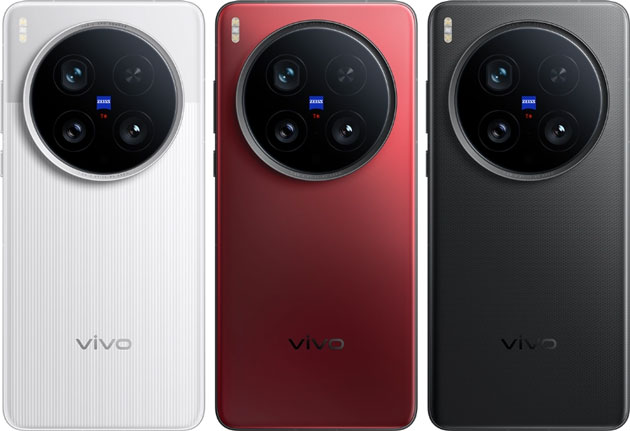
vivo basically looked at the X100 Ultra and said, “Why change perfection?” So, we’re back with that massive, eye-catching camera module. You can get the vivo X200 Ultra in Black, Red, and Silver. Heads up though, this thing is a heavyweight. The silver version is 229g, while the others hit 232g. It’s definitely not a light phone. Trust me, after an hour of scrolling, your pinky finger will be begging for a break.
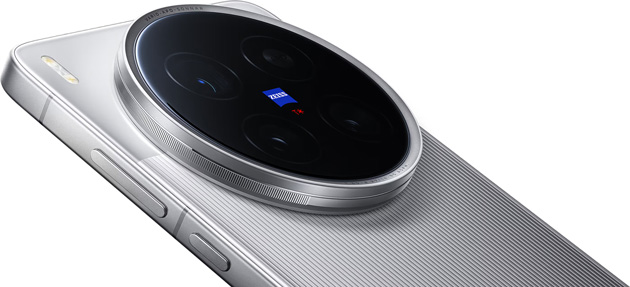
The textured glass back feels premium and resists fingerprints. Not that it matters much, since you’ll probably pop on the included case anyway.
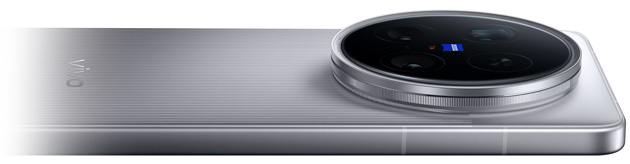
The flat matte aluminum frame feels solid, but let’s be real: at 8.69mm thick with a legendary camera bump, ‘ergonomic’ isn’t the first word that comes to mind. It’s basically a camera with a phone attached to it.
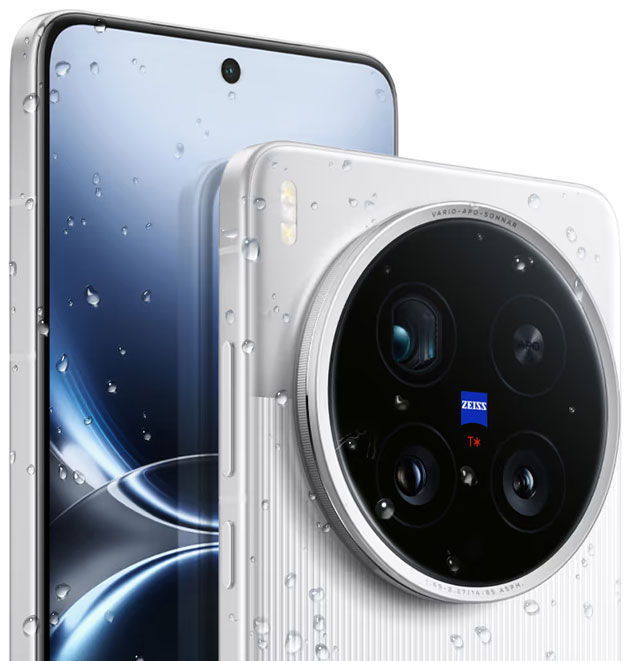
But it’s built like a tank. With IP68 and IP69 ratings, it’s ready for anything from a dusty desert trek to a high-pressure car wash. It handles the elements like a champ.
Camera: A Masterpiece
Since this is a cameraphone, I want to dive into the camera right now. If you’re serious about photography and hate lugging around a DSLR, you should buy a vivo X200 Ultra. As before, vivo collaborated with Zeiss, and this partnership played a huge role in this flagship’s success.
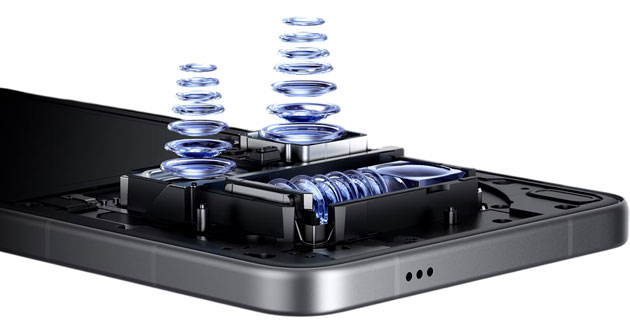
The Zeiss T* coating on these lenses is the real deal. It’s the same tech you’d find in pro cameras, and it totally kills reflections and ghosting. The result? Colors that really pop and images that stay crystal clear.
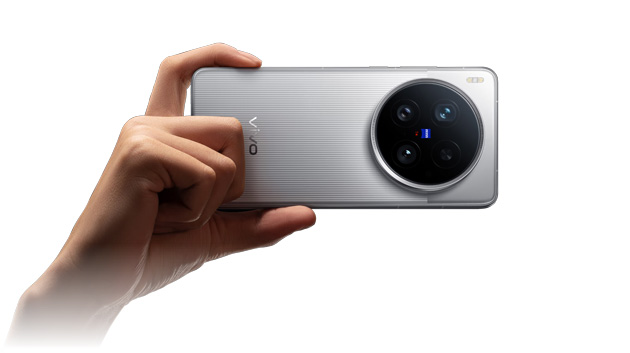
vivo clearly didn’t want to play games with the ultra-wide lens this year. They used the same beefy 50MP LYT-818 sensor (1/1.28-inch) as the main camera, which is a rare move.

Also, sticking with a 35mm main lens is a masterstroke for portrait lovers. It bridges the gap to the 85mm telephoto perfectly, making the transition feel smooth and intentional, rather than that jarring ‘digital jump’ we’re used to on other flagships.

The ultrawide has a 14mm focal length, but the key is that its sensor size is much larger than that of the Pro model, it’s now exactly the same size as the wide camera. What’s that mean? It means more light, less noise, and brighter shadows. You even get a natural bokeh in your shots without using Portrait mode. While most flagships use small sensors for ultrawide, vivo used a massive 1/1.28-inch sensor. Simply put, it’s like having two main cameras.

Both the wide and ultrawide cameras use Dual Pixel Phase Detection Autofocus (PDAF), whereas most phones only have this on the main lens. This means faster focus even in low light with moving subjects. Uniquely, the ultrawide also has OIS (Optical Image Stabilization), something usually reserved for main or telephoto lenses.

As for image quality, the first requirement is pulling detail out of the scene correctly, and that’s where the X200 Ultra shines. Combined with excellent color calibration, standard contrast, and a wide dynamic range (reaching 14EV according to vivo), the results are mesmerizing. It’s a masterpiece of engineering.

The telephoto lens uses the same 200MP HP9 sensor found in the Pro model but with one difference: a wider aperture. This allows for better low-light performance. Shooting with this lens is a joy; the level of detail is insane, making it perfect for portraits. Because it creates a natural shallow depth of field and has a wide focus range, you can take macro shots that’ll leave you speechless. This clarity carries over to video too, delivering cinematic standards that are perfect for close-up subjects.
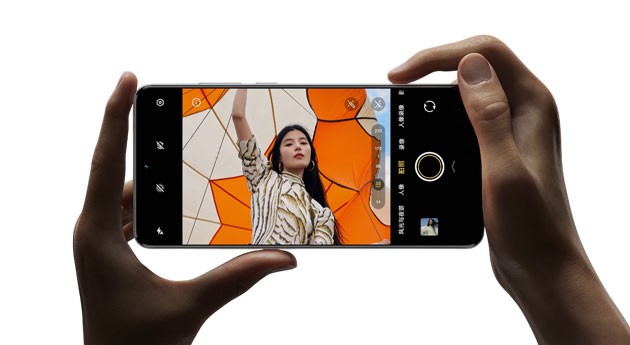
Speaking of video, I’m excited to tell you that the X200 Ultra is on another level. I’ve mentioned the ultrawide has OIS, but the main camera uses “GimbalOIS,” essentially a built-in gimbal. According to CIPA standards, it can compensate for movement by up to 5 stops!

vivo uses a high bitrate for video, covering the same dynamic range as photos. You can shoot up to 8K at 30fps. If you want Dolby Vision HDR, it caps at 4K 60fps, but if you turn HDR off, you can hit 4K 120fps.

In night shots, the Zeiss T* coating prevents lens flare, resulting in minimal light interference. Photos maintain great contrast, natural colors, and almost zero noise. The detail in shadows and reflections on the ground is stunning. The processing isn’t heavy-handed either. Plus, the ultrawide’s performance at night is now excellent due to that larger sensor.

The experience isn’t just about the Snapdragon 8 Elite chip. vivo’s proprietary Blueprint tech and the VS1 and V3+ auxiliary chips to make everything lightning fast. No shutter lag, no stuttering when switching lenses, even during 4K Dolby Vision recording. Plus, the camera is so optimized that you can shoot all day without killing the battery, challenging even the most powerful iPhones.
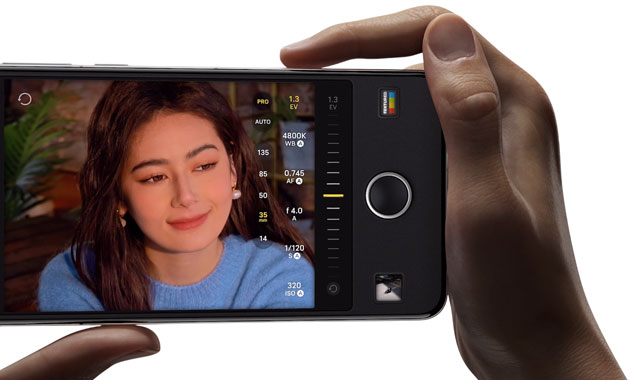
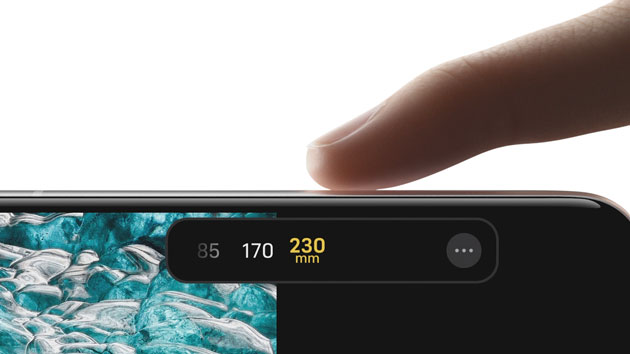
To complete the experience, there’s a physical button on the right frame, similar to the iPhone’s Camera Control. It’s pressure-sensitive and customizable: swipe to zoom or change exposure, light touch to lock focus, or a full press to snap a photo.
Up front, vivo hasn’t left anything to chance for the selfie camera of the X200 Ultra. the 50MP selfie camera with autofocus delivers detailed shots with natural skin tones and a lovely, creamy bokeh that really makes the subject pop.
Display
The X200 Ultra’s screen is a 6.82-inch OLED panel with 1440 x 3168 resolution. It’s a 10-bit panel (1 billion colors) with a 120Hz LTPO refresh rate. Peak brightness hits 4500 nits, making outdoor viewing a breeze. It supports Dolby Vision and HDR Vivid. For eye protection, it uses 2160Hz high-frequency PWM dimming to reduce strain in low light.
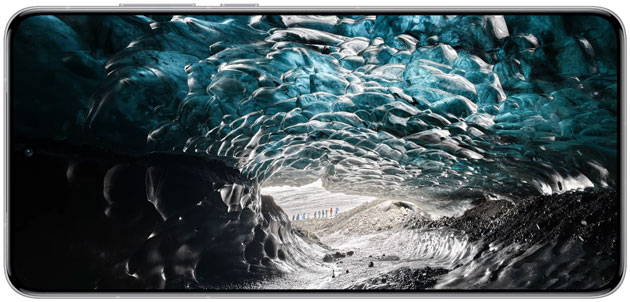
The edges are slightly curved, and the screen-to-body ratio is a high 93.3%. It’s protected by Gorilla Glass Armor, which reduces reflections by 75%, helping you see your subject clearly. Why didn’t they use Armor 2? To keep costs down. vivo balanced price and quality here.
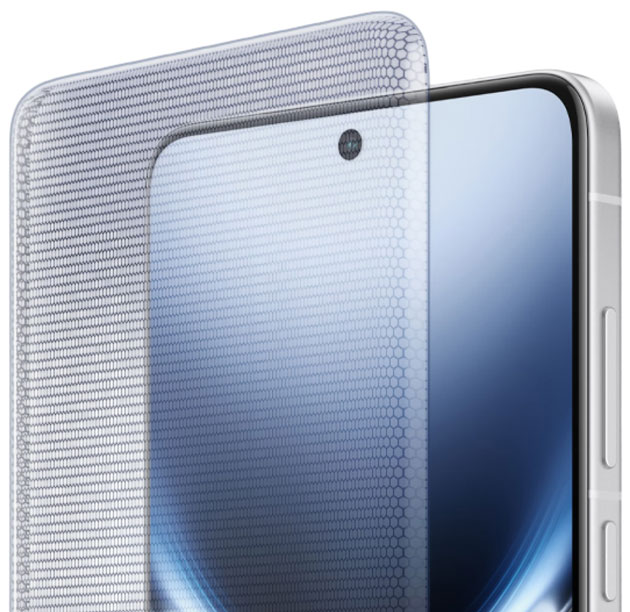
For audio, the stereo speakers provide great volume, bass, and separation.
Battery & Charging

To power the big screen and hardware, vivo bumped the X200 Ultra’s battery to 6000mAh. In my testing, it pushed through about 20 hours of use, roughly 25% longer than what I got from the Galaxy S25 Ultra.
When you do run low, the 90W fast charging hits 73% in just 30 minutes. And yes, it still has reverse wireless charging, so you can be the hero when your friend’s iPhone inevitably starts dying.
Performance

It has been a few months since I reviewed the Galaxy S25 Ultra as the first phone equipped with the amazing Snapdragon 8 Elite chip, and now, the vivo X200 Ultra is about the tenth device I’ve tested with this processor. If you’ve been following my reviews lately, you already know that devices powered by Qualcomm’s latest chipset offer brilliant processing performance and reliable battery life, thanks to their advanced architecture and optimized design.

Whether you’re fine with the 256GB/12GB base model or need that massive 1TB/16GB beast, the X200 Ultra has you covered. With LPDDR5x RAM and UFS 4.1 storage, the whole experience is incredibly snappy and fluid.
OS & Updates

The vivo X200 Ultra runs OriginOS 5 based on Android 15. It’s smooth, fast in daily use, and the best part? You get 4 years of OS updates and 5 years of security patches.
What’s in the Box?
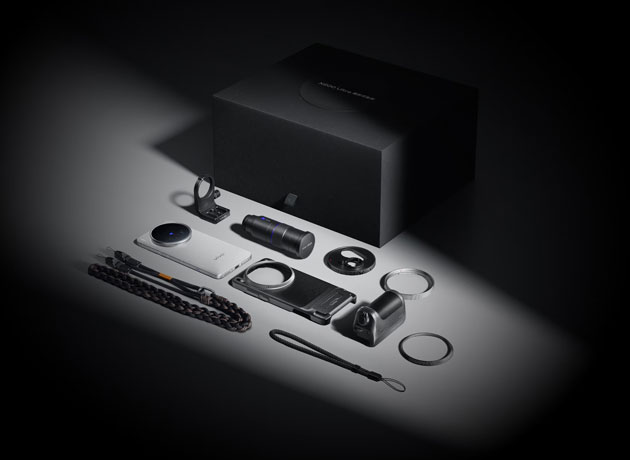
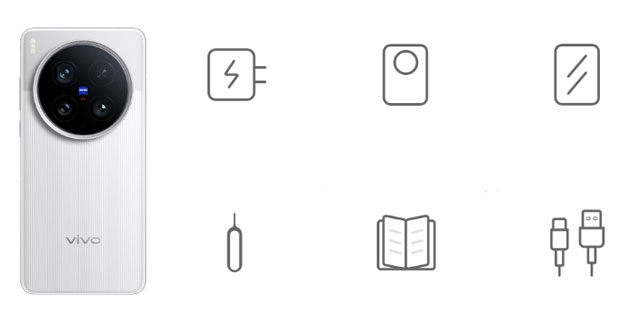
Unlike most big-name flagships these days, vivo actually gives you the full works right out of the box. Inside that square cardboard case, you’ll find the X200 Ultra itself, a charger (yes, a real one!), a USB-C cable, the SIM tool, and even a protective case. It’s the whole deal. Not having to drop extra cash on accessories is a total win in my book, especially for a phone in this range.