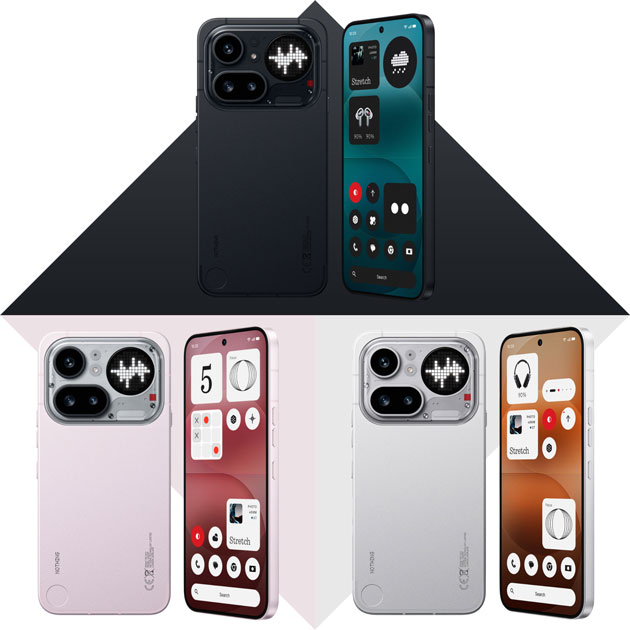
Today, I got my hands on one of the most unique and eccentric phones on the market: the Nothing Phone (4a) Pro. Nothing has always stirred up a lot of hype with its transparent designs and signature Glyph lights, but this time around, it’s shaking things up with a unibody aluminum build.

I’ve spent a ton of time testing every single aspect of this phone, from the build quality, the 144Hz display, the Snapdragon 7 Gen 4 chip, all the way to its cameras and stellar battery life. I even stacked it up against its main competitors. So, let’s dive in and see if this phone is actually worth your cash or if it’s just a total waste of money.
Design

Nothing is famous for its busy, detail-packed designs, but with the Phone (4a) Pro, it feels like they decided to tone things down and clean up the back panel. The biggest twist here is the aluminum unibody construction, which is a rare sight in phones these days. The side frame and the back panel are completely seamless and match in color, giving the phone an incredibly solid and sturdy feel in the hand.
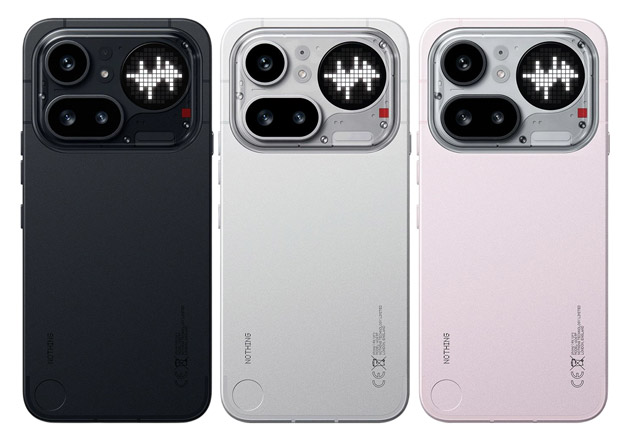
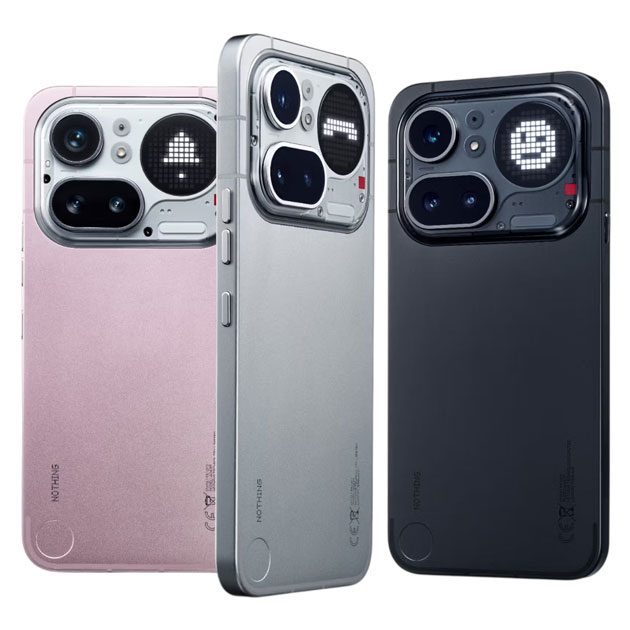
Nothing claims this model is 42% more resistant to bending compared to the Phone (3a) Pro. You can get the Phone (4a) Pro in three colors: Black, Silver, and Pink. It weighs 210 grams and comes in at under 8mm thick (7.9mm), making it impressively slim and comfortable to hold for an all-aluminum device. On the downside, it only has an IP65 water resistance rating. While it handles splashes perfectly fine, it falls short of the IP68 rating that most rivals offer now, even though Nothing says it can survive being submerged up to 25 centimeters deep for 20 minutes.

I should mention that it’s not all aluminum everywhere. First off, there is a plastic strip running right around the screen, meaning the display panel doesn’t sit directly inside the metal frame. Personally, this feels a bit cheap to me, and you definitely don’t see this kind of shortcut on true flagship phones.
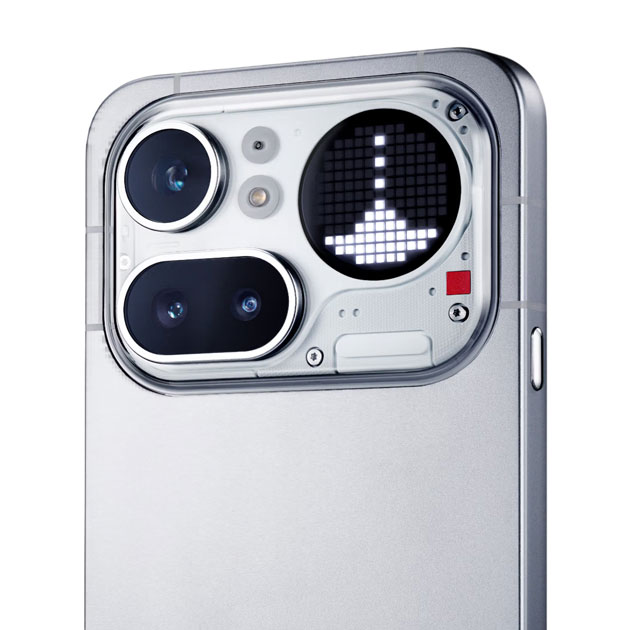
Another thing is that the most iconic part of the design on the back is actually made of plastic. I am talking about that clear, rectangular camera bump that houses the new Glyph Matrix lights, the rear cameras, and that cool Nothing branding. Nothing says they made this bump using nano-injection molding, making it twice as scratch-resistant as the Nothing Phone 2a. However, early users are already reporting that it scratches up pretty easily, so you’ll want to baby that specific area if you buy this phone.
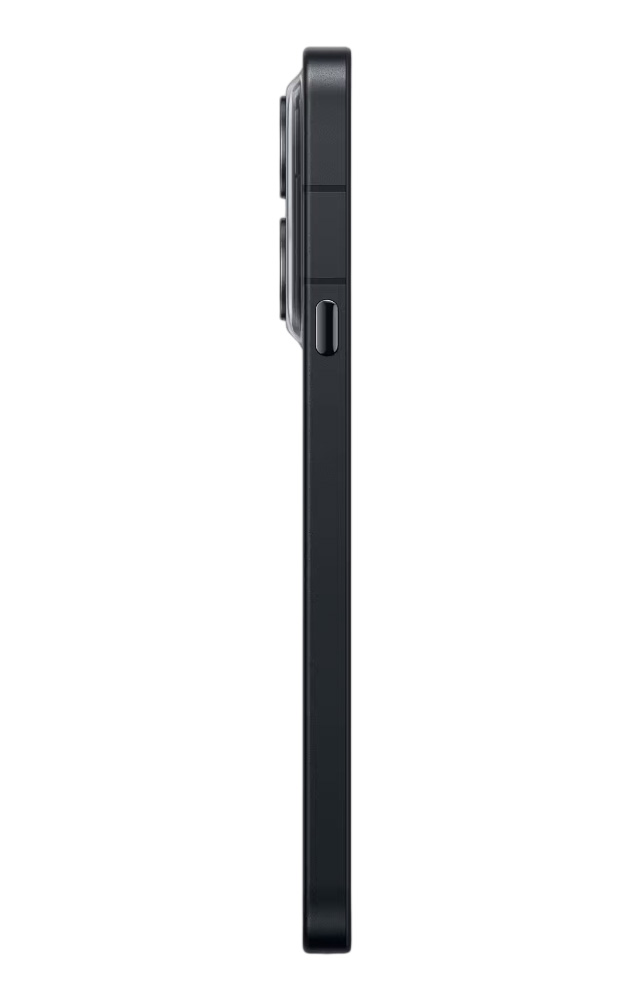
There is also a design choice that really bugs me: the button on the left frame, which Nothing calls the Essential Key. Unlike the volume and power buttons, this one protrudes quite a bit and feels totally out of place. It’s placed right where your hand naturally rests, so you’ll probably find yourself accidentally pressing it all the time.
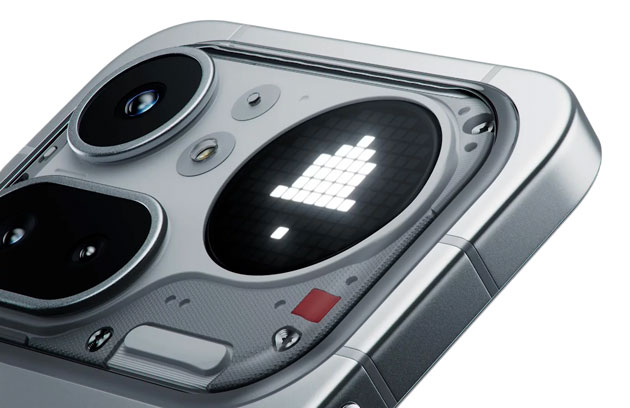
Now, let us talk about the Glyph Matrix. The lighting setup on the Nothing Phone (4a) Pro looks similar to the Nothing Phone 3, but they actually cut down the total number of LEDs to 137. To make up for it, these individual LEDs are 57% larger and twice as bright, peaking at a crazy 3000 nits. When they light up, those big pixels look absolutely stunning and really catch your eye.
You can use these lights as a camera timer, a volume indicator, or even a progress bar for apps like Uber. There is a ton of customization available, giving you plenty of cool ways to interact with them.
Display and Audio
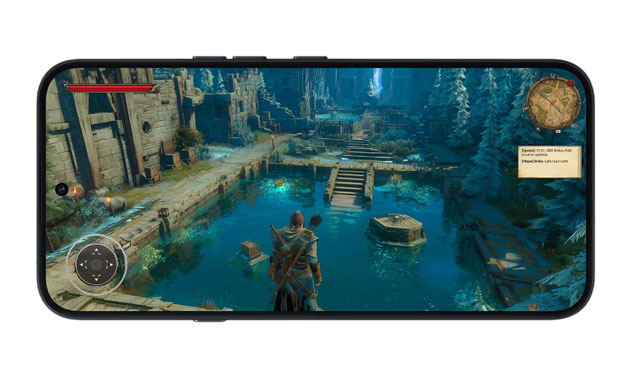
Moving over to the front, Nothing packed a 6.83-inch OLED panel here, protected by Gorilla Glass 7i, which isn’t the toughest glass out there but gets the job done. The bezels are perfectly symmetrical and look great, with no awkward sensors eating into the screen space. The optical fingerprint scanner is baked right under the display, and it’s incredibly fast and reliable.
This screen rocks a 144Hz refresh rate, which is a nice step up from the 120Hz on the standard version. That said, during everyday tasks, it mostly locks itself at 120Hz unless you’re playing specific games that can actually hit that frame rate on this mid-range chip.
The panel resolution is 1.5K, so everything looks incredibly sharp and crisp. Plus, unlike Samsung‘s flagships, this Nothing’s premium mid-ranger uses a true 10-bit panel that can display over a billion colors. It supports HDR10+ content, though you won’t find Dolby Vision here.
The colors on this panel are gorgeous, fully covering the DCI-P3 color gamut. In fact, its color accuracy is technically better than the Galaxy S26 Ultra. But where this screen drops the ball is raw brightness. Nothing claims it can hit 5000 nits, but in my real-world testing, I couldn’t get it past roughly 1500 nits. Mind you, that number was only achieved under direct sunlight while playing an HDR video. I am not sure what kind of laboratory conditions Nothing used to reach that 5000-nit claim. Maybe it was just a peak burst for a fraction of a second, or maybe there’s a software bug preventing the screen from unleashing its full potential.
On the bright side, the minimum brightness drops all the way down to 1 nit. Because the display uses an ultra-high 2160Hz PWM dimming frequency, you won’t notice any annoying screen flicker in the dark, making it super easy on your eyes at night.
For audio, the Nothing Phone (4a) Pro features stereo speakers that get noticeably louder than competitors like the Galaxy S25 FE. But just like those rivals, the bass lacks that deep, punchy kick. Fortunately, the overall sound profile is clean and well-balanced, handling mid-tones beautifully.
Performance
Even though it has “Pro” slapped onto the name, the Nothing Phone (4a) Pro uses the Snapdragon 7 Gen 4. It’s a solid, capable mid-range chip, but it’s nowhere near true flagship performance. To give you some context, the CPU is up to 40% slower than the Galaxy S25 FE in daily use, and its graphics power is basically cut in half compared to that phone.
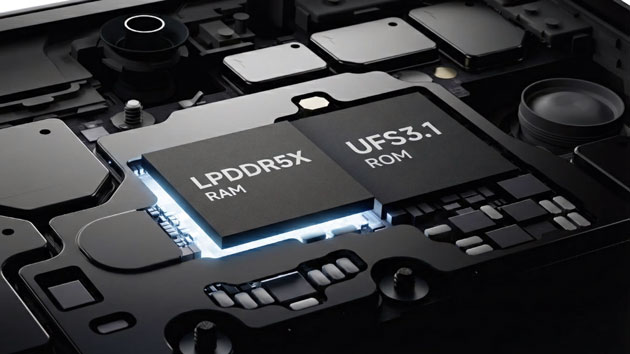
Nothing offers this device in three configurations, featuring either 8GB or 12GB of LPDDR5x RAM, paired with 128GB or 256GB of UFS 3.1 storage. I’ve the 12GB RAM and 256GB storage variant for this review, and in my speed tests, the storage read speeds maxed out at a respectable 1.7 gigabytes per second.
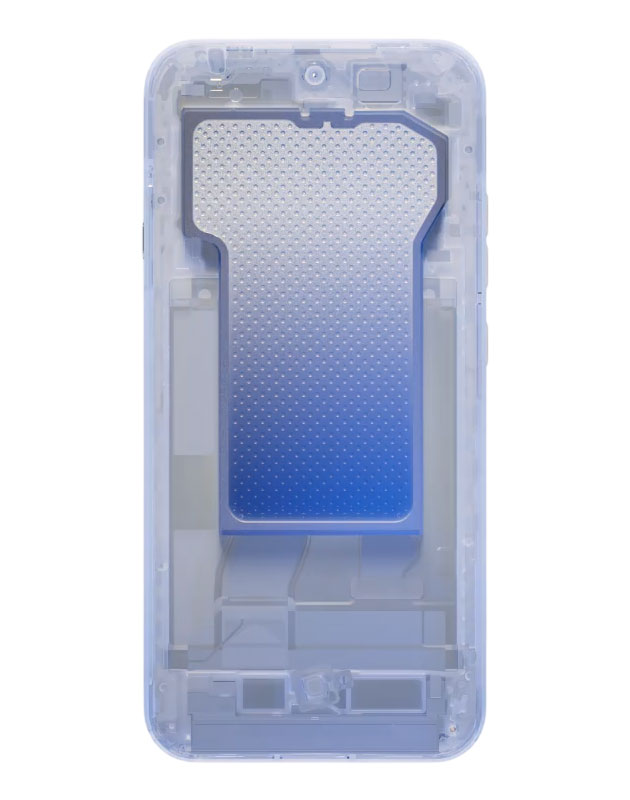
Another great thing about the Nothing Phone (4a) Pro is how impressively cool it stays, thanks to its massive vapor chamber cooling system. Even during heavy gaming sessions or intense CPU workloads, the phone doesn’t overheat or throttle, so you can count on rock-solid sustained performance.
Battery and Charging
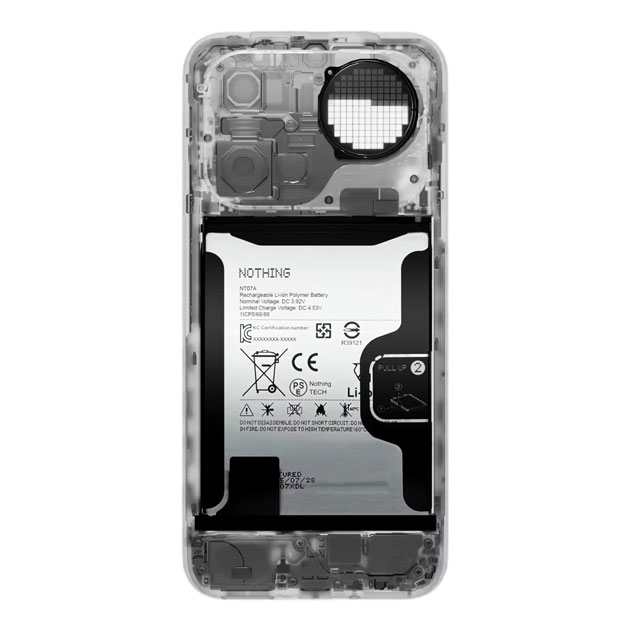
The battery life is easily one of the areas where this phone absolutely shines. The global version of the Nothing Phone (4a) Pro comes with a 5080mAh battery, though the Indian variant gets an even larger 5400mAh cell.
In my battery endurance tests, this phone performed beautifully. I managed to get an incredible 19 hours of runtime with mixed everyday usage, which is one of the best results I’ve seen on any Android device lately. It’s a video playback champion too, lasting a whopping 25 hours of continuous movie watching.
The phone supports Power Delivery fast charging up to 50W. It doesn’t come with a charger in the box, so you’ll need to supply your own adapter. Going from zero to a full charge takes just over an hour. While that isn’t terrible, there’re definitely competitors in this price bracket that charge much faster.
Camera
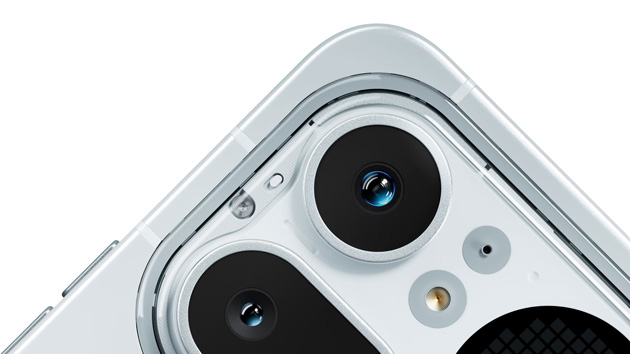
Let’s Talk about the cameras. Around the back, you get a triple-camera setup consisting of a 50MP main sensor with an f/1.9 aperture, a 50MP telephoto lens with an f/2.9 aperture and 3.5x optical zoom, and an 8MP ultrawide lens with an f/2.2 aperture. Up front, you get a 32MP selfie camera with an f/2.2 aperture.
The main sensor is roughly the same physical size as the one inside the Galaxy S25 FE, but it lets in about 10% less light. On the flip side, the telephoto sensor is massive, measuring nearly two and a half times larger than the 8MP telephoto on the S25 FE, even though its narrower lens aperture means it absorbs about 30% less light. The ultrawide camera is definitely the weak link here and is pretty underwhelming overall.

In broad daylight, the main camera takes fantastic shots with excellent dynamic range, and it preserves natural skin tones beautifully in portrait mode. However, the real star of the show is that 3.5x telephoto lens. It captures incredibly sharp, detailed images, and you can even push the zoom level up to 7x without seeing a major drop in quality.
When the sun goes down, the main camera still holds its own, pulling out plenty of detail despite the mid-range hardware. Unfortunately, the other lenses do not perform nearly as well in low light.
As I expected, the video capabilities are nothing to write home about. Video recording tops out at 4K at 30fps on both the main and telephoto lenses. The footage looks a bit soft to my eyes, and I feel like the videos are a little shaky.