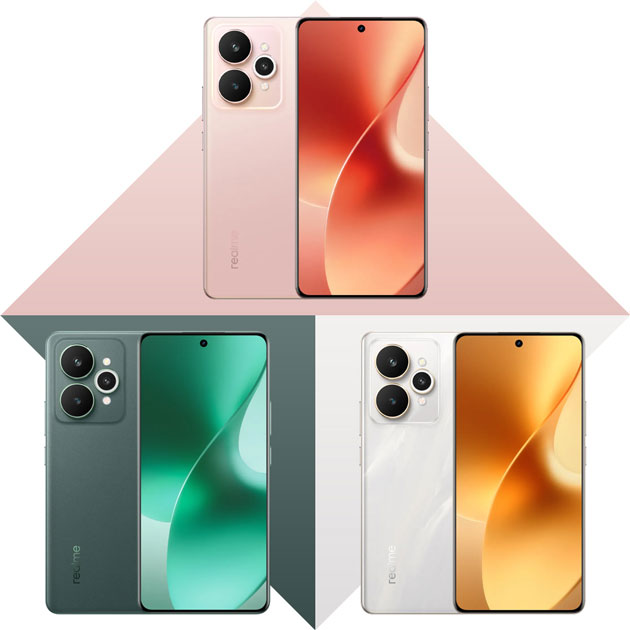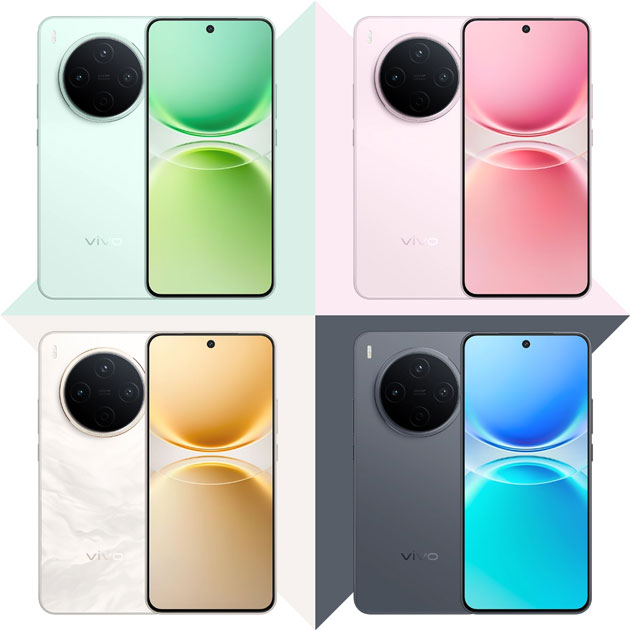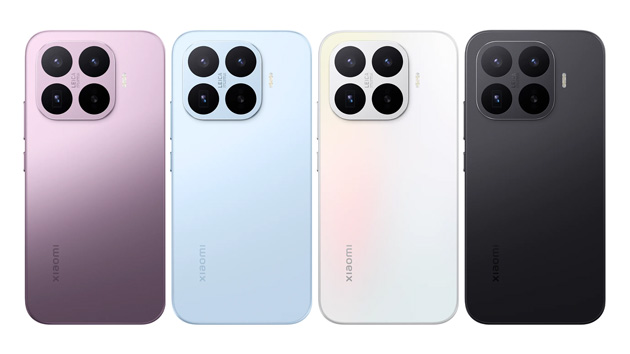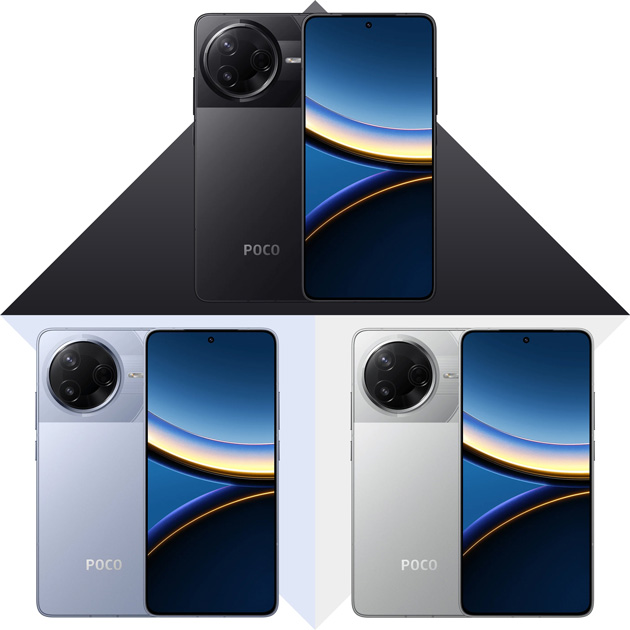
Today I’m going to review the Poco F7 Pro, which is a phone you can either love or hate! This phone is genuinely ugly compared to the Poco F7. I don’t know why anyone would ditch that beautiful F7 design to come to this F7 Pro.
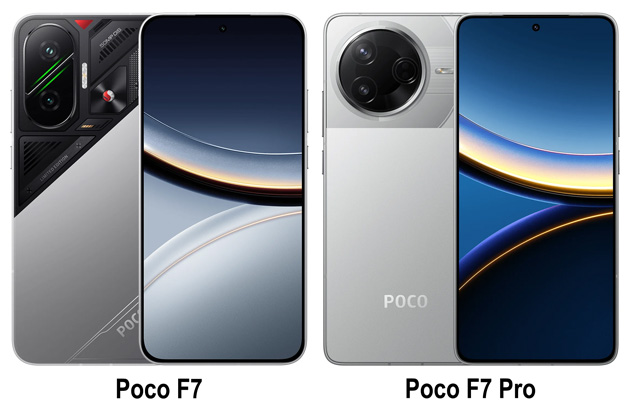
I mean what is this, it’s honestly the most identity lacking design a phone could possibly have. I don’t know why Poco does this to us. The Poco F7 is designed so beautifully that anyone who sees it really enjoys it, and then when you look at this Poco F7 Pro it totally kills your vibe! It’s a huge fingerprint magnet and it’s designed in a way that I don’t even want to talk about. I truly think it’s just ugly.
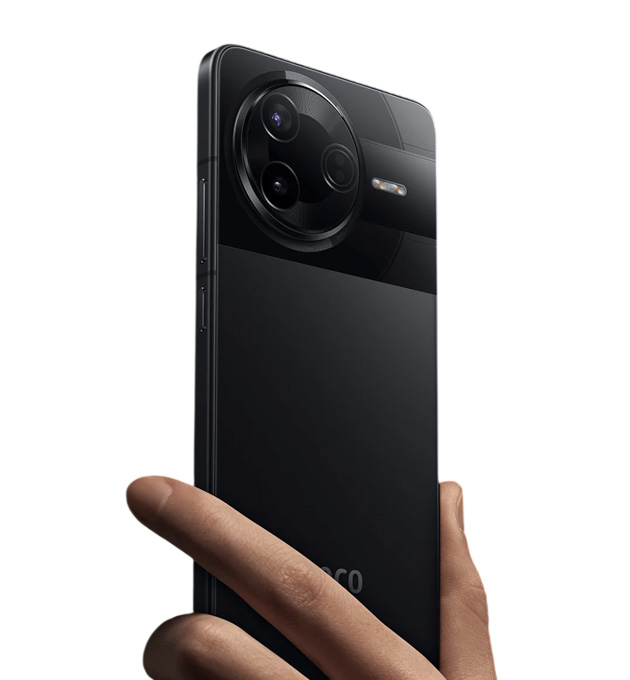
The frame is aluminum and at the bottom of the phone you will find the Type C port, SIM tray, speaker, and microphone. On the right side we have the power button and volume rockers, at the top there is just a microphone, and on the left side there is absolutely nothing.
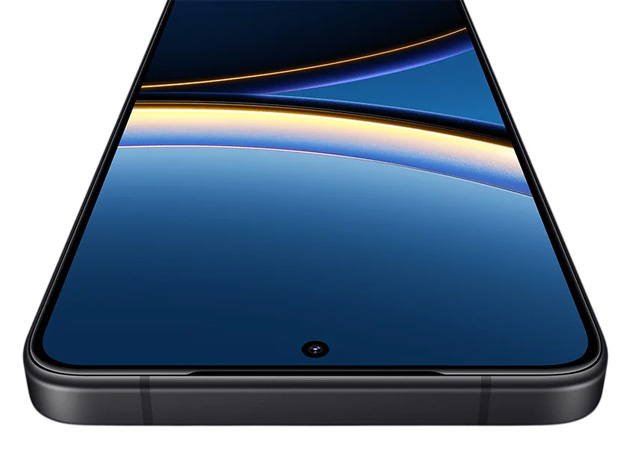
The front panel is the most ridiculous panel you will ever see! The bezels on the left and right are actually thicker than the ones on the top and bottom. We’ve seen phones before with thick top or bottom bezels, but this is the first time I’m seeing a phone where the top and bottom bezels are thinner than the sides. Why?
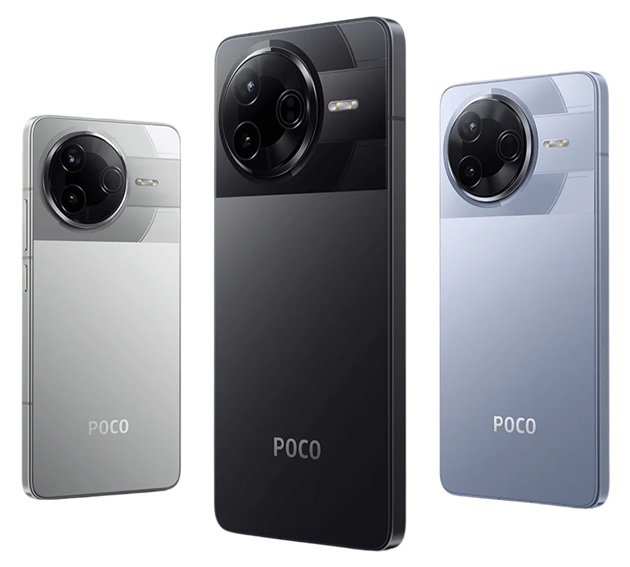
The screen to body ratio of the Poco F7 Pro is 89% and the selfie camera sits inside a punch hole. It has an IP68 rating and you can get it in three colors: black, silver, and blue. In my opinion, the build materials are good, but the design is much weaker than the Poco F7.
Display & Audio
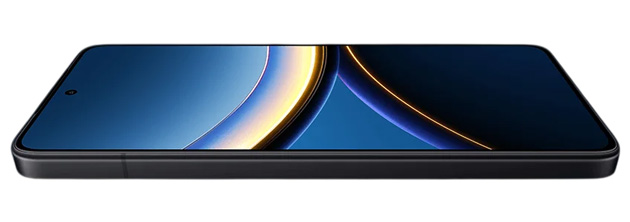
This phone has the same display as the standard model but with a higher resolution. The Poco F7 Pro has a 6.67 inch AMOLED panel which is 120Hz but isn’t LTPO. That means it switches between 60 and 120Hz and doesn’t drop all the way down from 1 to 120Hz. The quality is good, it’s just those bezels that really get on your nerves.
The fingerprint sensor is under the display, it’s fast, and its placement is a bit higher than the Poco F7, which actually makes it better since it’s easier to reach.
When I tested the F7 Pro’s speakers, I found that they are much better than the F7 in terms of volume and sound separation.
Battery & Charger
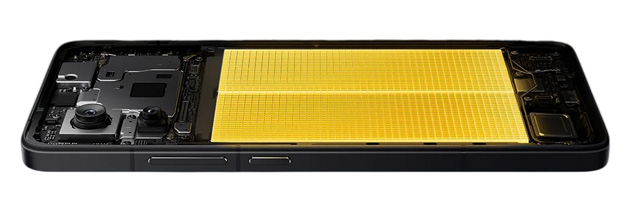
The Poco F7 Pro battery is 6000mAh while the Poco F7 battery is 6500mAh. This gives you close to 9 hours of screen time, which is almost 2 hours less screen time than the cheaper standard model.
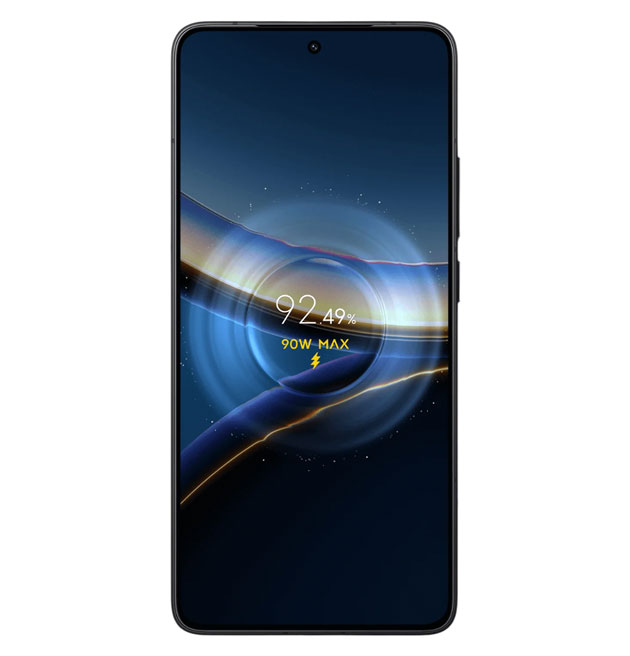
There’s a 90W adapter inside the box that fully charges the phone in about 35 minutes. Its battery performance is good, but the Poco F7 was simply better.
Camera
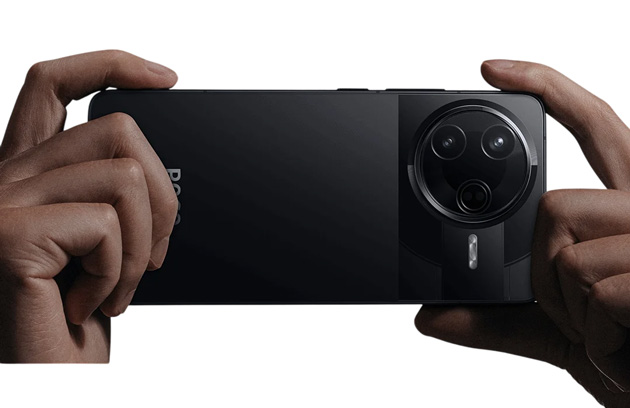
On the back of the Poco F7 Pro, there is a 50MP main sensor, an 8MP ultrawide sensor, and another sensor for detecting ambient light and colors.

The photos taken by the main camera are good, showing nice details, white balance, and brightness. The ultra wide camera photos only look good at first glance and then they kind of fall apart.

Thanks to its processor, this phone can shoot 8K video at 24fps. You can’t do this on the ultra wide, so only the main sensor can shoot in 8K. The videos it captures are actually pretty good.

The 20MP selfie sensor takes photos that don’t have a ton of detail, but the white balance and dynamic range are okay.

Overall, the camera package on the Poco F7 Pro is pretty average, and as you guys know, Poco phones never really claim to be camera phones. That’s exactly why if the camera is your main priority, you should skip this and go buy a Galaxy S25 FE or an Honor 400 Pro instead.
Processor

Poco uses the Snapdragon 8 Gen 3 chip, which is the exact same processor found in the Galaxy S24 series and many other 2024 flagships. It feels completely smooth running through the user interface.
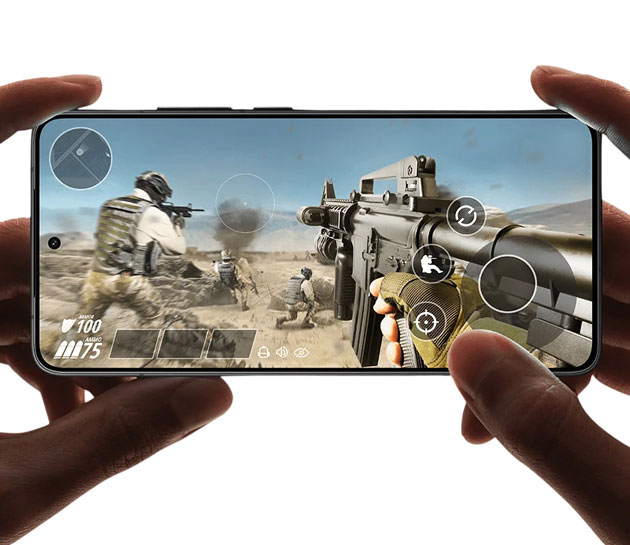
You can pick this phone up in two configurations: 12GB plus 256GB or 12GB plus 512GB. One thing I definitely need to point out is that the Type C port on this phone is USB 2.0, while the Galaxy S25 FE, which is its direct rival, rocks USB Type C 3.2. That means you’re going to suffer a bit when transferring data.