When you get your hands on the Honor 400 Pro, you can’t really tell if you’re holding a mid-range phone or a flagship. That’s because its in-hand feel, screen quality, cameras, massive battery, powerful chipset, and even its design all feel high-end. So, stick with me as we review the 400 Pro, one of the best phones on the market.
Design & Build Quality
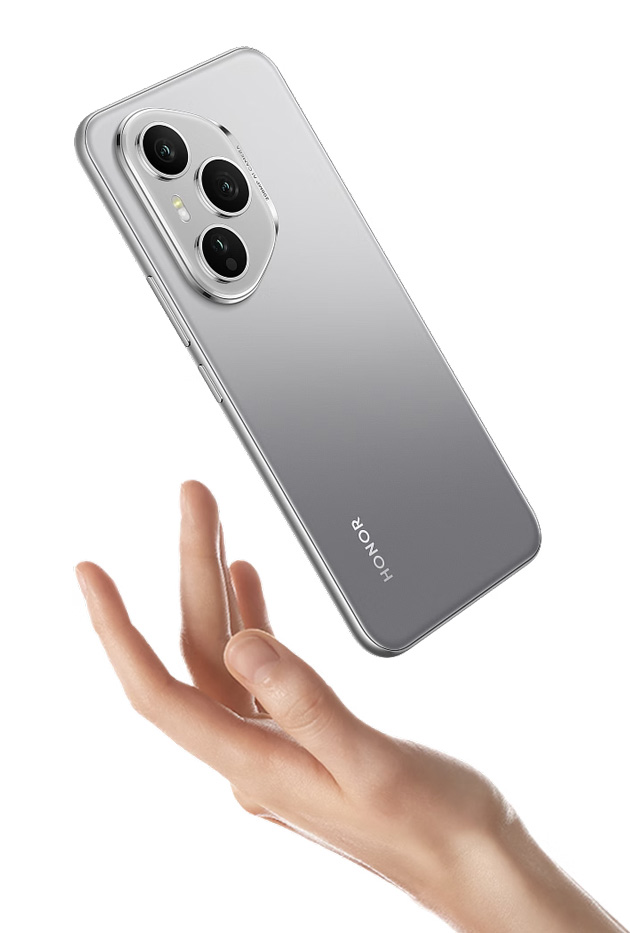
The Honor 400 Pro is one of those phones that gives you a special feeling the moment you pick it up. It’s not merely because it’s comfortable to hold, but rather due to the incredible attention to detail in its design.
The design is so distinctly Honor that even if you covered the logo, you could probably still guess who made it. Everything about this phone is soft, rounded, and harmonious, from the back panel to the frame and the curved edges. These subtle curves make the phone feel like it’s perfectly matched to the shape of your hand, which is a really pleasant experience.
What’s interesting is that the frame is plastic, but everything is so well-designed and precise that it doesn’t feel cheap or low-quality at all. Instead, right from the start, you feel like you’re dealing with a luxurious, well-built phone where the details matter.

On the back panel, the camera island really catches your eye with its beautiful design. The cameras have a three-step protrusion, and I’d say it’s quite significant. But Honor has designed it so skillfully that you barely notice the bump. Its placement is also great, so it never gets in your way.
The back panel is glass with a matte finish, which means it shows fewer fingerprints and smudges. On the downside, it’s a bit slippery, so it might slide out of your hand without a case. The cover has a slight curve on all four sides, helping the 400 Pro fit snugly in your hand.
As I mentioned, the frame is plastic, but it’s very sturdy and doesn’t give off a budget vibe in the slightest. Its curved design, combined with the curved back panel, makes the phone much more comfortable to hold.
There’s nothing on the left side of the frame. On the right, you’ll find the power and volume buttons, which are well-placed. Even if you’re left-handed like me, you can easily reach them with one hand. At the bottom, there’s a speaker, a Type-C port, the SIM tray, and a microphone. Up top, there’s another microphone, a second speaker, and an IR blaster.
On the front, Honor used 2.5D protective glass. It’s not so flat that swiping is difficult, and not so curved that you’ll have trouble applying a screen protector. The glass isn’t from Corning, but it has a five-star rating from the SGS institute, which means it’s as durable as modern Gorilla Glass. At the top, there’s a pill-shaped cutout housing the selfie camera and a depth sensor. Since this notch has an Apple-like style, Honor has implemented all of Apple’s Dynamic Island animations here. Above this cutout, there’s a slit for the earpiece.
The fingerprint sensor is an optical type located under the display. Its placement is very low, which might be annoying for people with large hands, but its performance is flawless and fast. It unlocks the screen in a fraction of a second after you touch it. The proximity sensor is an ultrasonic type, which sounds impressive on paper, but I wasn’t happy with its performance. When you’re on a call while lying down, the sensor tends to struggle, failing to turn off the screen consistently.
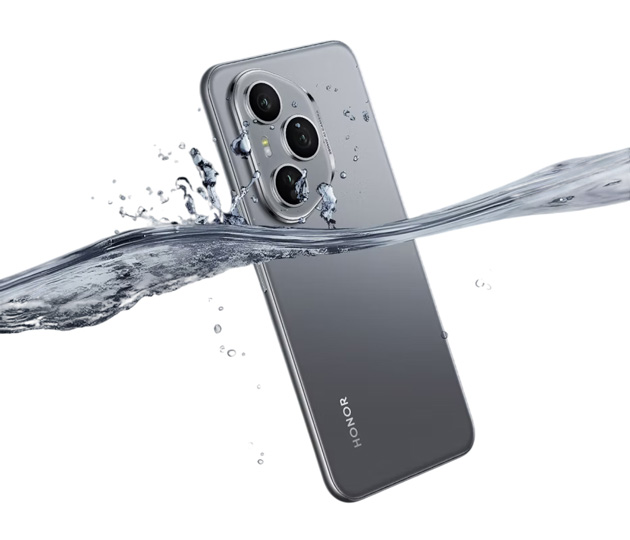
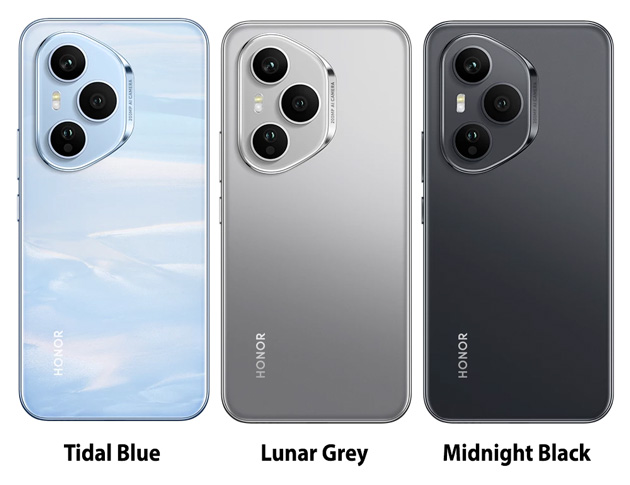
You can get the Honor 400 Pro in three colors: Midnight Black, Lunar Grey, and Tidal Blue. This phone is 8.1mm thick and weighs 205g. It has IP68 and IP69 ratings, meaning it’s resistant to dust, water immersion, high-pressure water jets, and high temperatures.
Honestly, guys, holding the Honor 400 Pro just feels fantastic, and I’m extremely satisfied with its design and build.
Camera
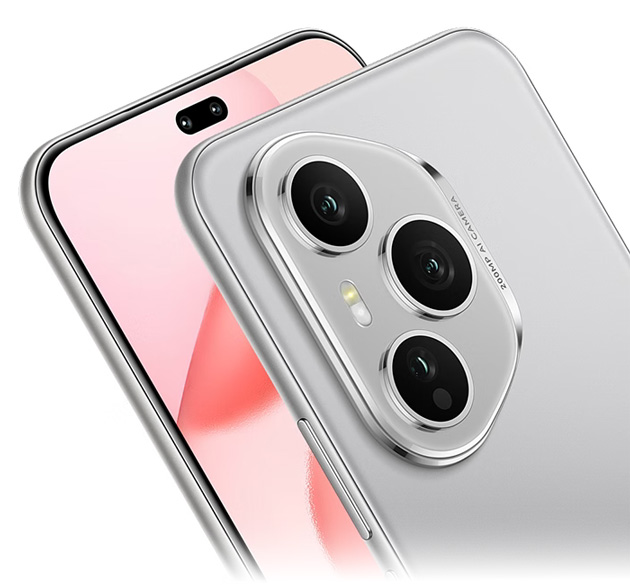
Alright, on the back of the 400 Pro, Honor has placed three cameras: a main, an ultrawide, and a standard telephoto.
The main camera uses a 200MP Samsung HP3 sensor. It has a 1/1.4-inch optical format, which means we’re dealing with a very large sensor. The lens has a 24mm focal length with an f/1.9 aperture. It uses PDAF for focusing and supports optical image stabilization.

So how are the photos and videos from this main camera? In daylight, the main camera is genuinely excellent and can compete with expensive flagships in every way. You can shoot in three different modes: Natural, Vivid, and Authentic. Vivid mode makes colors a bit more saturated and eye-catching, which some people like, but I personally use Natural mode more often because the colors are more realistic.

In all three modes, including normal, 2x zoom, and full resolution, the white balance is very accurate. The dynamic range is also great, with no clipping in bright or shadow areas, and the colors are incredibly natural and pleasing. When I cropped the images, I noticed a huge amount of detail, especially in 200MP mode. Textures are captured so precisely that it’s really hard to find any flaws in these photos. Honor really went all out here and tuned the 400 Pro’s camera to be on par with top-tier flagships.

At night, this same camera performs beyond expectations. Photos taken in low light are so detailed and precise that you don’t even feel like they were shot in poor lighting. It’s interesting that even when I shot in an environment with less light than a typical night scene, the camera still managed to deliver an excellent result. While the aperture isn’t extremely wide, thanks to its smart sensor behavior and processing algorithms, the photos have almost zero noise, accurate and vivid colors, flawless white balance, and impressive detail.

That was all in automatic mode. When you switch to Night mode or use manual settings, low light becomes irrelevant. In these modes, the camera can capture images that remain sharp and detailed even when you zoom in. The photos it takes are so good you’ll want to sit and stare at them for a few minutes.
Another important point is that the camera performs exceptionally well in manual mode, responding perfectly to your adjustments. This means it’s a complete tool for professional photographers too.

Thanks to its powerful 200MP sensor and its ability to capture detail, the main camera’s performance in portrait photography is truly impressive. It can capture portraits at 1x, 1.5x, and 2x that are on par with professional cameras in terms of quality, detail, and color. One of the most important aspects of portraits is natural skin tones, which are captured with incredible accuracy on this phone. The subject is beautifully separated from the background without looking artificial. The dynamic range is also top-notch, delivering a complete, attractive, and eye-pleasing portrait.

The videos this camera records are fantastic. The colors in its 4K videos are very natural, and the clarity is outstanding. The only issue, and it’s not very noticeable, is the dynamic range, which I think could be a little better. Focusing is very precise, even on small subjects, with no focus hunting. This quality continues at night. Apart from the same relative weakness in dynamic range, other parameters like clarity, color, and focus are excellent. The videos have almost no noise; Honor has done a great job controlling it.

Another cool feature is a night video mode that records at 1080p and 24fps. This mode makes night videos brighter than normal, but it slightly reduces the clarity and adds a bit of noise.
The stabilization performance in daylight is truly amazing. Even if you’re running, the image remains completely stable and smooth. At night, things are a bit different. The stabilizer becomes more sensitive and reacts more to hand movements. In this situation, you might see some image stretching or blur, though I should mention my test was done in a car on a bumpy road, which is one of the toughest tests for a stabilizer. Overall, if you can overlook the somewhat limited dynamic range, the video recording experience with the Honor 400 Pro’s main camera is really great.

Now for the ultrawide camera. Here, Honor used a 12MP sensor. It’s paired with a 16mm lens that has an f/2.2 aperture, like most ultrawides. This camera supports autofocus, which means it can also take macro shots for you.
Photos taken with the ultrawide camera in daylight can look a bit cool, meaning the white balance sometimes falters. This coolness isn’t super obvious, you’ll only notice it when you compare the photos side-by-side with the main camera’s output. The dynamic range in ultrawide shots is really excellent, even in tricky lighting. The colors, if you ignore that slight cool tint, have very good accuracy.
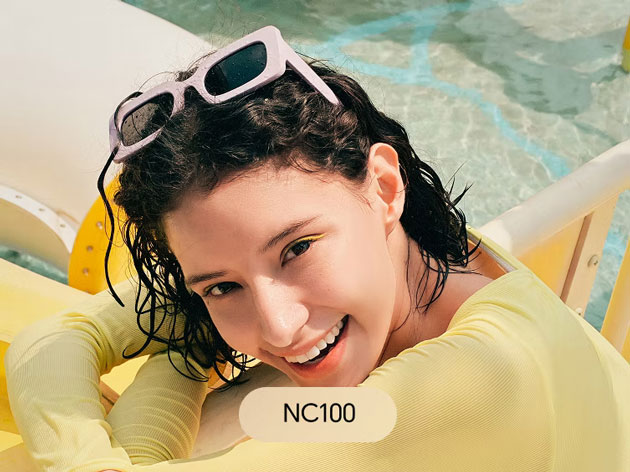
When I cropped the images from this camera, the level of detail it retained genuinely surprised me. This level of detail is truly professional for an ultrawide camera.
At night and in low light, the white balance gets better, the coolness problem largely disappears, and it becomes remarkably accurate. Colors become more natural, clarity is high, dynamic range remains excellent, and noise is well-controlled. Even after cropping the photos, a significant amount of detail remains.

An interesting thing about the ultrawide camera is that Night mode usually doesn’t make a noticeable difference unless the environment is very dark. On the other hand, the camera’s response to manual adjustments is fantastic. You’ll see the results of the slightest changes in manual settings immediately in the final image. The photos in this mode are so complete and balanced that it’s really hard to find fault with them. The colors are great, details are preserved, and noise is well-managed.

The ultrawide camera can shoot 4K video. Videos recorded in this quality have incredibly accurate colors and fantastic clarity, the kind you’d only find on top-tier flagships. The dynamic range could be a bit better, but it’s not enough to negatively impact the user experience.
At night or in low light, almost all factors remain excellent except for clarity and dynamic range. The reason is obvious: the processing algorithm kicks in to remove noise, which causes those two factors to drop a bit. I should note that the environment I tested in had very little light. Still, overall, the ultrawide’s output at night isn’t much different from the main camera, and this phone’s ultrawide is a level above many of its mid-range competitors.

For the telephoto camera, Honor used a 50MP Sony IMX856 sensor, which they say has been customized to their specifications. The lens has a 68mm focal length, which gives you 3x lossless zoom. Its aperture is f/2.4. It uses PDAF for focusing and supports optical image stabilization.
The photos taken with the Honor 400 Pro’s telephoto camera are seriously impressive and eye-catching. The color accuracy and white balance are top-notch, so precise that their resemblance to reality is tangible. The dynamic range is also fantastic, with no clipping or loss of detail in the bright and dark parts of the image.

When I cropped these photos, the level of detail that remained was truly commendable. The telephoto camera captures and processes so much raw data that even at 6x zoom, you can still crop the photo and get a detailed, sharp result.
This quality is maintained at night. Color accuracy, white balance, and dynamic range remain excellent. What’s interesting is that despite the relatively small aperture, the photos from this camera in automatic mode are very clean and almost noise-free, on par with the main camera. Night mode only activates in very challenging lighting conditions; otherwise, the automatic shots are so good they don’t need any correction.
In terms of manual control, this camera’s performance is outstanding. The output changes instantly with the slightest adjustment, which is exactly what professional photographers look for.

Portrait photos taken with the telephoto camera are truly professional-grade. The quality is so high that if you didn’t see the photo’s specs, you might think it was taken with a DSLR. All factors are flawless: colors are completely natural and accurate, white balance is perfectly set, and the subject is separated from the background with incredible precision, down to individual strands of hair. The dynamic range is also at the highest level, with no blown-out highlights or crushed shadows anywhere in the image. Overall, the portrait experience with this telephoto camera is clearly professional and stunning.
The only small weakness of the 4K videos recorded with the telephoto camera is a slightly weaker-than-ideal dynamic range. But besides that, all other factors are nearly perfect. The level of detail in the video is superb, colors and white balance are captured naturally, and the final output feels very realistic.

This quality is maintained in low light conditions. The colors remain natural, brightness is well-controlled, and there’s little noise. Just know that the sharpness drops a bit at night, which is understandable and mostly due to the noise reduction process.
The telephoto camera’s stabilization is really good in daylight. Whether you’re standing still or walking, the image is captured smoothly and without shake. Even if you walk quickly, almost at a running pace, you’ll only see minor shakes that aren’t very distracting. But at night, it’s a different story. The stabilizer becomes more sensitive, and the slightest hand movement can cause slight stretching in the image, though it usually corrects itself quickly. Overall, I’d say the stabilization isn’t as reliable at night as it is during the day, so it’s best not to have high expectations for it in the dark.

But the selfie camera is where this phone really shines. Honor has used a 50MP sensor on the front, and next to it, there’s a 2MP depth sensor to help you take great portrait shots. The main selfie camera has a 21mm lens with a very good f/2.0 aperture.

The photos taken with the Honor 400 Pro’s selfie camera are absolutely amazing. The colors are completely natural, the white balance is accurate and flawless, and the dynamic range is perfect. The level of detail in the images is outstanding, and it’s really impossible to find any faults. This quality holds up even in low light or at night. The selfie camera captures light and detail so well that you don’t even feel like you’ve taken a photo in poor lighting conditions.

The 4K videos you shoot with the selfie camera are fantastic in every respect, whether it’s color, exposure, clarity, or even dynamic range. It’s like you’re filming with a professional camera. Overall, this phone’s selfie camera is definitely one of the best in its price range. If selfies are important to you, know that this will perform beyond your expectations.
Display & Audio
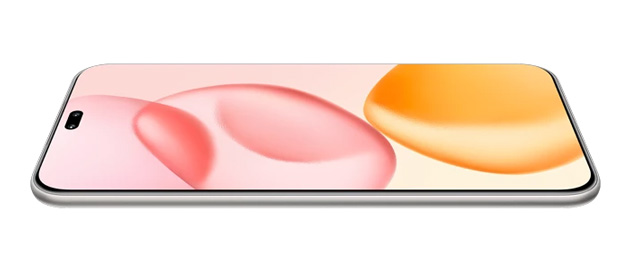
Honor packed the 400 Pro with a 6.7-inch AMOLED panel that’s got a 120Hz refresh rate, supports the HDR Vivid standard, packs in 460ppi, and claims to reach a peak brightness of 5000 nits. Those are the specs, but let’s see how it performs in the real world.
The phone’s color settings have two default modes: Normal and Vivid. There are also other options that let you adjust the color temperature to be warmer or cooler.
To test color accuracy, I set the screen to Normal mode with the default color temperature. In this mode, the display performed really well on the RGB scale.
Now, let’s talk about the refresh rate. The 400 Pro’s display doesn’t use LTPO technology. Because of this, you shouldn’t expect the refresh rate to change instantly and intelligently in every situation. The rate usually switches between 60, 90, and 120Hz depending on what you’re doing. In most apps you install, the refresh rate settles at 90Hz. That’s not so high that it drains the battery, but not so low that it feels sluggish. When watching videos, the refresh rate drops to a logical 60Hz, since most videos we watch are 60fps.
When you’re navigating the UI, it usually stays at 120Hz to keep everything feeling smooth and fast. When you lift your finger off the screen, It drops back to 60Hz after a few seconds, through this transition can occasionally be delayed or inconsistent. Overall, the 400 Pro’s screen spends most of its time at 90Hz, which helps control battery consumption while still providing a smooth user experience.
Next up is brightness. I tested this phone’s brightness in four scenarios. In the first, I turned off the ambient light sensor, played SDR content, and turned the brightness all the way up. The screen hit 598 nits. Under the same conditions with HDR content, the brightness jumped to 1441 nits.
But when I turned the ambient light sensor on and stood under direct sunlight, the brightness for SDR content reached 1369 nits, and for HDR content, it hit 1455 nits, which is excellent. Overall, the Honor 400 Pro has a very bright screen, and you can easily see everything on it with high clarity even in bright sunlight.
The screen uses PWM for brightness control, which Honor claims has a frequency of 3840Hz. In my review, I noticed that the flicker it produces is super minimal and faint, which means the panel has a very high frequency. It won’t cause eye strain or fatigue at all, even if you have sensitive eyes.
In my opinion, the Honor 400 Pro’s display is top-tier in terms of quality. It can easily compete with flagships and even has a better screen than some of them.
As I mentioned in the design section, there’s one main speaker at the bottom and another one at the top. The top one is very loud, and when you turn the volume all the way up, a 200% High Volume mode activates. The sound clarity is excellent, and musical notes are very distinct. The speakers’ performance in low frequencies, meaning the bass, isn’t that great. It has bass, don’t get me wrong, but it doesn’t have that deep punch you’d really love. I’d say it has good speakers, but they aren’t the best in their class.
Battery & Charger
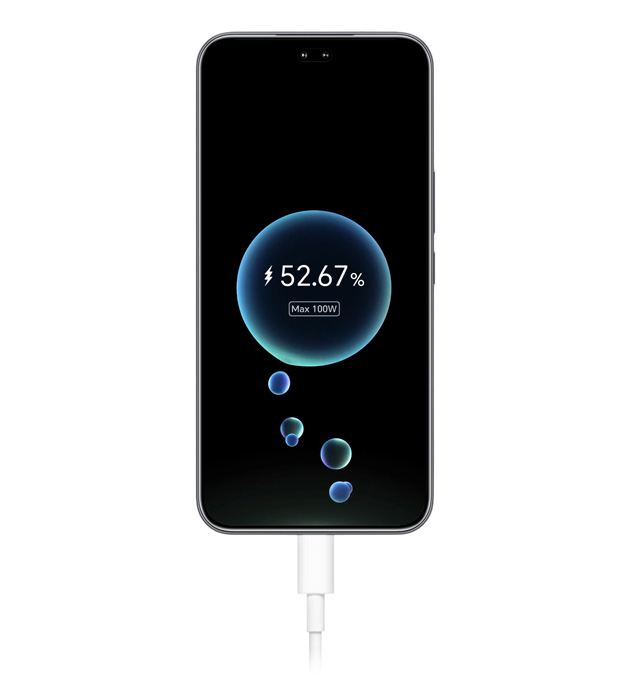
The Honor 400 Pro has a massive 6000mAh silicon-carbon battery. In my 3-hour semi-heavy usage test, one hour of Call of Duty used 14%, an hour of YouTube used 6%, and an hour of web browsing used 5%, for a total drain of 25%. If the screen had LTPO, it would have used even less battery, but even so, you can easily count on it for a full day of semi-heavy use, and maybe even more.
Honor also includes a 100W charger in the box. In boost mode, it charged the phone to 70% in 30 minutes and 100% in 50 minutes, which is excellent for a 6000mAh battery.
Performance

Honor did a great job here, putting the Snapdragon 8 Gen 3 chip inside the 400 Pro. I don’t think I need to tell you how powerful that is.
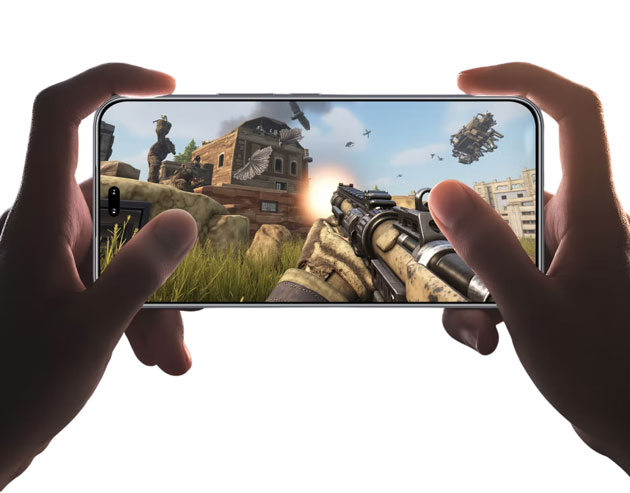
It’s incredibly fast in daily use. But how does it perform in games? Fantastic. I played Call of Duty and Delta Force for an hour each at 90fps. Running these games was a piece of cake for this phone, and it can handle any game you throw at it with ease.
You can get the 400 Pro in two versions: 256GB or 512GB of storage with 12GB of RAM.