When you look at the Xiaomi 15 Ultra, you feel like it hasn’t come just to compete, it’s here to finish the game. But can this Xiaomi giant actually prove this bold claim, or is it only terrifying on paper? In this review, we’re going to put everything under the microscope, from that camera module to its processing power.
Design

Imposing, solid, and magnificent. These are titles you can’t help but give to the 15 Ultra, even if you are a Xiaomi critic. It seems like Xiaomi has solidified this design style for its flagship Ultras after the 14 Ultra, and I’m happy about it because this design language screams luxury and exclusivity from the very first seconds.
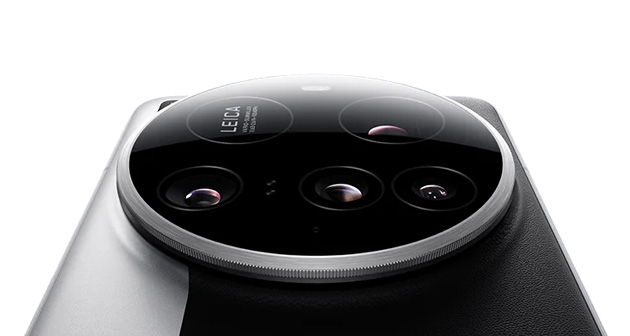
On the back panel of the Xiaomi 15 Ultra, the first thing that catches your eye is the massive camera island and the asymmetrical arrangement of its cameras. The huge size and protrusion of the camera island are somewhat understandable. You tell yourself that it’s a flagship phone, so its camera must be really awesome. But I wish they’d done something about the unbalanced look of the cameras. Though, I think the camera layout’s gotten better for the Xiaomi 17 Ultra that was released this year.
Since the phone itself isn’t huge but the camera island’s surface area is, it constantly gets in your way, and you can’t really use it as a resting point to hold the phone. I’d say it feels a lot like holding the vivo X300 Ultra.
Because the glass over the camera is prone to scratches and damage due to the bump, Xiaomi used Gorilla Glass 7i to give you some peace of mind.
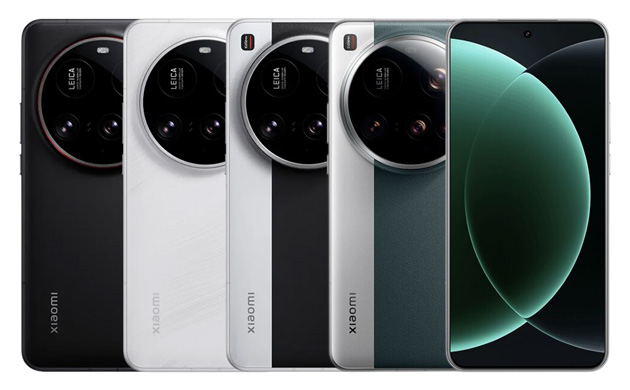
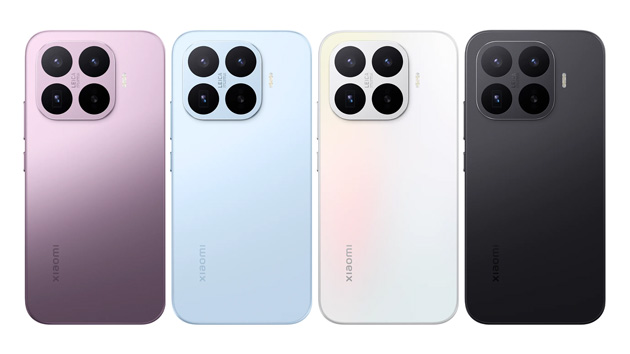
You can get the Xiaomi 15 Ultra in four colors: Black, White, Silver Chrome, and Green, all with a matte finish that doesn’t show fingerprints much. It’s 9.4mm thick and weighs between 226 and 229g depending on the version you pick. The frame and internal structure are made of aluminum. This frame is flat on the outside, giving a luxurious vibe, and its edges are slightly chamfered and softened. When combined with the slight curve of the back panel, it feels really good in the hand.
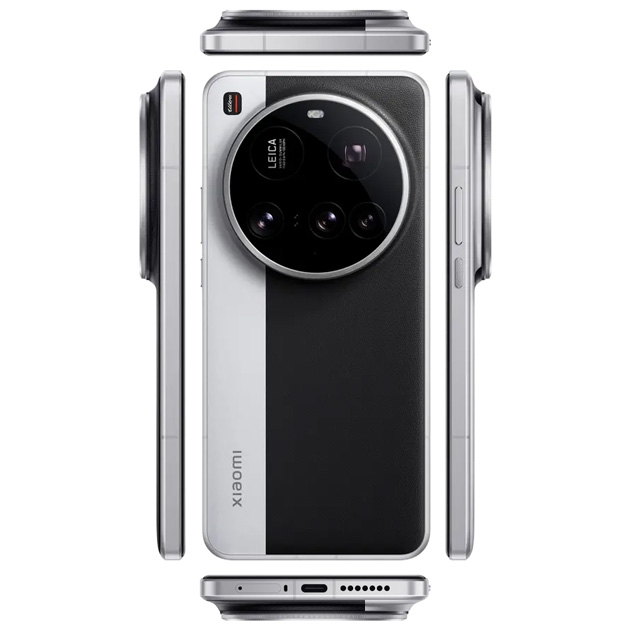
There is nothing on the left side of the frame. On the right, you will find the power and volume buttons, which are perfectly placed. I don’t have large hands, and I had no trouble reaching them. At the bottom, there is the speaker, Type-C port, SIM tray, and microphone, while the top is completely clean except for the antenna bands.
On the front, Xiaomi used its own proprietary Shield Glass 2.0. This glass has a very subtle curve on all four sides, making swiping a joy. Since the edge curve isn’t extreme, you won’t have any trouble applying a screen protector either. Up top, the selfie camera sits in a hole-punch cutout, and above it is a slit for the earpiece.
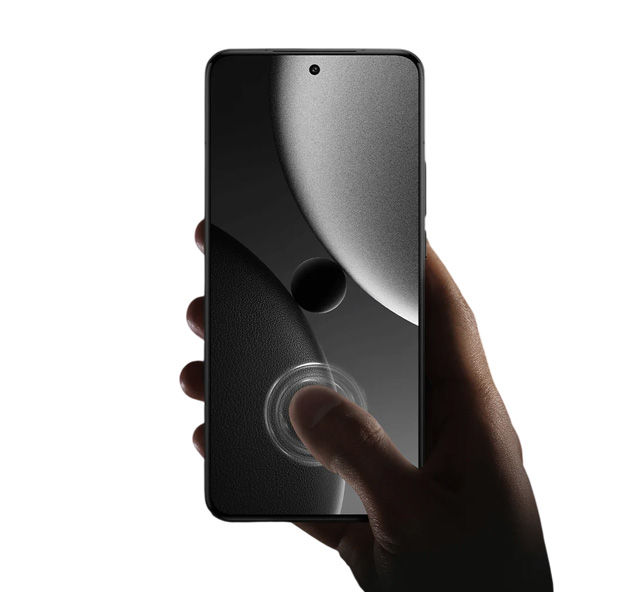
The fingerprint sensor is ultrasonic, its placement is excellent, and I don’t think I need to explain how incredibly fast and flawless it is.
The Xiaomi 15 Ultra has an IP68 rating. This means it’s resistant to dust and can be submerged in water up to 1.5 meters for half an hour. Something that might disappoint you here is that the 15 Ultra doesn’t support the IP69 rating that most current flagships have, meaning it isn’t protected against high-pressure and high-temperature water jets.
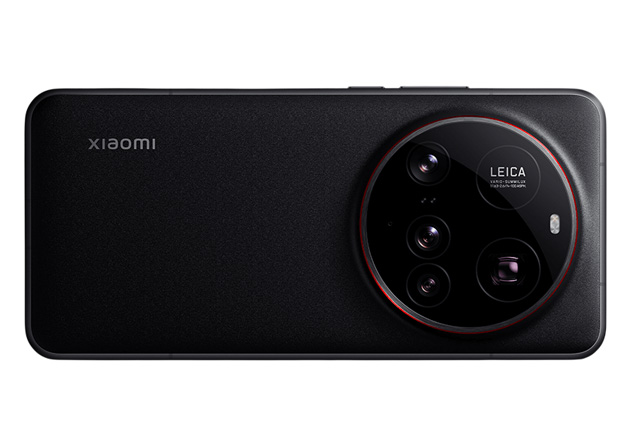
Alright guys, the Xiaomi 15 Ultra is a phone that doesn’t have any serious flaws in its design and build, but I gotta tell you, it’s not a very ergonomic phone at all. It gives you exactly the same feel as the vivo X300 Ultra.
Camera
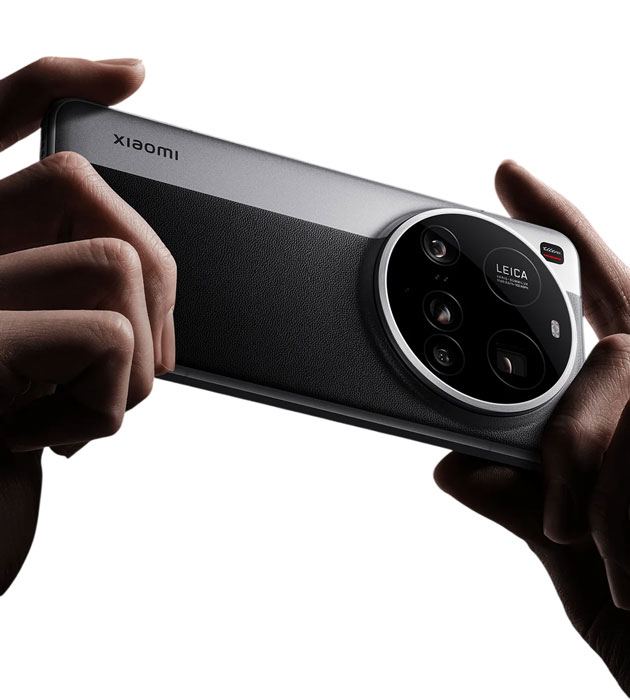
Now we’ve reached the most exciting part and the main reason to buy the Xiaomi 15 Ultra, the camera. On the back of this phone, Xiaomi has packed four cameras: main, ultrawide, standard telephoto, and periscope telephoto.
The main camera features a 50MP Sony LYT900 sensor. This is one of Sony’s most advanced sensors, or rather, one of the most advanced camera sensors in the mobile world. It was also used in the previous generation, the 14 Ultra. This sensor, with its 1-inch optical format, can give you up to 14 stops of dynamic range thanks to Dual Conversion Gain (DCG) technology. Guys, this number basically means that even in the toughest lighting conditions, the image processing algorithm doesn’t have to break a sweat to give you a good dynamic range. Because the sensor is so big, Xiaomi had to increase the lens elements to 8 and use larger lenses, which naturally resulted in a massive camera module protrusion.
Xiaomi even used aspherical lenses for this camera, which are thinner. If they had used regular lenses, the bump would have been even worse. This sensor’s lens has a 23mm focal length and an aperture of f/1.63. Focusing on this camera is done using dual-pixel technology, and the whole camera system supports optical image stabilization that can neutralize movement on 4 axes.
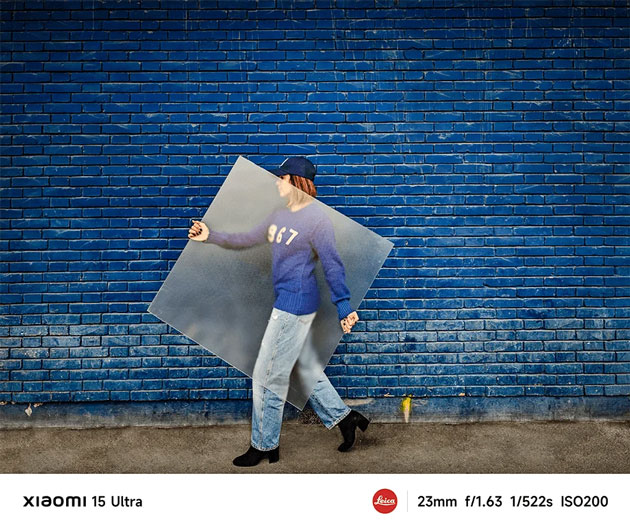
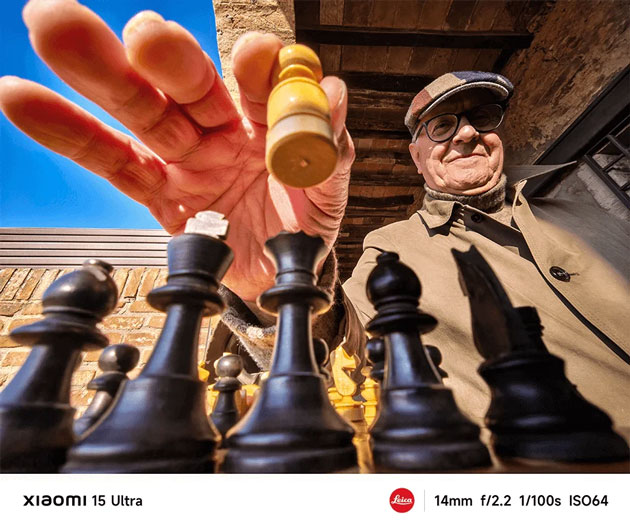
The ultrawide camera uses a 50MP Samsung ISOCELL JN5 sensor, which is the same sensor used in many flagships for this exact camera. This camera has a 6-element lens with a 14mm focal length, an aperture of f/2.2, and thanks to its autofocus capability, it can take photos from just 5 centimeters away from the subject.
As for the telephoto cameras, the first one is a 50MP Sony IMX858 sensor. The lens used here has 6 elements and a 70mm focal length. A 70mm focal length means it gives you 3x lossless optical zoom. The aperture for this camera is a very impressive f/1.8, which is going to help you a lot at night and in low light. The focusing here is dual-pixel and can lock onto a subject from 10 centimeters away. This camera also supports optical image stabilization.

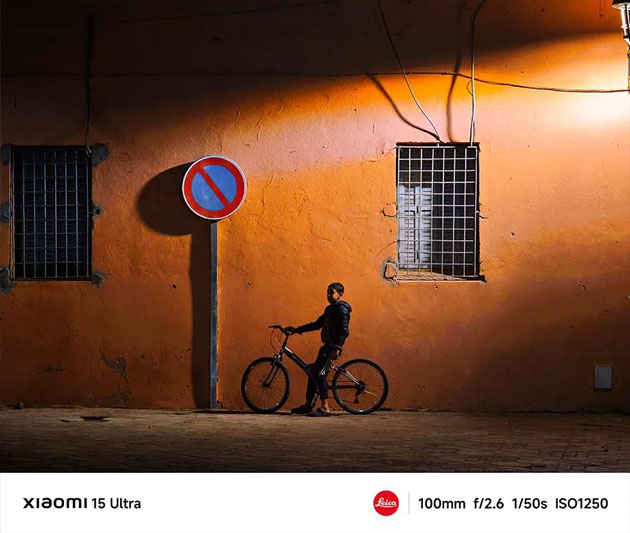
The periscope telephoto camera features a gigantic 200MP Samsung HP9 sensor. The lens is a periscope type with a 100mm focal length. This means it can give you 4.3x lossless zoom. Since this camera’s sensor is so large, it’s going to blow your mind at higher zoom levels. The aperture here is an incredible f/2.6, making the camera perform great in low light, though it also made the camera module much bigger. Focusing uses multi-directional PDAF, and it supports OIS as well.
On the front, the selfie camera has a 32MP OmniVision OV32B40 sensor. The lens has a 21mm focal length and an f/2.0 aperture. Unfortunately, this camera doesn’t support autofocus.
Those are the hardware specs, but to maximize photo and video quality, Xiaomi also threw in a bunch of other technologies.
The first one is a 13-channel multispectral sensor. As you know, standard camera sensors only cover the 3 main RGB color channels, with approximate wavelengths between 400 and 700 nanometers. This means the sensor can’t easily tell the difference between sunlight and artificial light, leading to white balance mistakes.
Now, with this sensor, the Xiaomi 15 Ultra can detect light wavelengths between 350 and 900 nanometers. This means it can now recognize light pollution, accurately identify warm light, human skin, and sunsets, and differentiate between natural and artificial light by detecting invisible light. All this data helps the camera system and processing algorithms achieve spot-on white balance, more accurate skin tones under any conditions, and faster, more precise AI-based processing.

The second improvement involves optimizations made to the main camera lens. The first is a dual-layer anti-reflection coating. This lets more light hit the sensor without scattering or reflecting. Next is an anti-glare coating that reduces the blinding effects of direct light like the sun or car headlights. The third is a spin-coated infrared light filter that blocks IR light from ruining the image. The fourth is the use of advanced polymer materials that are as transparent as glass but much lighter. And the fifth is a dark-edge coating that stops stray light from bouncing around inside the lens and messing up the colors. Let’s see how the output looks with all this tech.

Photos from all the rear cameras can be shot in two modes: Authentic and Vibrant. In Authentic mode, colors are more natural, but there’s this weird dark vignette around the edges, and I honestly don’t know when Xiaomi is going to drop this ridiculous processing style. In Vibrant mode, the colors are a bit saturated, but you don’t get that silly filter anymore. That’s why I took all my test shots in Vibrant mode.
In this mode, as I mentioned, colors are slightly saturated, but it’s not annoying at all, so I’d say the color processing style is excellent. White balance is incredibly accurate on the main camera. Let’s just say the RGB values when capturing white only differ by one or two points. The dynamic range is fantastic thanks to that highly advanced sensor. Mind you guys, the dynamic range you see isn’t due to software manipulation; it’s purely a masterpiece of the sensor itself!
When I cropped the main camera’s photos, I was thrilled by the level of detail. This sensor is so powerful at capturing raw data that even after cropping, you can still see many textures perfectly separated.
In high-resolution mode, the situation is the same. Textures are processed so cleanly and distinctly that you can crop well over 100% and still get incredible details.

Since the main camera performs exceptionally well at capturing details, its 2x digital zoom acts almost exactly like an optical telephoto camera. It gives you details that you can easily crop into. This phone’s main camera is genuinely perfect in every way.
Photos from the ultrawide camera, in both standard and full-res modes, look just like the main camera in terms of colors and white balance, thanks to the spectral sensor. It looks as if the main camera took them, just with a wider field of view.
The dynamic range is phenomenal even under the toughest conditions, and you can’t fault it at all. When I cropped these photos, I noticed that standard mode details are awesome, but in high-res mode, texture clarity drops and isn’t great anymore. But keep in mind, the 15 Ultra’s high-res ultrawide clarity is still better than many Android phones, though maybe not quite at the level of something like an iPhone 16 Pro Max.

So how is the telephoto performance? Well, I have to tell you, the 15 Ultra is nothing like its predecessors. I won’t just say the telephoto images are flawless; I literally don’t have the ability to find a flaw in them.
Everything in these photos is so beautiful and correct that even if you scrutinize various parameters like RGB values, check the histogram, and inspect every single photo with Camera Raw, you won’t find an issue. The colors and white balance are intensely accurate, the dynamic range is flawless, and the level of detail is just mind-blowing.
This incredible detail capture means the first telephoto camera up to 4.3x zoom, and the 200MP periscope camera up to 60x zoom (which is roughly a 1400mm equivalent focal length), will give you very good details.
Of course, I should mention that the image captured at 60x zoom isn’t really croppable anymore, but with the AI zoom feature, it processes and simulates textures so well that you get very good details right off the bat.
I don’t want to judge and say it’s the absolute best I’ve ever seen right now because it needs a side-by-side comparison with other flagships, but from what I’ve seen, it’s a fierce competitor for the vivo X200 Ultra and Honor Magic 7 Pro.
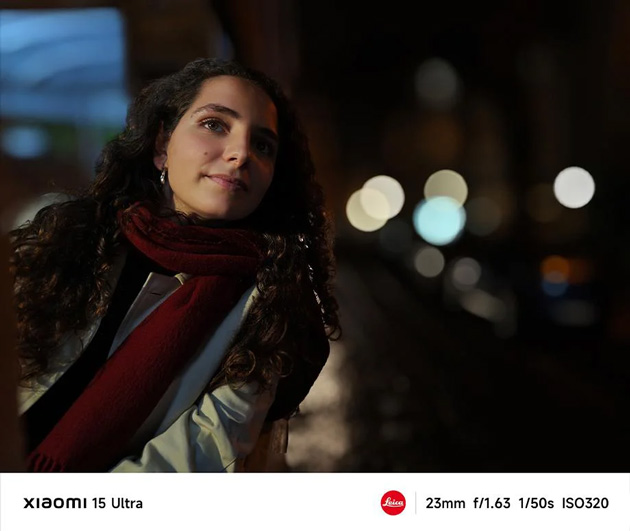
Now it’s time for portrait mode. The 15 Ultra has two portrait modes: Master mode and Leica mode.
In Master mode, the image is captured without effects and looks natural. In Leica mode, a portrait-appropriate effect is applied which I really liked. Portrait photos taken with all the lenses have stunning details. Their colors are intensely accurate, and the subject is separated from the background in the most professional way possible.
Macro photos taken with the ultrawide and standard telephoto cameras are simply magnificent. Colors are captured perfectly, and the details are exceptional.
Now, as amazing as the rear cameras are, the selfie camera is absolute garbage for photography! I’d really love to know what Xiaomi was thinking to slack off so much on the selfie camera. Every single aspect of the photos it takes is terrible. Trust me, Even the mid-range Samsung A17 takes better selfies than this.
Overall, minus the selfie camera, the Xiaomi 15 Ultra’s camera performance in natural daylight is an absolute masterpiece. Let’s see how they handle the night.

Thanks to the huge aperture, the main camera’s photos at night are so bright that 90% of the time, you don’t even need to use Night mode or Pro mode. In standard mode, the colors and white balance are incredibly natural, there is absolutely no noise, and the dynamic range is superb. Sometimes, when lighting conditions are actually quite good and auto HDR is on in Vibrant mode, it applies a bit too much HDR effect, making colors overly saturated. Some people might not like this, but turning off auto HDR fixes the issue entirely.
When I cropped the night shots from this camera, I thoroughly enjoyed the level of detail. If you put it in Night mode (which turns on automatically anyway), it shoots with a slower shutter speed and higher ISO. It doesn’t drastically change the photo, which makes sense since its light gathering is already great and it barely needs it.
With manual settings, this camera gets even better and gives you incredibly detailed images. It feels so professional that it gives you a DSLR vibe.

Photos from the ultrawide camera are noticeably darker than the main camera, which forces it to shoot with a very high ISO. The weird part is that even with super high ISO and slow shutter speeds, the photos are still too dark. This shows that Xiaomi’s image processing algorithms still have a way to go before being truly professional. Colors are very natural, brightness isn’t great but acceptable, and the detail level remains excellent.
When you force the ultrawide into Night mode, the shutter speed drops to 1/50 of a second, resulting in a much brighter and better photo. However, auto HDR still tends to make things look like an oil painting. I really wish Xiaomi would fix this auto HDR behavior because it’s ruining the shots.
In manual mode, I realized this camera is heavily dependent on ISO, and no matter how much you slow down the shutter speed, if the ISO is low, the photo stays dark. I won’t drag it out. While the ultrawide is better than the previous generation, I don’t really love it compared to its direct rivals.
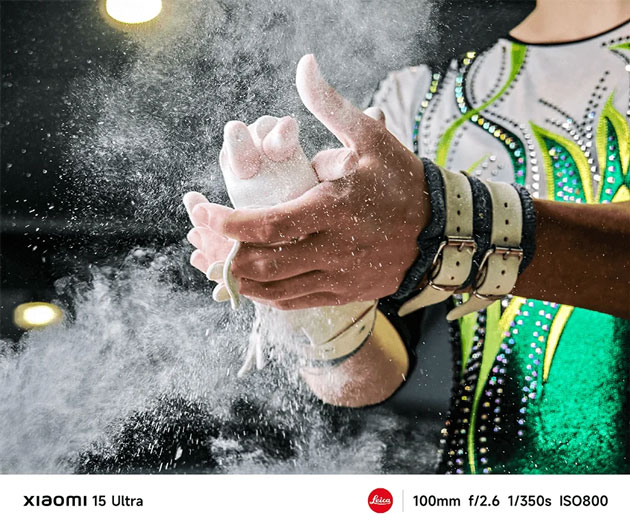
In the zoom department, the 15 Ultra’s performance is fantastic. The output from both telephoto cameras is so good it will surprise you. Colors are intensely natural, dynamic range is fantastic, brightness is excellent due to the wide apertures, and sharpness is insane. Both cameras capture details so well that you can crop way past 100% and still get amazing results.
A weird thing I noticed with these two cameras is that auto HDR actually works better here than on the other two cameras and doesn’t mess up the image.

Portrait mode in low light still produces excellent output, giving you incredibly natural colors, superb sharpness, and good subject separation.
Overall, I’d say I liked the night photography performance of this phone, but it’s not the absolute best I’ve seen. That’s it for photography, let’s move to video.
With its main camera, the Xiaomi 15 Ultra can shoot 8K at 30fps or 4K at 120fps. While 8K videos aren’t mainstream yet, the clarity is so incredible that even if you watch them on a 65-inch TV, they don’t lose a drop of quality.
The video quality on this phone is truly high-tier. Clarity is fantastic, everything is precise and sharp, and you never feel like any details are missing. Colors are intensely natural. They aren’t overly saturated and fake, nor are they washed out; it’s exactly the right balance you expect from a realistic image. Dynamic range is really excellent. Even in scenes with harsh lighting contrasts, highlights are controlled well, and shadows retain their details without getting noisy. White balance is also very accurate, especially in mixed and complex lighting.

At night, the main camera’s video quality loses a tiny bit of sharpness, but the output is still top-notch. The image stays clear, and you don’t feel like it’s gotten soft or muddy. Noise is controlled very well, especially in the dark areas where smartphone cameras usually fail; there is no heavy grain or color noise here. Colors stay mostly natural at night, and the brightness level is great. Autofocus is very reliable and easily locks onto your subject. Stabilization works perfectly day and night, and in both standard and Steady Shot modes, hardly any shaking will ruin your footage.
The overall video quality of the ultrawide camera is genuinely good. Resolution is solid, and just like the main camera, colors are very natural without any artificial feel.
But when it comes to dynamic range, there’s a clear gap compared to the main camera. In high-contrast scenes, especially when parts of the image fall into shadow, noise becomes very noticeable. Not just a little bit, actual grainy noise is visible, which makes those parts of the video look messy. Of course, in good lighting or evenly lit scenes, this isn’t much of an issue, but as soon as the light gets tricky, the noise shows up.
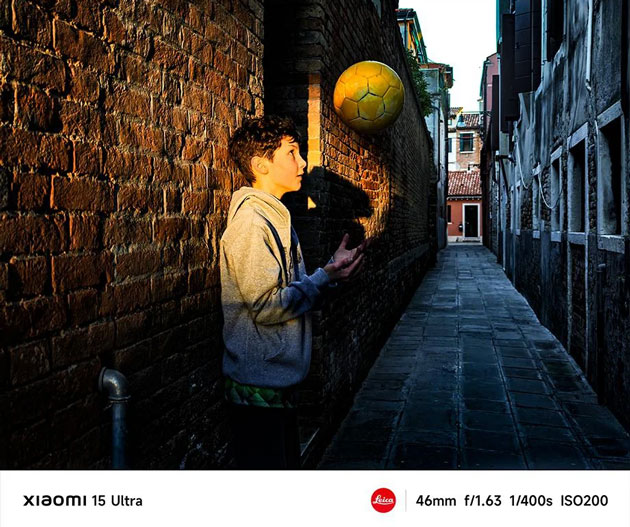
In low light, ultrawide videos aren’t super sharp, especially if the environment is very dark, making the loss of sharpness more obvious. But even then, colors stay natural, and the image feels alive and correct. Noise control is quite good here too; you won’t see annoying grain even in dark areas. Interestingly, despite the f/2.2 aperture which isn’t huge, the brightness level is actually pretty good. Autofocus is slightly slow but accurate enough, and it doesn’t hunt wildly.
Videos shot with the standard telephoto camera are really color-accurate. Colors are captured with control, and you never feel the image has drifted from reality. Dynamic range is good, managing highlights and shadows well in high-contrast scenes. But when it comes to sharpness, there’s room for improvement. It’s not bad or annoying, it’s totally acceptable and usable, but it just lacks that biting sharpness you expect from a top-tier flagship. Next to a premium flagship, it’s clearly a step down.
At night, standard telephoto videos are actually pretty good. While sharpness drops a bit due to low light, it’s still at a good level, and details are preserved nicely. Colors stay entirely natural, keeping that realistic vibe. Brightness is fantastic. It strikes a great balance between exposure and detail without blowing out or getting too dark. There is some noise, but it’s not very obvious unless you really look for it, as the processing algorithms do a great job controlling it. Overall, for a telephoto lens in low light, it’s an impressive output.
The stabilization on the standard telephoto is really good, keeping the footage very stable both day and night. Even hand-held, the final result is very smooth. If you make a sudden, sharp movement at night, you might see a bit of trailing, but it corrects itself very quickly. For the best stabilization, just turn on Steady Shot. It minimizes shaking and gives the video a stable, cinematic feel.

Videos from the periscope telephoto camera are extremely high quality. Unlike the standard telephoto, there’s no lack of sharpness here. The image is very crisp, colors are accurate, and dynamic range is top-tier, handling harsh lights and deep shadows perfectly. Overall, this camera’s output is fully flagship-level, and you don’t see any major quality drop even at high zoom levels. If Xiaomi had added just a tiny bit more sharpness, it could have been even more striking, but it’s already impressive as is.
Night videos from this camera are genuinely excellent, and you’ll struggle to find faults. High image quality, natural colors, balanced brightness, and well-preserved details. Yes, there is some noise, but it’s not annoying because the processing algorithms keep it in check. All in all, the periscope’s night performance is very powerful and reliable.
Stabilization works great during the day. At night, if you walk fast, you might see some trailing, but the camera fixes it quickly. Turning on Steady Shot makes it even better, almost eliminating shakes. Obviously, if the movement is too violent, the stabilization can only do so much.

While the selfie camera’s photos are terrible, its videos are surprisingly good both day and night. Colors are very natural with no artificial tint. There’s very little noise even in low light. Sharpness is good and captures details well, though I must say it still doesn’t quite match the best in the market and lags a bit behind. But overall, the selfie video output is really satisfying.
Display & Audio
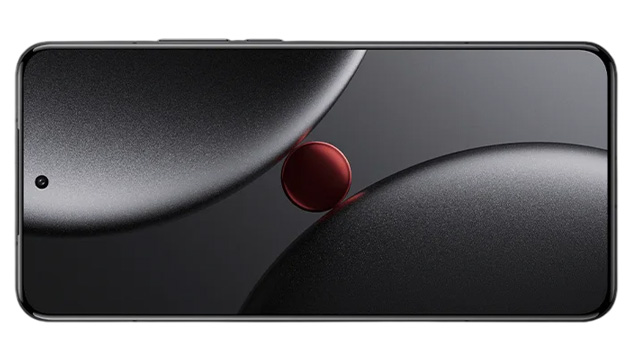
Xiaomi used a 6.73-inch AMOLED panel for the 15 Ultra, and the specs are eye-catching. It supports 12-bit color depth, is a 120Hz LTPO display, has Dolby Vision, HDR10+, and HDR Vivid certifications, boasts a WQHD+ resolution, and Xiaomi claims peak brightness can hit 3200 nits. Those are the specs, let’s talk performance.
The color reproduction settings on the 15 Ultra are so advanced and diverse that you almost need a degree in displays to figure it all out. To test color accuracy, I left the screen in its default Original Color Pro mode and checked the Adaptive Color box. My tests showed good performance, but not flawless.
Refresh rate settings are pretty straightforward and classic Xiaomi. To test how smart the display is at controlling the refresh rate, I left it on default. After testing, I realized the 15 Ultra has the best display when it comes to refresh rate management.
The screen analyzes the data processed by the GPU in real-time, figures out exactly how many frames per second the GPU is outputting, and matches the refresh rate perfectly to that number. This means the display wastes very little energy due to high refresh rates.

For brightness, I ran four scenarios. First, I turned off the ambient light sensor, played SDR content, and maxed out the brightness slider. The screen hit 592 nits, which isn’t huge but is okay. Under the same conditions with HDR content, it reached 1644 nits.
When I turned the ambient light sensor back on and simulated direct sunlight, SDR content hit 1333 nits, and HDR content reached 1645 nits. This means the 15 Ultra has a very bright screen, and you’ll have zero issues using it or watching movies under harsh sunlight.
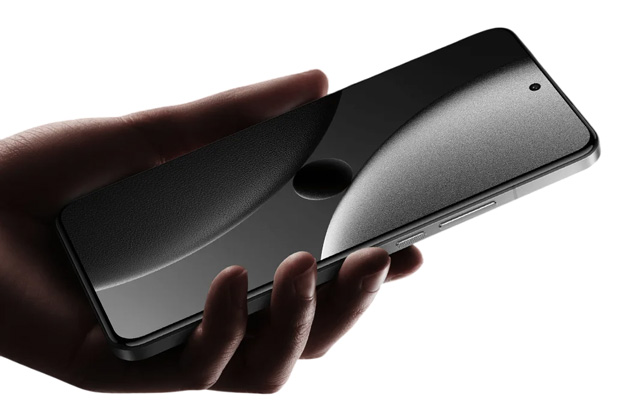
Screen dimming uses PWM DC, which Xiaomi claims operates at 1920Hz. This practically means it shouldn’t bother sensitive eyes. In my testing, I noticed some flickering at brightness levels below 30%, but these flickers are very thin, faint, and regular. So if you have sensitive eyes, you most likely won’t have a problem with it.
Even though the color accuracy wasn’t mind-blowing, I’m overall happy with the display because its pros heavily outweigh its cons.
As I mentioned earlier, this phone has a speaker at the bottom and one at the top. They get very loud, the clarity is fantastic, and they have good bass. Let’s just say listening to music on the 15 Ultra is highly enjoyable.
Battery & Charger
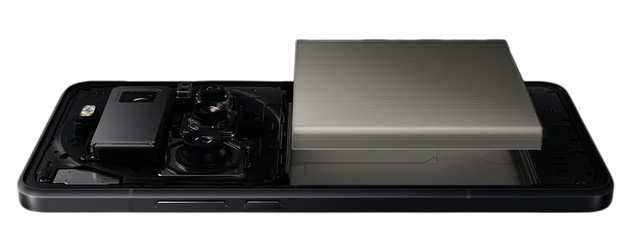
Xiaomi packed a 5410mAh battery into the 15 Ultra, which looks good on paper. Keep in mind this capacity is for the global version, while the Chinese version gets a 6000mAh battery. They also included a 90W charger in the box, which is a solid wattage.
Battery life during my 3-hour semi-heavy test dropped by 44% in total. That was 26% for an hour of Call of Duty at 120 fps, 5% for an hour of YouTube, and 13% for an hour of web browsing.
The included charger took the battery from 0 to 60% in 30 minutes and fully charged it to 100% in 58 minutes. Note that this was with the charging mode set to standard and the boost mode on. If I had turned on Top Speed mode, it would have charged even faster.
I just have to say, the battery life on the Xiaomi 15 Ultra is awful. This phone drains faster than the Galaxy S25 Ultra, which already didn’t have great battery life! What’s funny is that its refresh rate is controlled so well. If it wasn’t, and the screen wasted energy, I bet web browsing would drain 20% to 25% an hour.
Performance

Xiaomi used the Snapdragon 8 Elite in the 15 Ultra. This 3nm chip offers really great performance and stability, and you can totally rely on it. Alongside that, you can get this phone with anywhere from 256GB to 1TB of storage and 12 to 16GB of RAM.