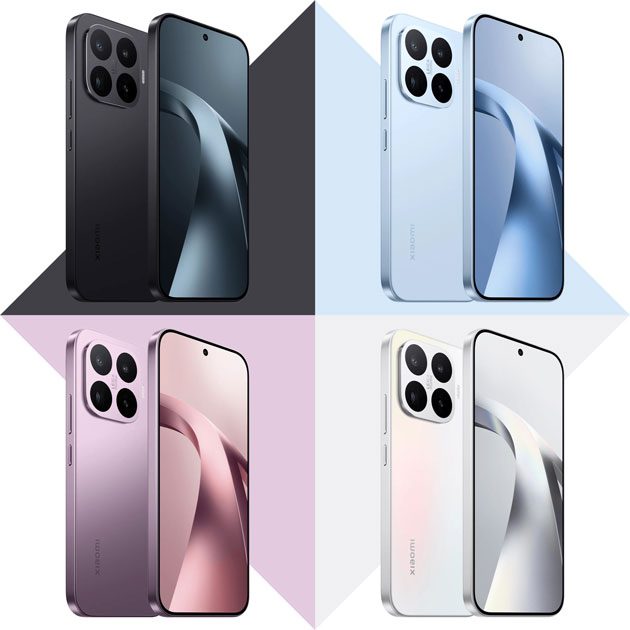
Today, I am diving into the standard version of Xiaomi’s newest flagship killer, the Xiaomi 17T. A few days ago, I dropped a full review of the Pro model, but now I want to break down the 17T inside and out. We are going to see if this $750 phone is actually worth your money, so let us check out what it feels like in the hand and what it has to offer.
Design & Build
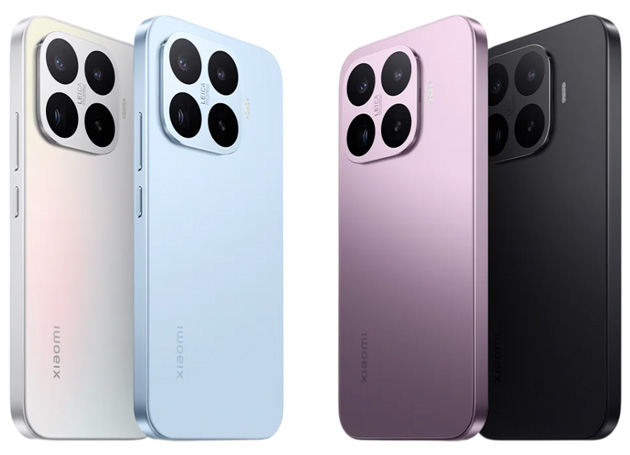
You can get the Xiaomi 17T in four cool colors: Black, Blue, Violet, and Opal White. It’s available in either 256GB or 512GB storage options, and both versions pack a solid 12GB of RAM.
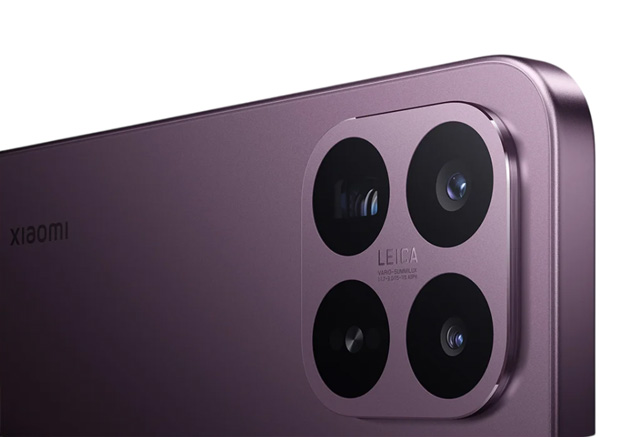
At first glance, the rear camera modules look exactly like the Pro version. But when you actually pick it up, the first thing that might let you down a bit is the frame. Unlike the Pro version, which features an aluminum frame, Xiaomi went with plastic here, probably to cut down on both weight and production costs.
On top, there is an IR blaster so you can control your TV or air conditioner. The power and volume buttons sit on the right side. At the bottom, you will find the main speaker, the Type-C port (which is unfortunately just USB 2.0 and quite slow), and the SIM tray. You can use two nano-SIMs at the same time, but you will have to forget about expandable storage since it does not support MicroSD cards.
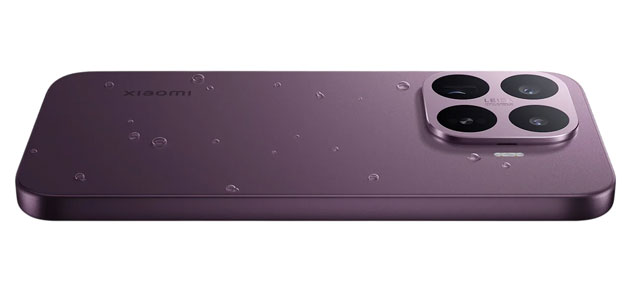
The phone weighs 200 grams and is 8.2mm thick, making it 6 grams heavier and 0.7mm thicker than the Xiaomi 15T. The build quality feels solid enough, but for this price tag, a plastic frame and Gorilla Glass 7i protection on the display feel a little disappointing. They definitely could have done better. Luckily, you do get an IP68 rating, so you can rest easy knowing it can survive being submerged in up to 1.5 meters of water for 30 minutes.
Display
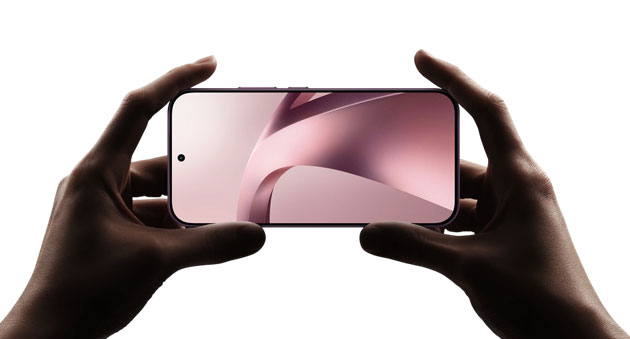
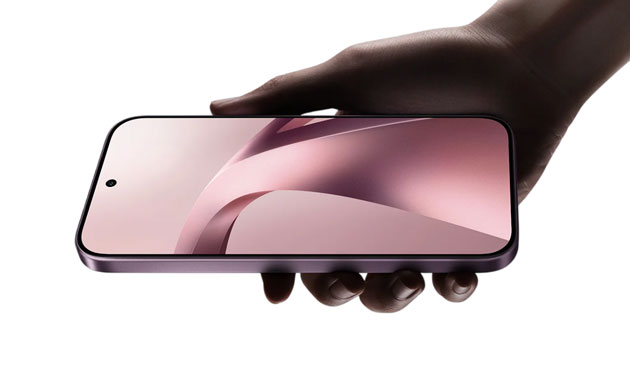
The screen on the Xiaomi 17T is absolutely gorgeous! You are looking at a 6.59-inch AMOLED panel that looks incredibly sharp thanks to its 460ppi pixel density. This screen has a 120Hz refresh rate and can push 68 billion colors. With support for the DCI-P3 color gamut, Dolby Vision, and HDR10+, watching movies on this thing is a whole different experience. Plus, with its TUV certification and DC Dimming capabilities, it is honestly one of the most comfortable screens I have ever used.

For brightness, this panel peaks at a wild 3500 nits, meaning you can see everything crystal clear even under direct sunlight. The settings also give you plenty of freedom to tweak the colors, whether you want them warmer or more saturated. The quality and brightness here are truly on par with top-tier flagships.
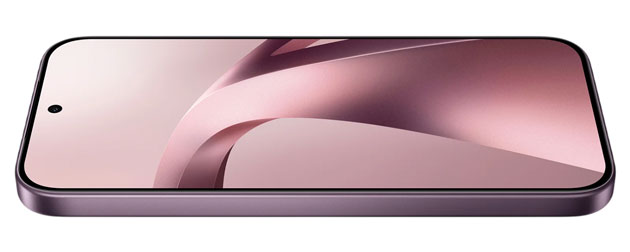
For the gamers out there, the touch sampling rate is 480Hz normally, but once you start gaming and Turbo mode kicks in, it skyrockets to a crazy 3200Hz. That makes it insanely responsive.
Remember two years ago when the Xiaomi 14T had a 144Hz refresh rate? Well, this year they stuck with 120Hz, just like the previous generation. In everyday use, you won’t even notice the difference, and the display is still top-notch for gaming and media consumption.
Performance
Xiaomi equipped this thing with the powerful MediaTek Dimensity 8500 Ultra processor, which works beautifully alongside the 12GB of fast LPDDR5X RAM and snappy UFS 4.1 storage.
While using the Xiaomi 17T, everything feels incredibly smooth and fluid. Apps open instantly, and you can easily multitask with several windows open without the phone stuttering or lagging at all.
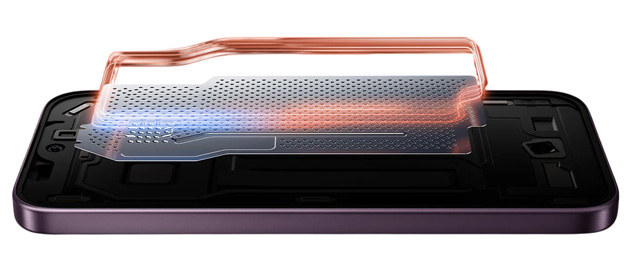
You can even edit heavy 4K videos in CapCut, and the rendering speed is seriously impressive. To keep things cool, Xiaomi used their Ice Loop cooling system, which does a great job keeping the temperature down. The Mali-G720 MC8 GPU is also well-optimized with Xiaomi’s Game Turbo to deliver stable frame rates.
In my testing, Genshin Impact ran at a smooth 60fps, and even during intense action scenes, I didn’t notice any major frame drops. It stays under 45 degrees Celsius after a solid half-hour of gaming. If you play Call of Duty Mobile, you can crank the graphics all the way up and get a blazing 120fps! This is where that insane touch sampling rate really shines, making the gameplay a total blast. The temperature here stayed under 43 degrees after 30 minutes.
Camera
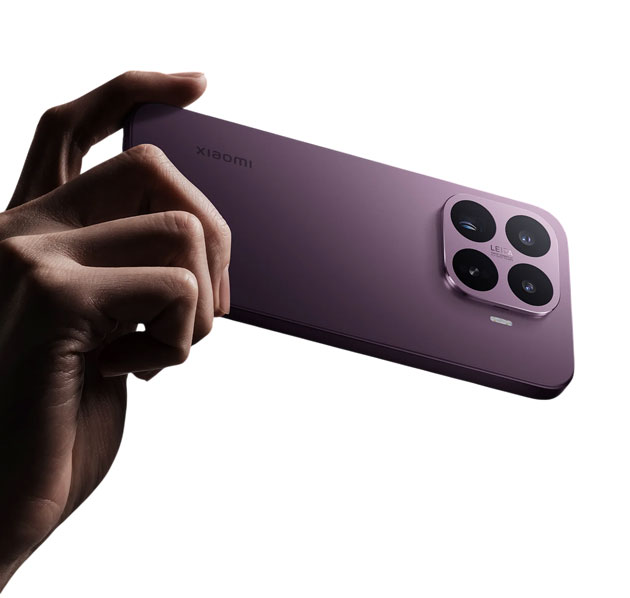
Up until now, we usually knew Xiaomi’s T-series for its beastly performance and hardware, and we didn’t really expect much from the cameras. But this year, the story is completely different. I think Xiaomi made a huge leap with the Xiaomi 17T camera by finally dropping those weak, old secondary sensors and replacing them with a new one.

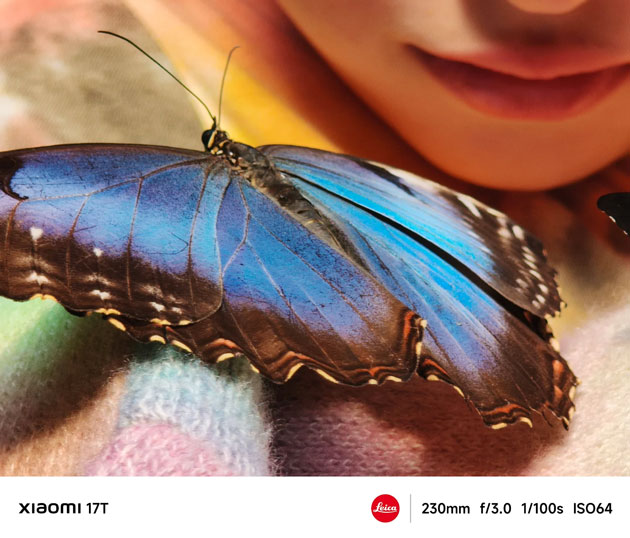
But the real masterpiece is the 50MP periscope telephoto lens with 5x optical zoom. Unlike a lot of other flagships, this one actually lets you shoot at the full resolution. This prevents that over-processed, painterly look that a lot of phones have, keeping the natural textures of your photos intact. I should also mention that while this sensor loves light, its performance drops in low-light environments.

In outdoor shots with good lighting, the 50MP main camera, which uses the Light Fusion 800 sensor, captures incredible detail with really pleasing colors and great dynamic range. You can also shoot 4K video at 60fps with the main lens, and the stabilization works like a charm.
The 12MP ultrawide camera has a 120-degree field of view. It lacks autofocus and performs decently, though it is not quite on the same level as the other two lenses.
As for the 32MP selfie camera, it delivers natural skin tones and takes nice photos, but it has a fixed focus. Video recording on the front camera tops out at 4K at 30fps.
Battery & Charger
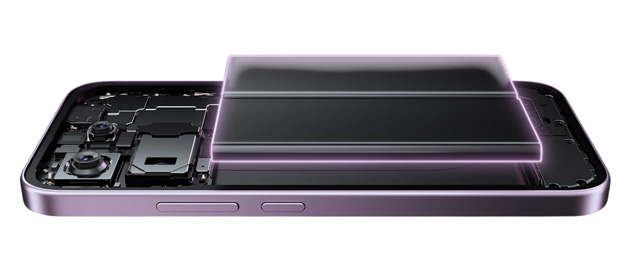
Xiaomi stuffed a 6500mAh battery inside the Xiaomi 17T, and the capacity is phenomenal. However, the charging speed is stuck at 67W just like last year.
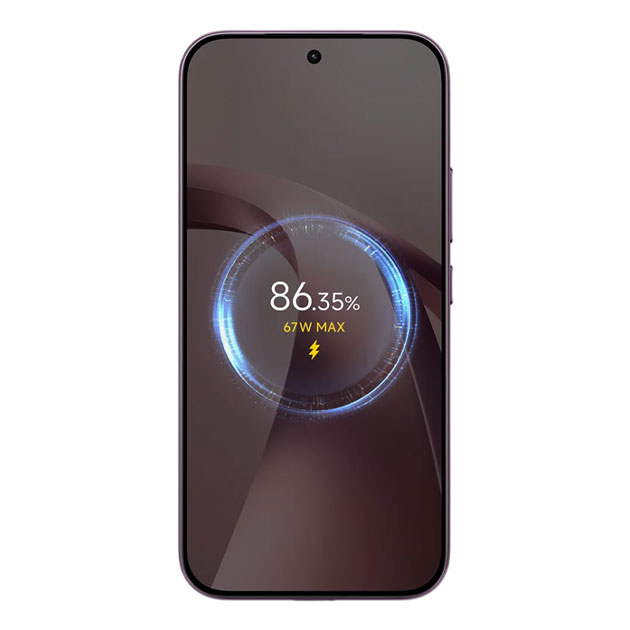
There is no sign of 90W or 120W charging here, which I think was a missed opportunity for an upgrade. It took about 30 minutes to get past 50%, and a full 0 to 100% charge took 60 minutes. It does support 22.5W reverse wired charging, but unlike the Xiaomi 17T Pro, there’s no wireless charging support.
Of course, battery consumption depends entirely on your refresh rate, screen brightness, and how much you game. But with mid-to-heavy everyday use, you can easily get up to two days of battery life out of this thing.