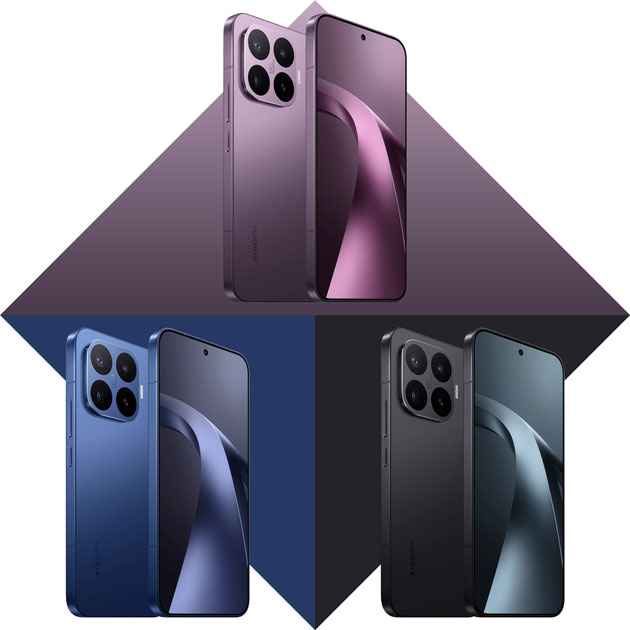
Right off the bat, I gotta say the Xiaomi 17T Pro is a really solid and well-built phone. So, this review isn’t about whether it’s good or bad. The real question is, even with all its upgrades and the great reputation of the T-series, is the Xiaomi 17T Pro still a smart buy?
Design

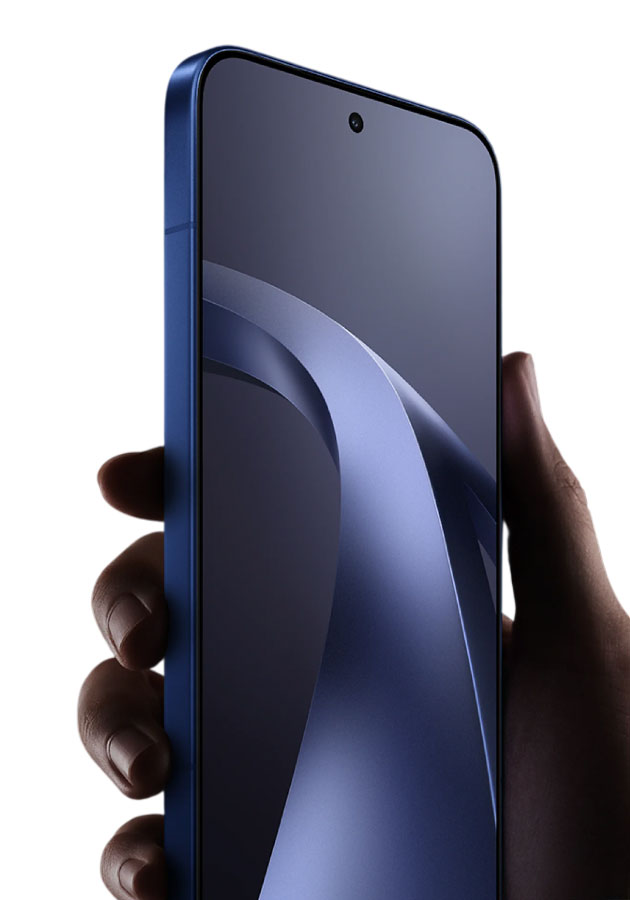
First off, let’s talk about how this thing actually looks and feels. It’s not exactly a featherweight, coming in at 219g and measuring 8.3mm thick. It’s a substantial phone, but it’s crafted beautifully with a flat aluminum alloy frame, a quad-wrap mid-frame, and a golden arc design.
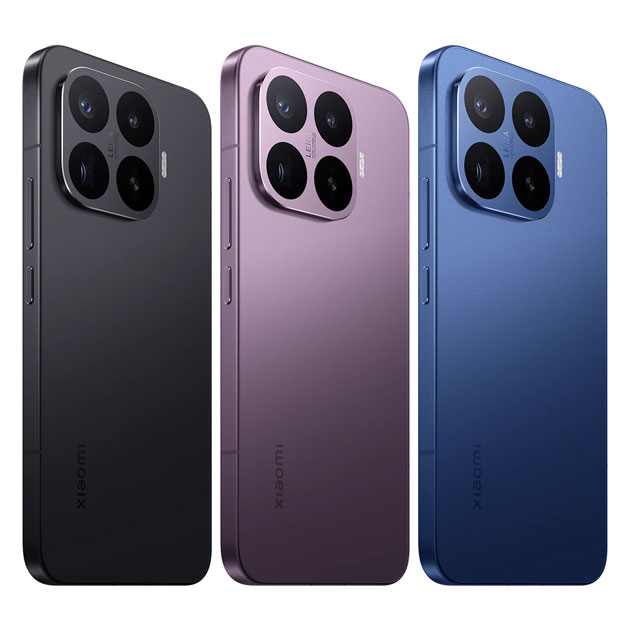
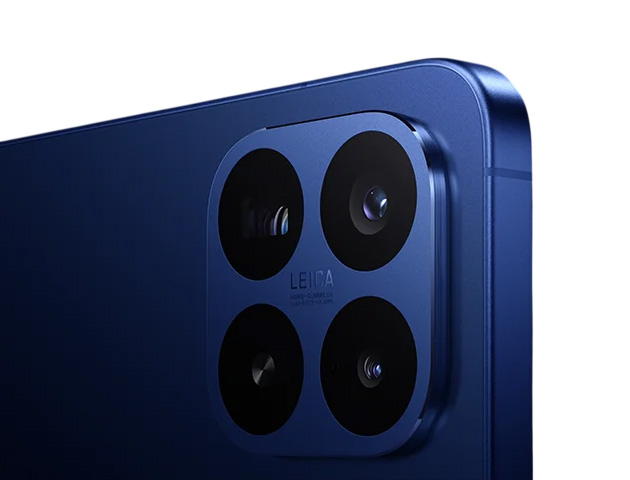
The camera module features a very refined deco design that catches the eye. You can get the Xiaomi 17T Pro in three colors: Deep Blue, Black, or a really stylish Deep Violet.
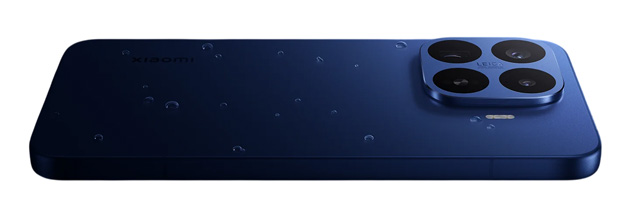
It also has IP68 water and dust resistance, so you don’t have to panic if you get caught in a downpour or spill your drink. It feels premium, but keep in mind that you’ll definitely feel that weight in your pocket.
Camera
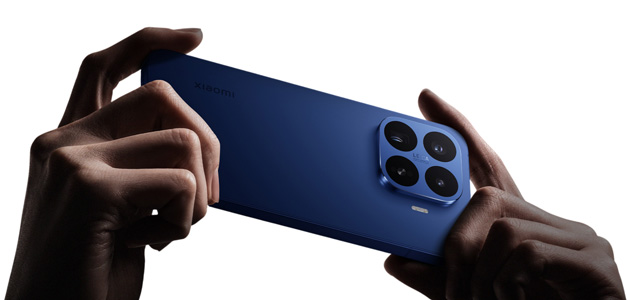
The camera is where Xiaomi wants you to focus, especially with their heavy Leica partnership. They are using a Leica Summilux optical lens with a 1G plus 6P hybrid setup, meaning there’s one glass lens and six plastic ones to help pull in clean light.
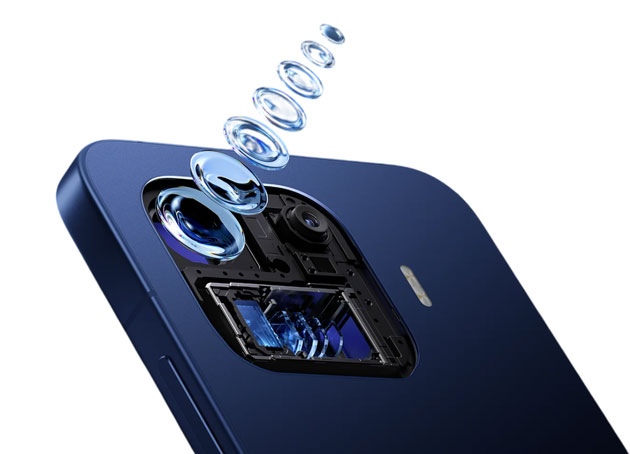
They’ve also gone crazy with precise multi-coatings to reduce glare, ghosting, and haze. They used LSC coating for haze reduction, MgF2 to stop arc flare, ALD and SWC coatings for ghosting, an edge ink coating to reduce stray light, and a spin-coated IR filter to stop color cast.
The main sensor is a 50MP shooter (23mm equivalent) running on the Light Fusion 950 ultra-dynamic sensor. You are looking at a huge 1/1.31-inch sensor with a wide f/1.67 aperture, optical image stabilization (OIS), and 4-in-1 pixel binning that serves up a mind-blowing 13.5 EV dynamic range.

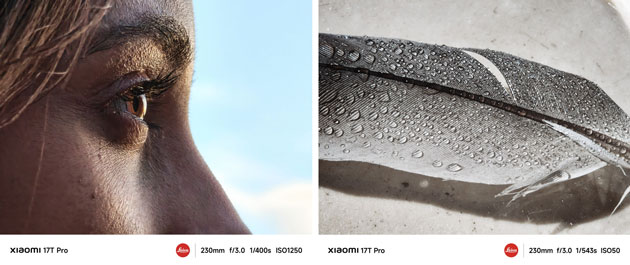
But the real star of the show is the 50MP Leica 5x periscope telephoto lens, featuring a 115mm equivalent focal length, an f/3.0 aperture, and OIS. Thanks to ISZ tech, this thing gives you a lossless 10x zoom and lets you snap close-up macro shots from just 30cm away.
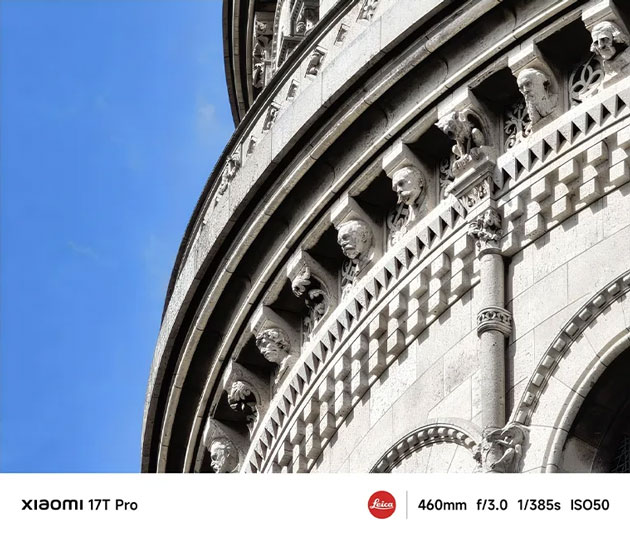
Xiaomi also added AI Ultra Zoom, which keeps things crystal clear up to 20x and can even stretch all the way to 120x. Let’s be real though; anything past 20x or 30x is mostly a masterpiece of AI algorithms rather than the actual lens and glass, so don’t get too caught up in that 120 number.

Next up is the 12MP Leica ultrawide camera (15mm equivalent) with an f/2.2 aperture and a 120-degree field of view, which gets the job done for those wide shots.
For portrait lovers, they loaded it up with Leica Portrait and Master Portrait styles. Using that 5x zoom, these modes keep facial features looking natural and give you a really smooth bokeh background blur. There is even a Stage Mode that locks focus beautifully if you ever find yourself under theater or concert lights.
The video department is an absolute beast. It supports recording up to a crazy 8K at 30fps, or super smooth 4K at 120fps. You can even shoot in 4K HDR10+ at up to 60fps, use Log format if you are a pro editor, or try out the cinematic Stage video mode.
The selfie camera doesn’t hold back either, giving you a 32MP sensor (21mm equivalent) with a 90-degree field of view that can record your selfies in 4K HDR10+ at 30fps.
Display & Audio
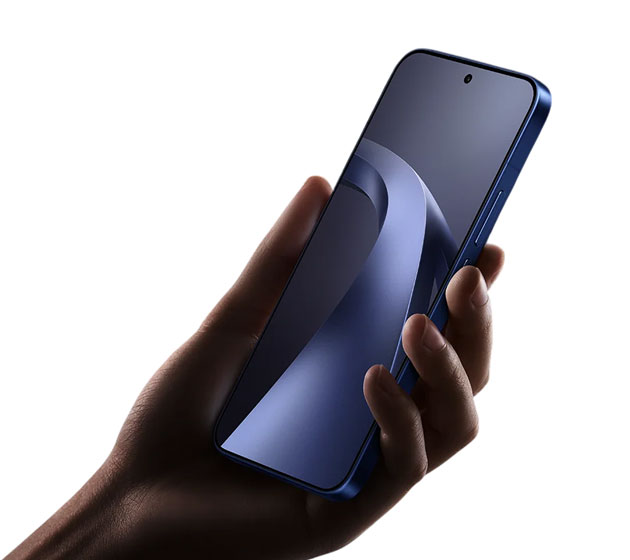
The Xiaomi 17T Pro has a massive, nearly bezel-less 6.83-inch AMOLED display that makes watching anything absolute eye candy. Xiaomi really went all out with this screen. With a crisp 1.5K resolution, a super smooth 144Hz refresh rate, 12-bit color depth, and full DCI-P3 coverage, we are looking at a serious powerhouse of a panel.
The bezels are so incredibly thin at just 1.29mm that when you look at the phone, it feels like the entire front is just pure screen. There is also an under-display fingerprint sensor that’s both fast and accurate.

When it comes to brightness, this thing peaks at 3500 nits, meaning it is clear as day even under direct sunlight. But honestly, the cooler part for me is how it can drop all the way down to 1 nit. That is a total lifesaver for late-night scrolling in bed because it is incredibly easy on the eyes.

Xiaomi really cared about eye health here and got the TÜV Rheinland certification. This means the display cuts down harmful blue light by up to 75% at the hardware level and syncs with your circadian rhythm, so you can actually get a good night’s sleep after using it.
On the audio side, the phone wraps things up with dual stereo speakers powered by Dolby Atmos and Hi-Res audio. The combo of this rich sound and that gorgeous display turns watching movies in bed into your own cozy, mini-cinematic experience.
Battery & Charging
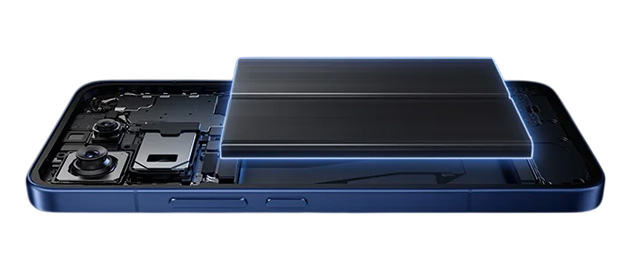
Inside this 8.3mm chassis, the Xiaomi 17T Pro manages to cram a massive 7000mAh silicon-carbon battery, and honestly, this is where the phone really stands out.
By using a high silicon content of 16 percent, Xiaomi kept the battery incredibly thin while offering huge capacity. They claim you can get over 30 hours of video playback, 20 hours of constant use, 9.5 hours of video recording, or 62 hours of VoLTE calling on a single charge. In real-world use, this means you can easily forget about your charger for more than a day.
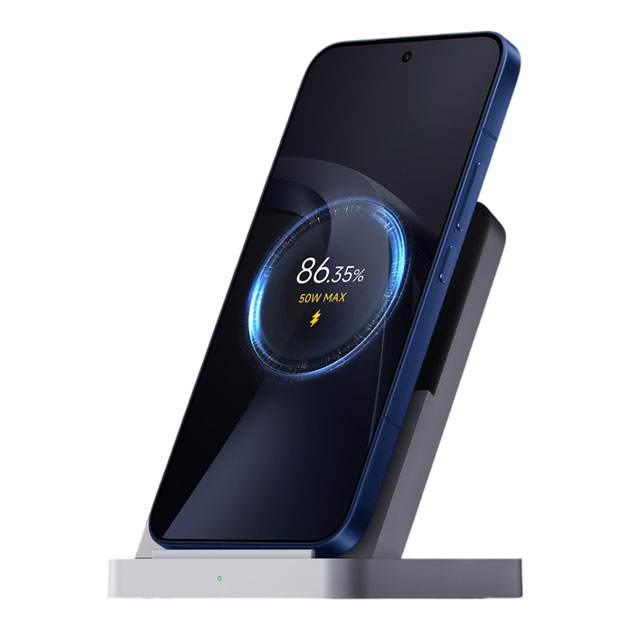
When you do run out of juice, the 100W wired HyperCharge gets you back to 100% in just 48 minutes. It also supports 50W wireless HyperCharge, which hits the 50% mark in about 42 minutes.
On top of that, it’s fully compatible with 100W PPS, PD3.0, and PD2.0 standards. Plus, it even offers 22.5W wired reverse charging, so you can basically use it as a power bank to save a friend’s dying phone in an emergency.
Performance
The Xiaomi 17T Pro packs a massive punch under the hood, running on the new MediaTek Dimensity 9500 processor. This 3nm chip uses an All-Big-Core architecture, which is just a fancy way of saying it’s built to crush heavy multitasking and hardcore gaming without dropping a single frame.
Xiaomi paired this powerhouse with fast LPDDR5X RAM and UFS 4.1 storage. Every model comes with 12GB of RAM, and you can grab it with 256GB, 512GB, or a massive 1TB of storage depending on how much of a digital hoarder you are.
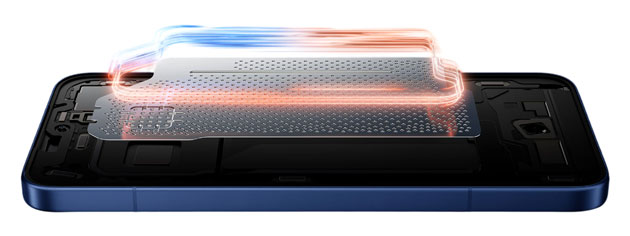
To keep the phone from turning into a pocket heater during intense gaming sessions, Xiaomi threw in their 3D IceLoop cooling system, backed by a high-conductivity 6W/mK gel. It does a solid job of pulling heat away from the core, keeping your performance smooth and stable even when things get chaotic.
Connectivity
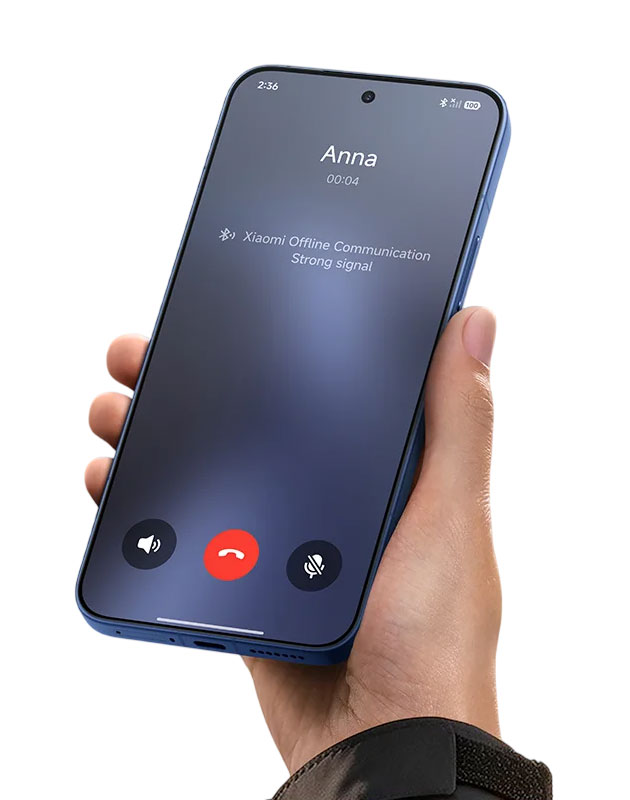
The Xiaomi 17T Pro actually brings some genuinely cool upgrades to how we stay connected. Under the hood, Xiaomi is using their new Astral communication system, which combines three Surge T1 tuners with a high-performance antenna array. It means you get a much stronger, more stable signal in those annoying dead zones where other phones usually give up.
But the feature that really caught my attention is the Xiaomi offline communication. It basically lets you make voice calls even when you’re completely off the grid with absolutely zero network coverage. If you love hiking or traveling to remote areas, this is a massive peace-of-mind feature.
For the everyday stuff, you’re pretty much set for the future. It supports Wi-Fi 7, Bluetooth 6.0, multifunctional NFC, and thankfully, Xiaomi kept the classic IR blaster for controlling your TV.
The SIM setup is also super flexible. You can go with dual nano SIMs, a mix of nano SIM and eSIM, or just go fully digital with dual eSIMs.
Now, for my biggest pet peeve: the USB Type-C 2.0 port. Honestly, on a phone that’s heavily marketed for shooting massive 4K and 8K video files, sticking us with ancient USB 2.0 transfer speeds is a huge letdown. If you prefer offloading your heavy video files to a PC using a cable, you better pack a lot of patience.
OS & AI
The Xiaomi 17T Pro runs HyperOS 3 based on Android 16. What’s really interesting this year is how much they’ve leaned into Google’s AI. Instead of just basic tools, you’re getting some heavy-hitting features built right in. I’m talking Gemini Live for voice chats through your camera or screen, the Veo 3 model for quick video generation, and Nano Banana for creating images on the fly.