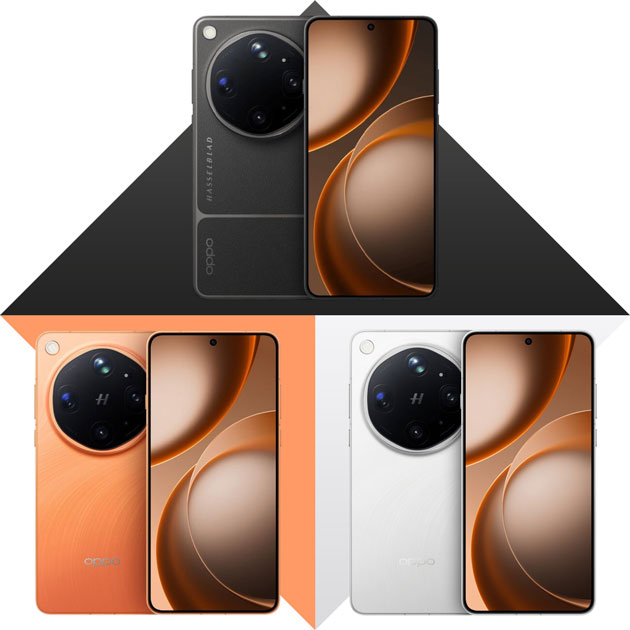
The OPPO Find X9 Ultra was announced on April 21, 2026, in three colors and four configurations, and it’s one of the best camera phones that grabbed everyone’s attention from the start. Let’s take a closer look and see what all the hype is about.
Design & Build Quality
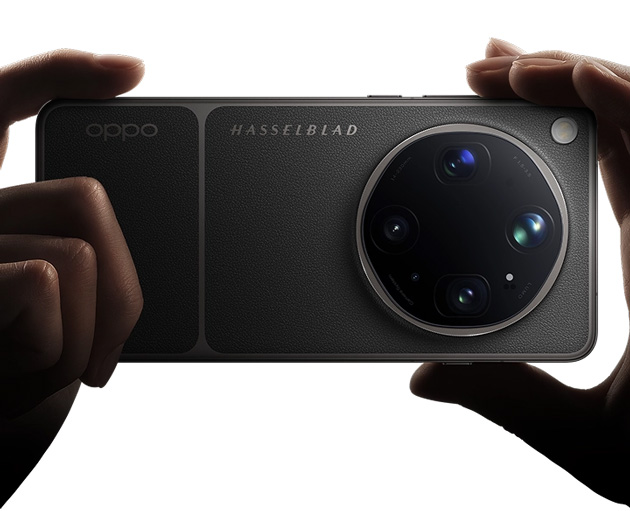
At first glance, the Find X9 Ultra doesn’t look all that different from the Find X8 Ultra. In fact, if you’re not paying close attention, you might not even notice the changes. This phone still has the same DNA as the last generation; it’s a big, relatively heavy phone with a camera bump that totally stands out, which is pretty much the signature design feature of this series.
But when you look closer, the changes start to show. The camera island is even bigger now, thanks to the larger sensors, and it takes up a significant part of the back panel. This not only makes the phone look heavier visually, but it has actually increased the weight to around 235 grams, a number you can definitely feel when you hold the phone in your hand.
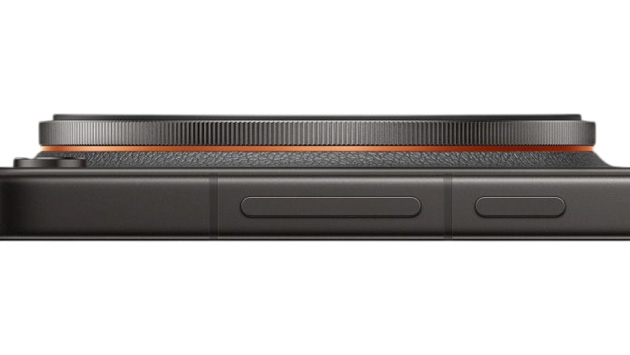
OPPO also made a subtle change to the camera module’s design. The outermost part of the island has a shape that’s close to a hexagon, which kinda reminds you of the design on some Huawei phones and creates a different feel from the last generation.
The use of a combination of durable Gorilla Glass Victus 2 alongside a precisely finished aluminum frame gives the phone a luxurious, high-end feel. The frame is built with high precision and is perfectly integrated and in harmony with the rest of the body.
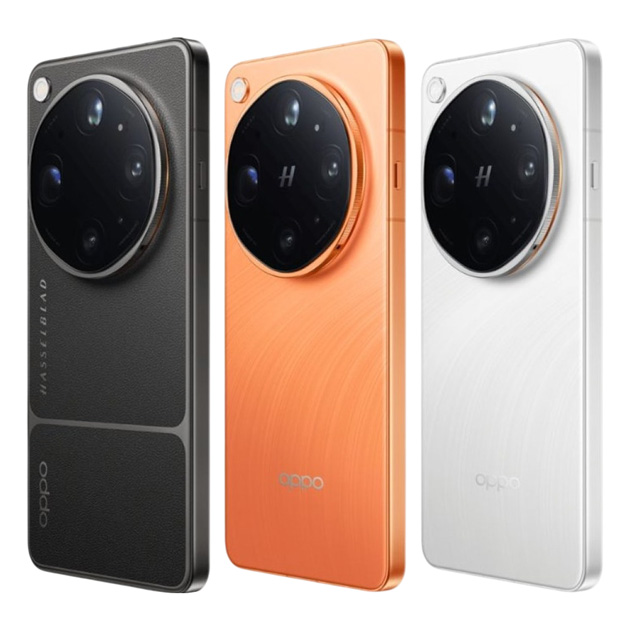
You can buy the OPPO Find X9 Ultra in three colors: Tundra Umber, Canyon Orange, and Polar Glacier. This phone comes in two different versions in terms of back panel material. One has a vegan leather finish and the other is fiberglass. The leather version undoubtedly has a more chic and special look and gives off a more premium vibe, but on the flip side, at 9.1mm thick, it’s about 0.4mm thicker than the fiberglass version. Of course, besides the increased thickness of the camera island, the body itself hasn’t changed much in thickness compared to the last gen.
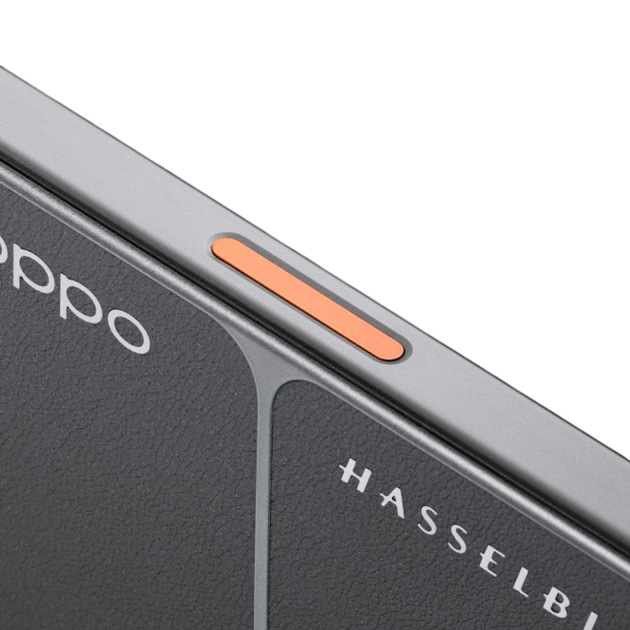
For button ergonomics, OPPO has stuck to its familiar path. On the left side of the frame, we have the Snap Key, and on the right, there’s another shortcut button that can also act as the camera shutter.
The phone’s durability has remained the same as the previous generation. With IP68 and IP69 ratings, it’s still at a high level, and the phone has excellent resistance against water and dust intrusion, which is totally expected for a flagship.
So yeah, guys, as you’ve probably noticed, the Find X9 Ultra doesn’t have a ton of differences in build quality and design compared to its predecessor, and it’s still considered a high-quality, top-tier phone.
As for how the Find X9 Ultra feels in your hand, I have to tell you that because of its large size, this phone isn’t for people with small to medium-sized hands. This phone is seriously huge, even bigger than the vivo X300 Ultra which I reviewed before and said was really big.
Camera
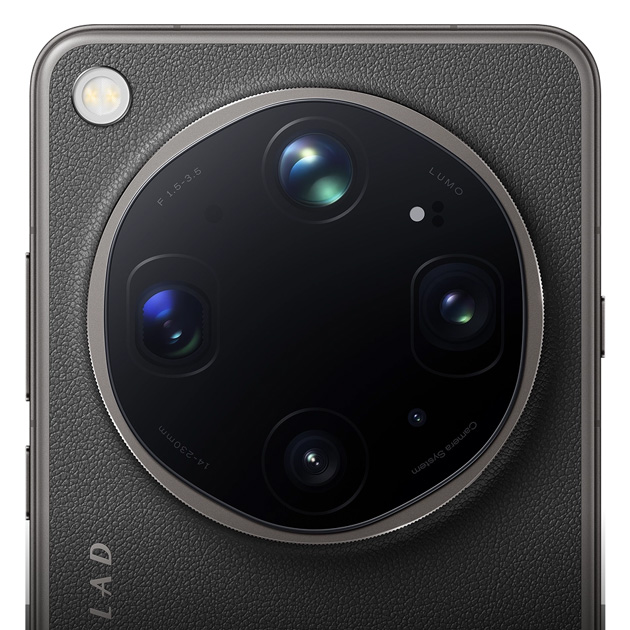
In the camera department, OPPO has equipped the Find X9 Ultra with all sorts of sensors, and I’ll tell you about their specs and functions one by one.
The main camera has a 200MP sensor made by Sony with the code LYT-901. This sensor has a 1/1.12-inch optical format, which means it’s smaller than the previous generation. Of course, when I say smaller, I don’t mean its diagonal is small, not at all. This sensor’s diagonal is 15mm, so it’s still very large.

The lens OPPO used for this camera has 7 elements and gives you a 23mm focal length with an incredibly good f/1.5 aperture. In fact, OPPO has significantly widened the aperture compared to the last generation to make up for the reduced light-gathering ability that happened because of the smaller sensor.
Regarding stabilization, OPPO itself says this camera supports dual-axis stabilization. But it hasn’t explained what level of the CIPA standard it can pass.


The ultrawide camera has a 50MP sensor made by Sony, with the code LYT-600. A positive point here is the larger sensor size, with the diagonal going from 6mm to 8.6mm. The focal length on this camera has changed to 14mm, which has increased the field of view from 120 degrees to 123 degrees. The aperture has remained unchanged and is still f/2.0.


The Find X9 Ultra has made incredible advancements in zoom. This phone is still equipped with two periscope telephoto cameras, and their specs are as follows:
The first periscope camera has a 200MP sensor, which is the OV52A from OmniVision. This sensor has a 1/1.28-inch optical format, meaning its diagonal is 13.2mm. The prism used for this camera is a single-reflection type, and the lens assembly gives you a 70mm focal length, which is 3x lossless zoom. Since the sensor size is much larger than before, going from about 11mm to 13mm, OPPO had to reduce the aperture from f/2.2 to f/2.1 to control the camera bump and, of course, the depth of field.

The stabilization on this camera is a dual-axis optical type, and here too, OPPO hasn’t said anything about what level of the CIPA standard the stabilizer can pass.

But the second periscope camera is more interesting. This camera has a 50MP sensor made by Samsung with the code JNL. Of course, when I say it’s made by Samsung, I mean the base of this sensor was made by Samsung, otherwise, Samsung doesn’t have a sensor called JNL. This sensor is actually the same as Samsung’s JN5, but OPPO has changed everything about it. I’ll tell you about the changes right now.

The lens OPPO used for this camera is a periscope type with a strange design. As you know, when the light path in a lens gets longer, the focal length increases, and this increase means high optical zoom. Now, to achieve very high focal lengths without making the sensor tiny, OPPO has used a new prism. This prism compactly reflects light five times within itself before beaming it to the sensor. All of this work has allowed this lens to achieve a focal length equivalent to 230mm.
Combining this 230mm focal length with a 1/2.75-inch sensor gives you a 10x optical zoom, which is significantly more than the previous generation. Due to the high focal length, the aperture has reached f/3.5. The camera also supports dual-axis stabilization.


But let me tell you what kind of sensor this JNL is because OPPO has really knocked it out of the park here.
First, OPPO changed the structure of the microlenses on the sensor. In normal lenses, light hits the sensor almost directly, but in the Find X9 Ultra, the light has to bend and turn five times before reaching the sensor. If the same regular microlenses from the JN5 were on the sensor, a lot of light would be lost on this long journey. OPPO re-engineered these microlenses so they could effectively gather light from the very sharp and specific angles that result from those five reflections. The result is that this custom sensor captures 170% more light than the sensor in the Galaxy S21 Ultra’s 10x lens.

The second change is the color filter on the sensor. In high-zoom lenses, a flaw called “color shading” occurs, meaning the edges of the photo look paler than the center. OPPO changed the RGB filter layers on the sensor to completely eliminate this problem. Now, the color is perfectly uniform from the center to the edges.

Third, OPPO implemented a dedicated processing engine called the LUMO Super Pixel right inside the sensor. Before the data even goes to the phone’s main processor, this engine performs tasks like increasing sharpness, adjusting dynamic range, and applying Hasselblad colors. It’s as if the sensor does its own smart pre-processing on the raw image.

And finally, it has carried out the assembly process in the most sensitive way possible. OPPO uses a technology called three-axis active calibration. This means that on the production line for each phone, the sensor and lens are automatically shifted in three directions until the best focus and clarity are achieved. This brings the installation error down to zero and ensures every phone performs exactly like the lab sample.

In short, OPPO didn’t just grab a simple JN5 and slap it into the Find X9 Ultra. It redesigned the microlenses, the color filter, the processing brain, and even the installation method. That’s why they call it JNL. It’s the same JN5 family, but with OPPO’s own custom specs.

Finally, the selfie camera sensor has also been upgraded from the 32MP Sony IMX890 to the 50MP Samsung JN5. The lens OPPO used for this camera is no different from the last generation and still supports autofocus.
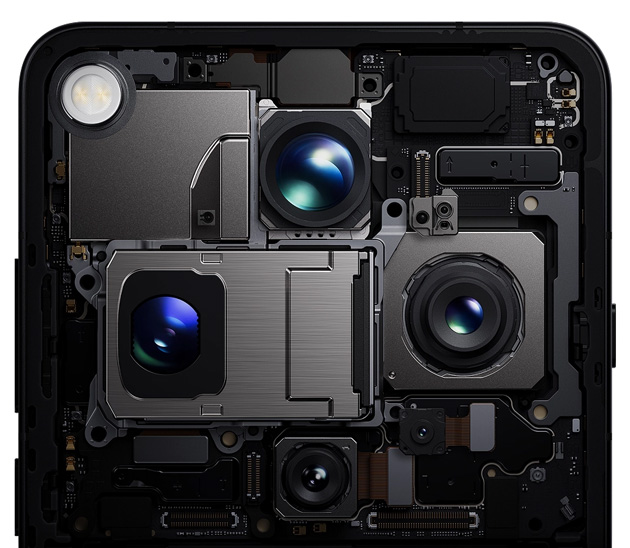
So those are the camera specs, but under that big camera cover, there are some other cool hardware and ideas that help the cameras produce better results.

The first is the phone’s flash. The flash on the Find X9 Ultra is made of two LED units that can produce 140 and 120 lux of brightness, respectively. These two LEDs are combined with two different Fresnel lenses in the back cover and can customize the amount and type of light spread for you at different focal lengths.

The second is a 13-channel multispectral sensor with ambient light sensing capability. The third is a laser autofocus sensor.

But there’s another sensor in the Find X9 Ultra that many people just pass over, but it might be the most important of all, and that’s the Damxia 2.0. This isn’t an ordinary lens that just takes a simple picture. Damxia is actually a multispectral sensor or, in plain English, “a professional light and color meter.” This sensor’s job is to precisely measure what kind of light is dominant in the scene, whether it’s sunlight, a warm lamp, or a combination of both. Then it tells the other cameras how each color should be seen.

The first generation of Damxia had sixteen or seventeen spectral channels, but the second generation of Damxia has reached 24 channels. This means its understanding of color and light is much more accurate. Since its energy consumption is also 80% lower, it can always be on, even during video recording and live photos. But what are its two key features that are really noticeable?
The first is the second-generation regional algorithm. This means the sensor has learned to distinguish between the color of the main subject and the background. For example, imagine you’re taking a photo of a gold necklace behind a red display case. A normal camera would mix the red and yellow and give you an orange photo. But Damxia says: no, the background color is red, the main subject’s color is gold, now let’s remove that redness from the photo. The result is that the gold looks precise and shiny.
Its second feature is that it has now reached a 15-stop dynamic range. This means it can simultaneously preserve details in the darkest and brightest spots. This way, the white clouds in the sky don’t get blown out, and the shadows under a tree are easily visible. In short, Damxia is what guarantees the colors in your photos are exactly what you see with your own eyes, especially in difficult and mixed lighting.
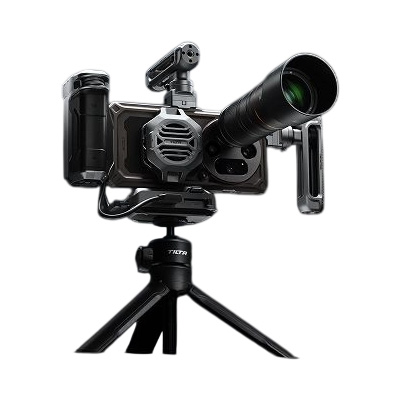
So not only are the cameras extremely advanced in terms of hardware, but they also have very advanced assistants to capture the best possible images.

But what’s my personal opinion on the Find X9 Ultra? Well, I have to tell you, I’ve truly fallen in love with it. This phone has an attractive design, its features are incredibly high-end, and it has everything a phone that has it all should have.
Display & Sound
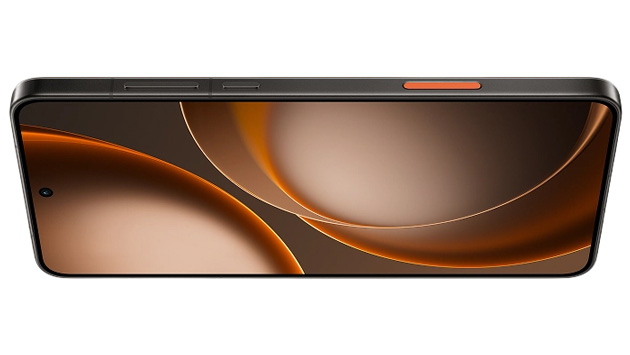
On the Find X9 Ultra, OPPO is still using a 6.82-inch LTPO AMOLED display, which is the X3 type made by BOE. This panel has a 2K resolution, its refresh rate can go up to 144Hz, it supports all HDR and Dolby Vision standards for photos and videos, and the screen can flicker at a frequency of 2160Hz.
You’re probably wondering now if the refresh rate is the only upgrade from the last generation or if there have been other changes. Well, I’ve got to tell you that OPPO has used the new generation of BOE displays, which it calls X3. Now I want to tell you what improvements it has.
In its new generation of displays, which it calls X3, the company BOE has used a new material compared to the previous generation, the X2. This material has increased the display’s lifespan by 30%, reduced battery consumption by 10%, increased manual brightness by 30%, and made colors appear 12% more accurate.
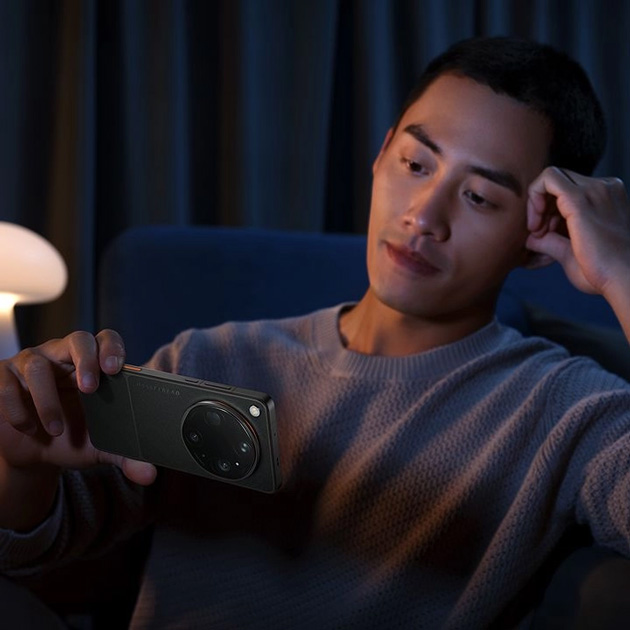
On top of that, this display can lower its brightness all the way down to 1 nit without messing up the colors one bit. Its bezels have also been reduced to 1.15mm. Its internal chip has been changed from P2 to P3, and finally, it’s managed to be the first display to receive the TÜV Rheinland Intelligent Eye Care 5.0 gold certificate for eye protection. All of these things are telling us that the Find X9 Ultra’s display is one of the best out there.
Speaker
The speakers on the Find X9 Ultra are a massive leap forward from the previous generation. The speakers are still made by AAC Technology, just like before, but the model is different and has been upgraded to the 1015X. This speaker supports a full cavity plus an N-bass enhancement material, which makes the sound output several levels better.
Another positive point in this department is that the top speaker, which used to be a lower-end speaker, has now been replaced with this same 1015X model, which is from the company’s master series of speakers. This means the top and bottom speakers are now identical, giving you a much higher-quality output than before.
Battery & Charger
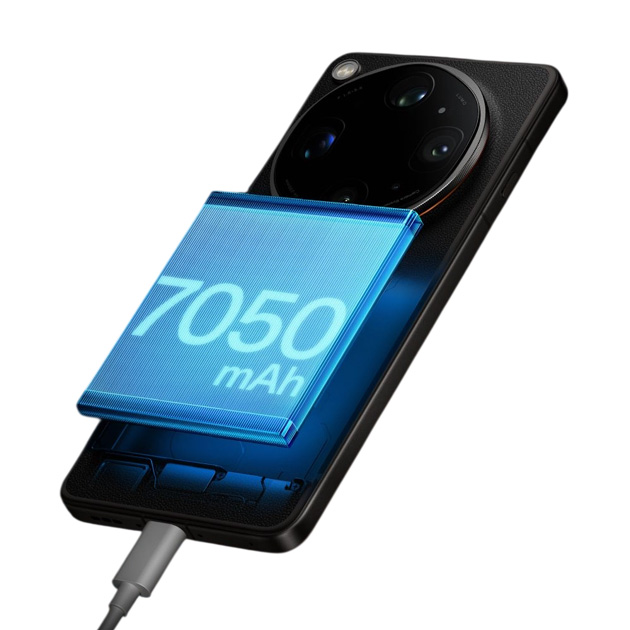
OPPO has used a massive 7050mAh silicon-carbon battery in the Find X9 Ultra. Unlike the previous generation, this battery is single-cell, but this time it uses two connectors.
There’s a 100W charger in the box that gets this battery from 0 to 100% in less than an hour. It also supports 50W wireless charging and 10W reverse wireless charging.
Performance
In the Find X9 Ultra, OPPO uses Qualcomm’s latest flagship, the Snapdragon 8 Elite Gen 5. This chipset is incredibly powerful in the areas of imaging and artificial intelligence, which this phone really needs, and it gives you extremely high-quality results.
Additionally, you can get this flagship in several configurations that are released to the market, including 256GB-12GB, 512GB-12GB, 512GB-16GB, and 1TB-16GB. As for updates, OPPO has said that this phone will receive 5 years of Android updates.
I’ve got a bunch more photos from the Find X9 Ultra for you right here. I didn’t want to clutter the camera section with too many images, so I figured I’d just drop them at the end. This way, you can check out how it performs in all sorts of different conditions.