Today I want to review the X300 Ultra, which is basically the final boss of this series. vivo has improved almost every single part of this phone compared to the last gen. Let’s see exactly what kind of beast we’re dealing with here.
Design
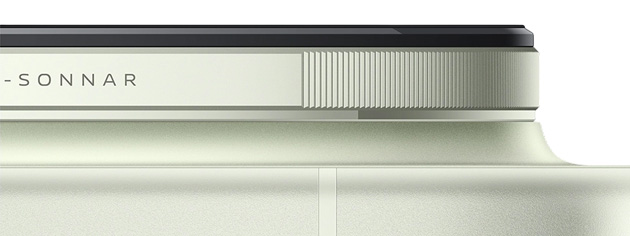
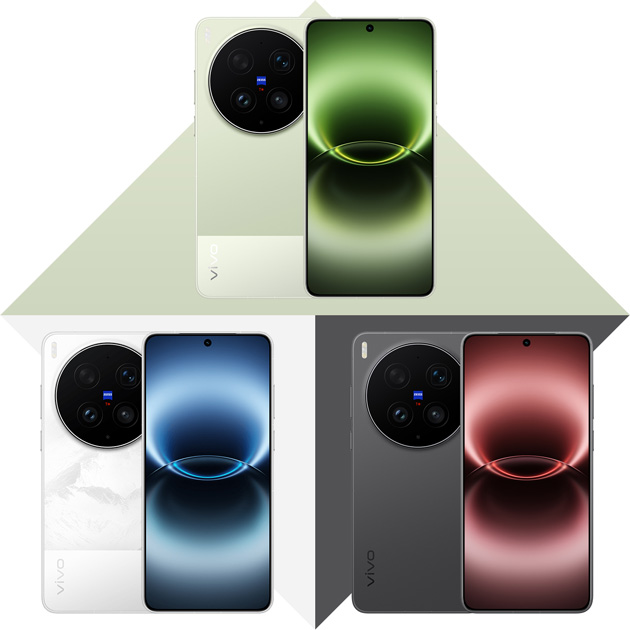
At first look, the X300 Ultra hasn’t changed much in terms of design compared to the X200 Ultra, and the changes are very minor. Because of this, you really have to look closely to notice them. The first change that catches your eye is the thinner ring around the camera island and the changed orientation of the telephoto camera, which is probably due to changes in the underlying structure of the cameras.
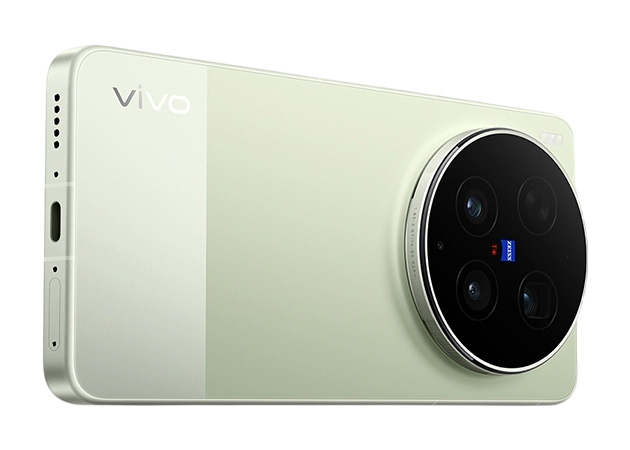
From the side profile, aside from the removal of the physical shutter button, the camera bump is still huge like before. But it’s not like the X200 Ultra where the entire bump was just the island itself. On the X300 Ultra, this bump is somewhat masked by the curved back cover around the camera, which overall gives the impression of a smaller bump. Mind you, the bump is still massive. This trick just makes you feel like it’s smaller than the previous gen at first glance.
On the front, vivo has used a flat protective glass for this Ultra model just like the X300 and X300 Pro, and you guys already know the pros and cons of that. The frame is made of aluminum, and the front and back glass panels haven’t changed. It still has IP68 and IP69 certifications, meaning it’s resistant to dust and high-pressure water from all directions for 30 seconds.
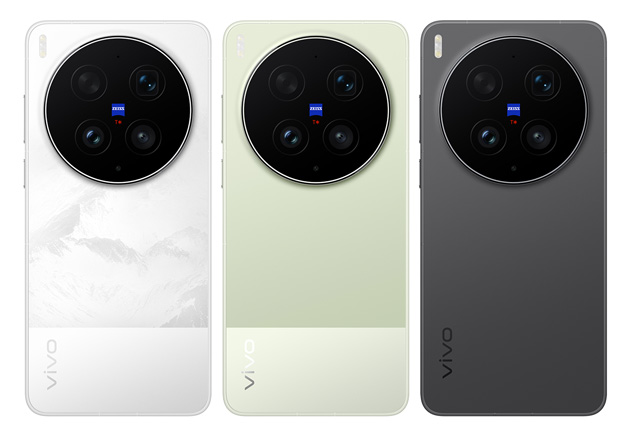
The X300 Ultra colors are green, white, and black, which are eye-catching and offer a good variety for every taste. The black one is simple and just has a red ring around the camera island. The green one has a dual-tone finish which I really love, and the white one, besides being dual-tone, has a pattern on the upper part that reminds me of the Huawei P60 Pro.
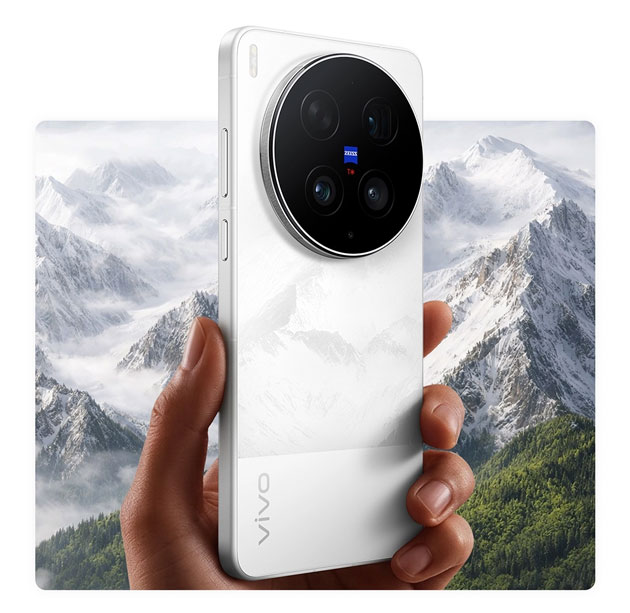
Weighing between 232 and 237g, the X300 Ultra hasn’t gotten any lighter, but its thickness is 0.2 to 0.5mm (8.2mm or 8.5mm) less than the previous generation depending on the version you choose.
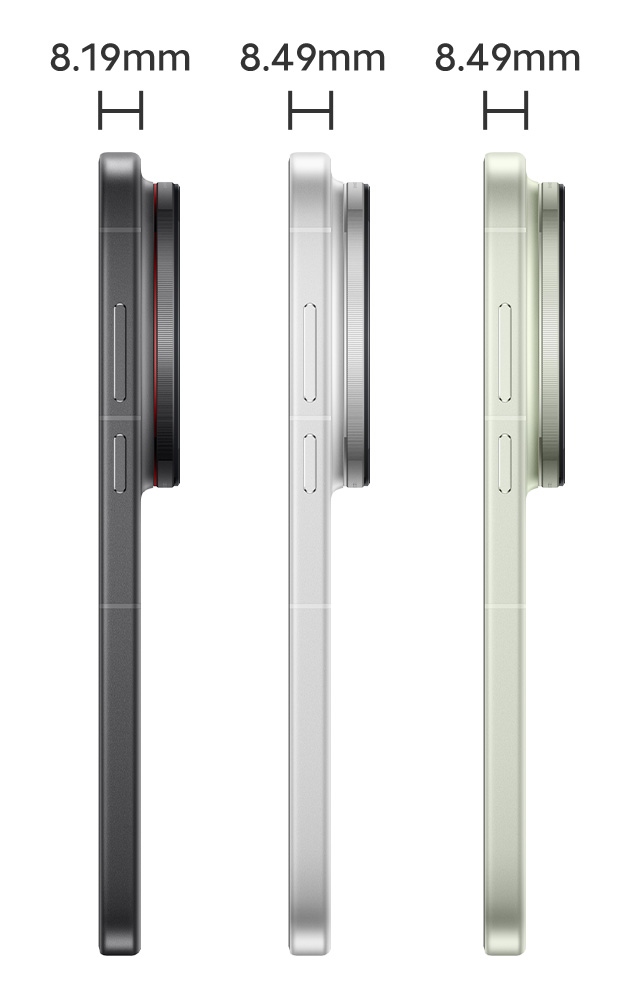
I can say the X300 Ultra doesn’t feel much different in the hand compared to the X200 Ultra. It’s still a big and heavy phone, which might make it a bit hard to use for people with normal or small hands.
Camera
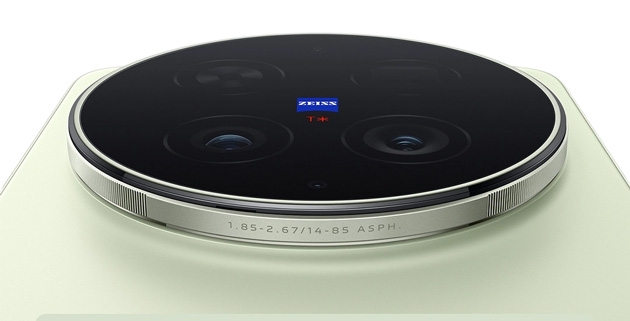
This is where the phone really shines! Now, aside from the wide, ultrawide, telephoto, and selfie cameras, the X300 Ultra also uses a 5MP Blueprint camera, which essentially replaces the color spectrum sensor from the last generation. But this replacement isn’t just a simple hardware upgrade, it’s a fundamental change in the color recognition architecture.
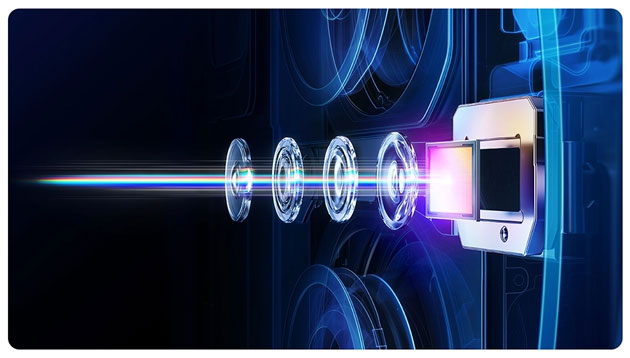
The old color spectrum sensor was a point sensor that could only detect the overall color composition of the ambient light and feed that single number to the camera algorithm. But the new Blueprint sensor is an image sensor, meaning it scans the entire scene across 12 different color layers, and its output is a 5MP image with 12 distinct spectral channels.
You might ask what impact this has in practice. Let me give you an example so you fully get it. Imagine you’re photographing a scene where a red apple, a red cloth, and a red flower are placed next to each other, and they’re all under the yellow light of a house lamp.
The old color spectrum sensor just looks at the whole scene and says the overall light is yellow, and sends this message to the main camera. The main camera then removes the yellow tint from the whole image, and the result is that the apple, cloth, and flower all end up with the same lifeless red color.
But the Blueprint sensor takes a 5MP, 12-color-layer photo of that same scene and realizes that the spectral signature of the apple is different from the cloth and the flower. Then it tells the main camera’s algorithm to show each of these objects in their true color, even if they’re all under a yellow light. Just like that, color fidelity on the X300 Ultra has reached a level we’ve only seen in professional cameras before.
Plus, since the camera now has new and more useful data, it gives you much more freedom for different effect modes while shooting.
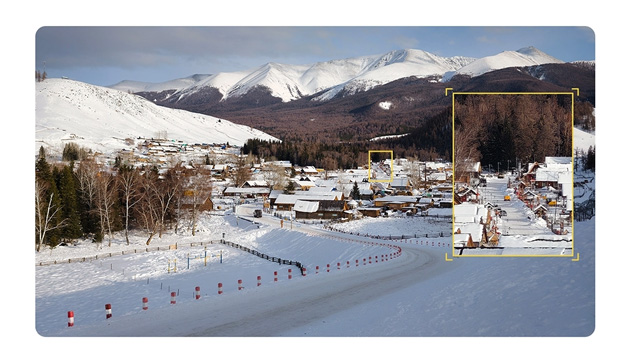
Now let’s move on to the usual cameras. The main camera has a 200MP sensor, which is still made by Sony but has been upgraded to the LYTIA 901. Its optical format is 1/1.12 inches, which is massive and even bigger than the last generation. To give you an idea of how big it is, the diagonal line of this sensor is nearly 15mm!
The lens vivo used for this camera is a 7-element Attraction lens, made of 6 plastic pieces and 1 glass piece. But that’s not the whole story! vivo says these seven lens elements are made of new materials and can reduce light reflection by up to 20%. Keep this in mind, I’ll talk more about it down below.
The focal length of this camera’s lens is 35mm, which is exactly like the X200 Ultra. The phone’s aperture has actually taken a step back, going from f/1.69 to f/1.85. The reason for this is that since the sensor used for the X300 Ultra is larger, opening the aperture wider would make the depth of field too shallow and increase the camera bump. Because of this, vivo preferred to compensate for the lower light intake caused by the aperture by using new materials for the lens.
Alongside all this, vivo has also improved the image stabilization, and this camera can now pass level 6.5 of the CIPA standard. The previous generation was at level 5.

On paper, the ultrawide camera’s specs don’t look any different from the last generation. This camera has a 50MP sensor made by Sony, coded LYTIA 818. The lens in front of this sensor has an equivalent focal length of 14mm and an aperture of 2. But when you look closely at the details, you’ll see that the optical image stabilization on this camera has improved compared to the last gen, reaching 2 degrees, which allows it to pass level 6 of the CIPA standard. You might want to know that the last gen only managed to pass level 5.
The telephoto camera also looks identical to the previous generation on paper, but here too, when you dive into the specs, you’ll notice a few differences.
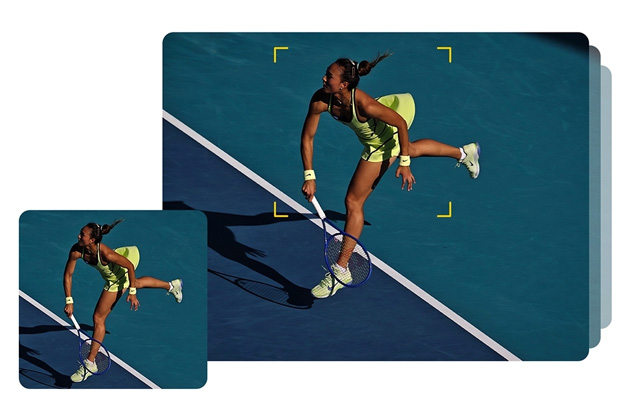
First, this time vivo has used the HP0 sensor instead of the HP9. The dimensions of this sensor are the same as the HP9, but it consumes less power and the focus pulling is much better. vivo itself claims this sensor can update focus up to 60 times per second, which is a very high number.
The second difference is the lens. The lens vivo used for this camera is still a single-reflection periscope type, giving you an equivalent focal length of 85mm. The aperture of this camera’s lens has taken a step back compared to before, going from f/2.27 to f/2.67, which means its light intake is weaker. But in return, the optical image stabilization has been upgraded to 3 degrees, allowing this camera to pass level 7 of the CIPA standard. This means a 2-step improvement over the previous generation, which is a fantastic upgrade.
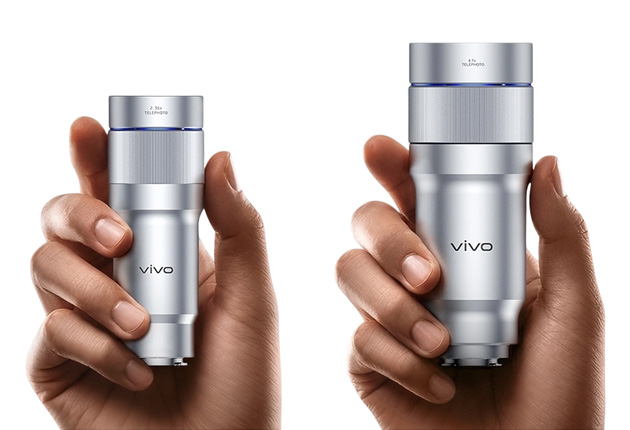
As you saw, the cameras themselves are truly high-end in terms of hardware specs. But alongside this phone, vivo also introduced two external lenses called vivo Zeiss G2 and vivo Zeiss G2 Ultra. These two lenses give you equivalent focal lengths of 200mm and 400mm respectively.
Now let’s take a look at the specs of these two lenses. Okay, I’ll start with the base model, the vivo Zeiss G2, which has an equivalent focal length of 200mm. This means if you combine this lens with the phone’s own 85mm lens, which is the main telephoto, it reaches an equivalent focal length of 200mm, which equals 8.7 times optical zoom. This means you can take a full-resolution 200MP photo at a 200mm focal length. I don’t think I need to explain how insanely sharp and detailed that is.
This lens is made of 15 glass elements, giving you incredibly high optical quality. The body length of this lens is only 98 millimeters and it weighs 153 grams, which is considered very compact and lightweight for a 200mm super telephoto.
Regarding its stabilization performance, I have to say that in these modes, the 3-degree optical stabilization of the phone’s 85mm lens remains active and gives you level 6.5 of the CIPA standard. This means you can even shoot handheld video without a tripod at a 200mm focal length.

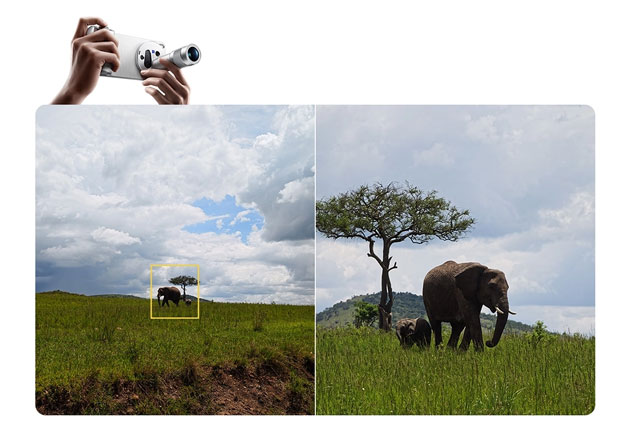
The next model is the vivo Zeiss G2 Ultra. This one has an equivalent focal length of 400mm, meaning double the base model! Basically, with the phone and this external lens, you’re stepping into the territory of professional super telephoto cameras. This lens is perfect for wildlife photography, distant sports, and anywhere the subject is very far away. As for its features, I should mention that when combined with the phone’s own telephoto, this lens gives you a total optical zoom of 17.4x. Now, since the focal length is huge here, the stabilization drops to level 4.5 of the CIPA standard, which is honestly still really good.

By introducing these two lenses, vivo has practically turned the X300 Ultra into an imaging beast that can eliminate your need for a dedicated camera in many situations.
Display & Audio
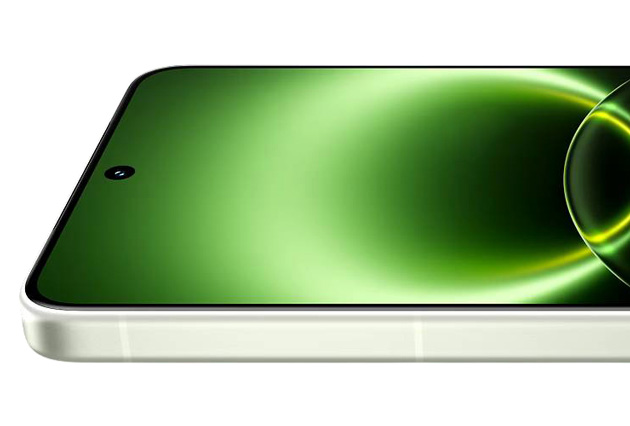
The display vivo used for the X300 Ultra is still 6.82 inches in size and it’s an AMOLED panel. This Q10 Plus display is supplied by BOE.
The refresh rate on this display can now reach 144Hz, which is an improvement over the previous generation. The flicker frequency of the display on this panel works like this: when the refresh rate is 120Hz, it’s 2160 Hz, and when the refresh rate hits 144Hz in different scenarios, it changes to 2592Hz.
The combination of this flicker frequency along with circular polarized light and full-brightness DC dimming ensures that eye strain is kept to an absolute minimum.
Guys, aside from the things I just mentioned, the display specs haven’t changed much from the last generation, which is totally normal because the X200 Ultra’s display was already fantastic, and there was no need for fundamental changes.
But what about the speaker? The X300 Ultra still rocks a stereo package. It works with one speaker at the bottom and one at the top of the phone. The bottom speaker isn’t much different from the last gen, but the top speaker has changed. This time vivo used a speaker with a larger driver, which improves the volume and quality, somewhat fixing one of the things that was a bit disappointing on the X200 Ultra.
Battery & Charger
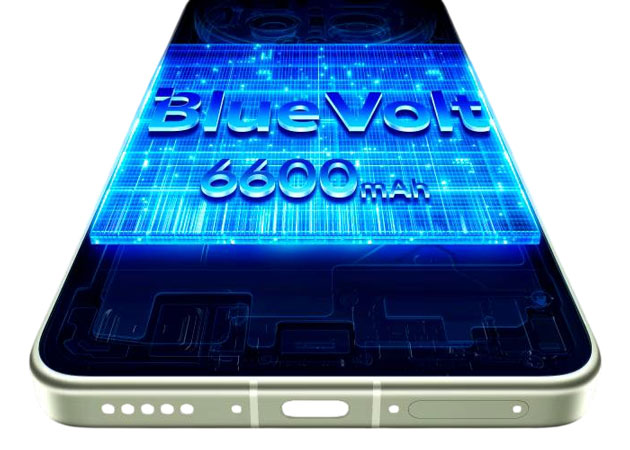
I think they’ve made some good progress in this section! Because the vivo put a 6600mAh battery inside the X300 Ultra, which is a 600mAh increase in capacity compared to the last generation.
The in-box charger has also been upgraded and now reaches 100W. The bright side here is that after two years, vivo has finally gone back to a Type-C to Type-C charging cable. If you remember, after the X100, the Type-C to Type-C cable was dropped, but well, it’s back again.
Performance
The chipset vivo used in the X300 Ultra is the Snapdragon 8 Elite Gen 5. I don’t think I even need to explain how powerful this chipset is, because we’ve already seen what a monster it is in several different phones. Besides this, you can get this phone in four versions, ranging from 256GB to 1TB of storage, and 12GB to 16GB of RAM.