Samsung Galaxy S25 is basically the baby of the 2025 flagship family. To be honest, if you look at the screen, battery, build quality, and even the cameras, it’s almost a carbon copy of the S24. The real big deals here are the jump to the Snapdragon 8 Elite chip and a slimmer design that makes it feel much better in your hand. So, is it actually worth your money? Stick around and let’s dive into this S25 review to find out.
Design & Build Quality
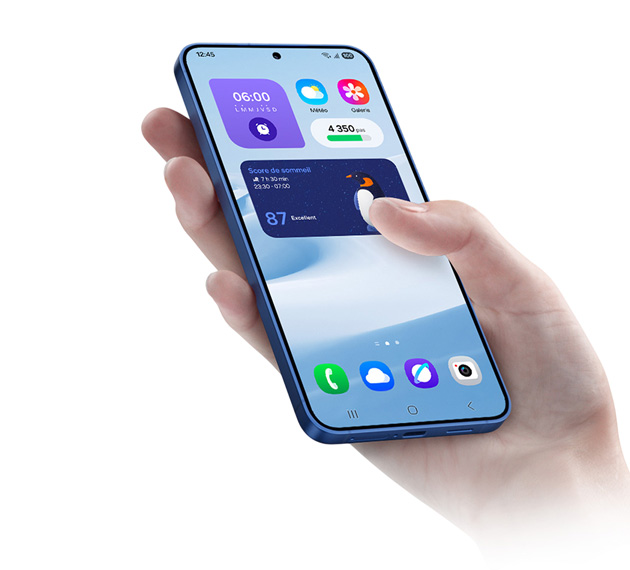
The Galaxy S25’s design hasn’t changed much, which isn’t necessarily a bad thing since the previous gen was already pretty solid. The first thing you’ll notice when you pick it up is how light it feels. At 162 grams and just 7.2mm thick, it’s noticeably thinner and lighter than the S24. It actually feels more premium and comfortable for daily use. Fun fact: it’s even lighter than the newly released Galaxy S26.
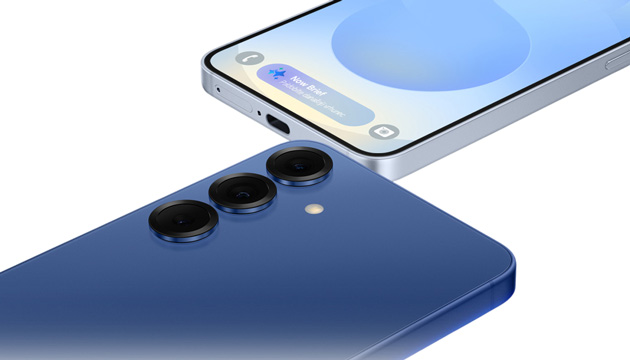
Everything is flat; the frame, the back, and the front, except for the camera bumps. The three lenses stick out a bit less than before, but there’s a tiny gap between the lens cover and the body that loves to collect dust. It’s a nightmare to clean; you’ll probably need a needle to get the gunk out. That really annoyed me, and I guess that’s why they changed the camera look on the S26 this year.
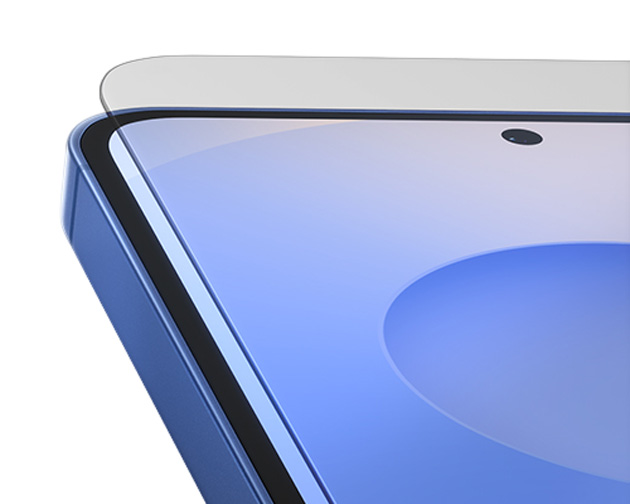
You’ve got Gorilla Glass Victus 2 on both sides and an Armor Aluminum 2 frame. Samsung says it’s tougher, but let’s be real, it’s still just aluminum.
The placement of things on the frame hasn’t changed. The SIM tray, Type-C port, mic, and speaker are still at the bottom. The right side has the power and volume buttons. Up top, you’ll see two more mics, and the left side is completely empty.

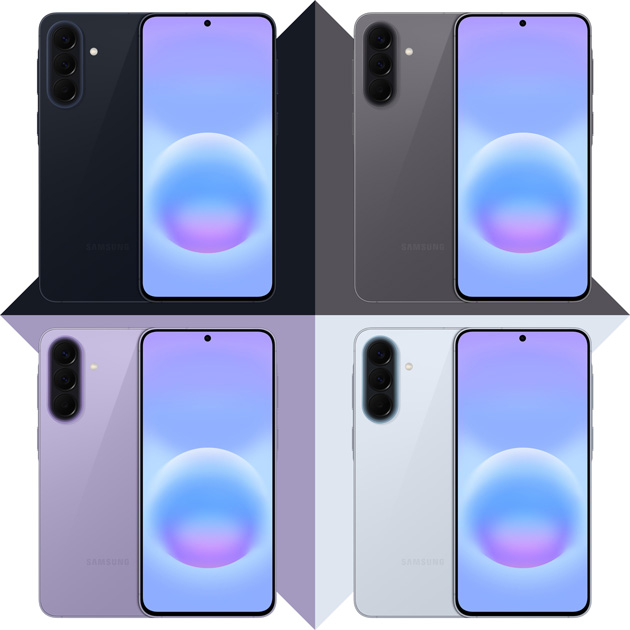
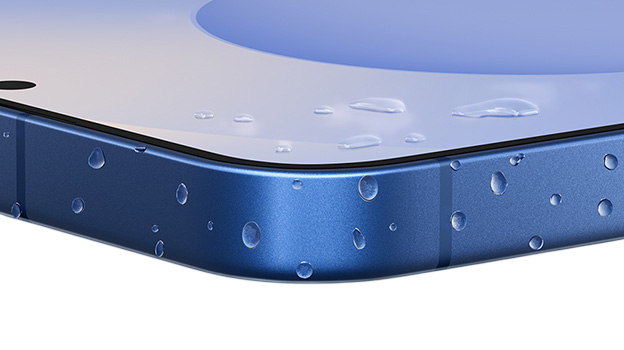
You can get Galaxy S25 in seven colors: Blue Black, Silver Shadow, Navy, Coral Red, Icy Blue, Mint, and Pink Gold. It also has an IP68 rating, meaning it’s waterproof up to 1.5 meters for 30 minutes. This isn’t quite at the IP69 level of some other flagships, but it’s still good and practical.
On the downside, unfortunately, the screen on the S25 and S25 Plus doesn’t have the anti-reflective coating like the S25 Ultra, and that’s a bit annoying for a flagship phone. You probably know why Samsung did this, so I don’t need to spell it out.
Display
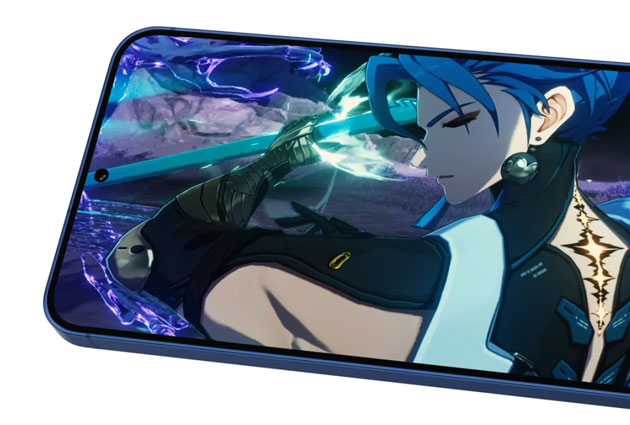
Let’s talk about the Galaxy S25’s screen. It’s a 6.2-inch Dynamic LTPO AMOLED 2X panel with a 1 to 120Hz refresh rate. It hits 2600 nits of brightness and supports HDR10+.
One thing to keep in mind is that this model is still stuck at FHD+ resolution, while the Plus version gets QHD+. Since the screen is smaller, it’s not a dealbreaker, but if you’re a pixel nerd, you might want to look at the Plus or Ultra.
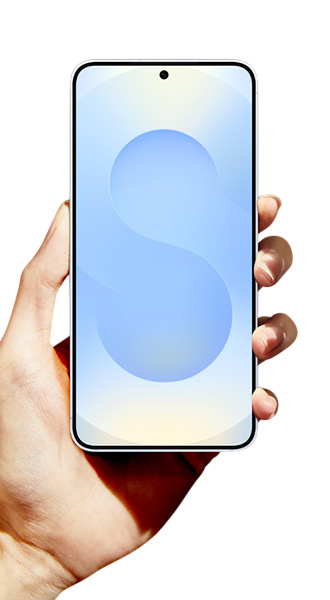
The bezels are thinner than the previous model, so the screen covers about 92% of the front.
Even though it lacks the anti-reflective coating of the Ultra, the display is really good. You can see content clearly outdoors under direct sunlight, the refresh rate is variable, and the colors look amazing.
Performance
Samsung used the Snapdragon 8 Elite chip for the Galaxy S25 in all markets globally. It’s an incredibly powerful processor. I installed a few heavy games on this phone and ran them on the highest settings. A lot of the time, I got well over 60fps, the phone didn’t overheat, and the performance was stable, which is awesome.
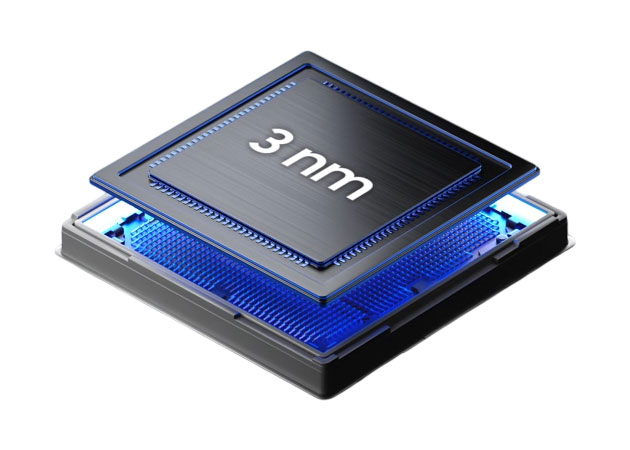
The RAM has been bumped up from 8GB in the last generation to 12GB for the S25. This definitely plays a huge role in improving the phone’s overall performance. For storage, the base model is 128GB, and there are 256GB and 512GB options out there too.
Battery & Charger
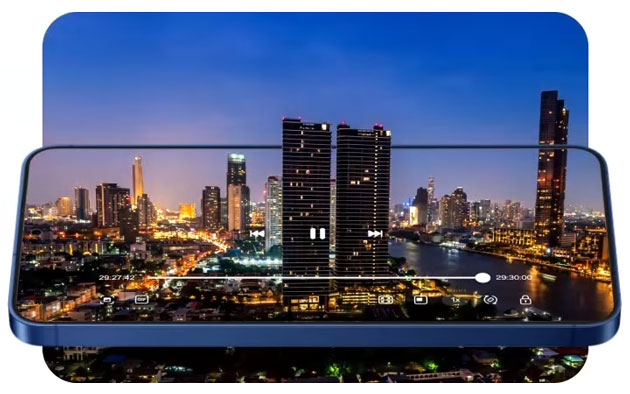
Just like the last generation, the Galaxy S25 has a 4000mAh battery, but it’s much more power-efficient. In my test, it took 15 hours of web browsing to drain the battery, which is almost 2 hours more than the S24.
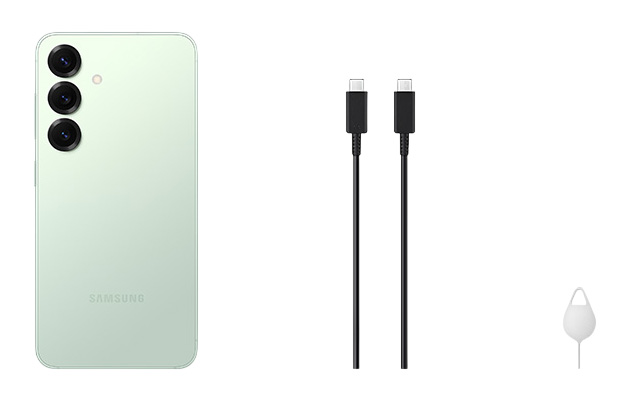
It supports 25W wired charging and 15W wireless charging. You can also reverse wireless charge your friends’ phones at 4.5W. I probably don’t need to tell you that there’s no charger in the box, so you’ll have to buy one.
Camera
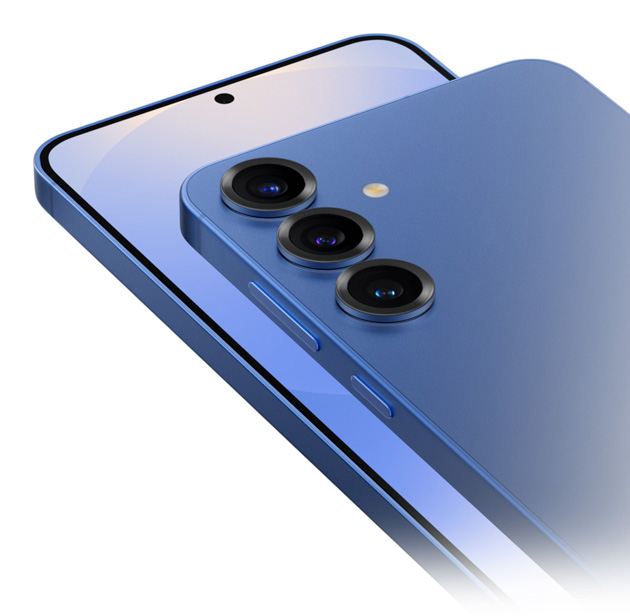
The Galaxy S25 doesn’t have any hardware changes in the camera department compared to the last generation, so we’re looking at the same setup. A 50MP main camera, a 12MP ultrawide, a 10MP telephoto with 3x optical zoom, and a 12MP selfie camera. However, Samsung claims the S25 takes better low-light photos and uses the ProVisual image processing engine to boost photo quality.

The main camera takes 12MP photos by default. The pictures from the main sensor are good quality and not much different from the last generation, except for one thing. The photos are processed a bit less, making them look closer to reality. The contrast is great, and the colors are exactly what you’d expect from a flagship. But that’s just the main camera. When you look at the whole camera package, you realize it’s falling behind some of its rivals.

The S25’s ultrawide camera hasn’t changed much from the S24 either, unlike the S25 Ultra. This is the weakest point of the phone compared to the competition. A lot of other brands are using higher-resolution sensors for their ultrawide cameras. You can still take cool photos with this camera, but only if the lighting and everything else is perfect.
Also, almost all rival flagships have a telephoto camera with 5x zoom, so the S25’s 3x telephoto zoom is a bit underwhelming. The colors look a little more washed out compared to the other sensors too. I will say, though, that one thing that got better in the S25 series is the color processing in selfies.

The photos you take with the selfie camera capture more detail compared to the S24, and skin tones look more natural and realistic.
As for night shots, the ultrawide camera isn’t great. The main camera is relatively good and takes decent photos in night mode, but there’s still a lot of noise. Honestly, I didn’t see much of an improvement in night photography. I think the S25 Ultra is the best of this Galaxy series at night, while night shots from the S25 and S25 Plus end up a bit noisy.
For video, the main camera records in 8K at 30fps, but I don’t recommend using it because the file sizes are massive and the quality doesn’t look much different from 4K. I suggest shooting in 4K at 60fps and just enjoying it. The quality is good, the colors are natural, the dynamic range is acceptable, and the stabilization works really well.