After several generations of trial and error, the Samsung Galaxy Z Fold 7 has finally hit its stride. It’s reached a level of maturity where I can confidently say there are no more deal-breaking flaws. With its new, thinner design, it’s finally as ergonomic as it is impressive.
But it’s not perfect. I’m not here to recite Samsung’s marketing slogans or a spec sheet; I’m going to put this $2,000 folding beast under the microscope, from its real-world battery life to those upgraded cameras. Is it actually worth the price tag? Let’s find out in this unbiased Galaxy Z Fold 7 review.
Design: Thinness is the Name of the Game
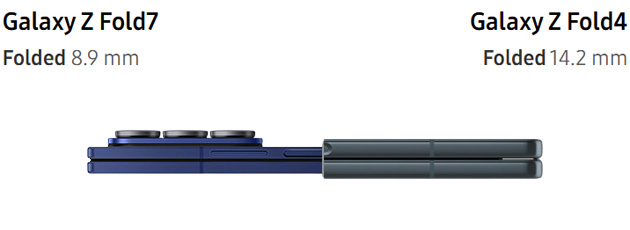
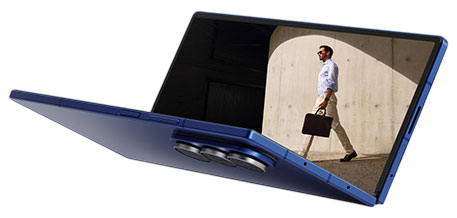
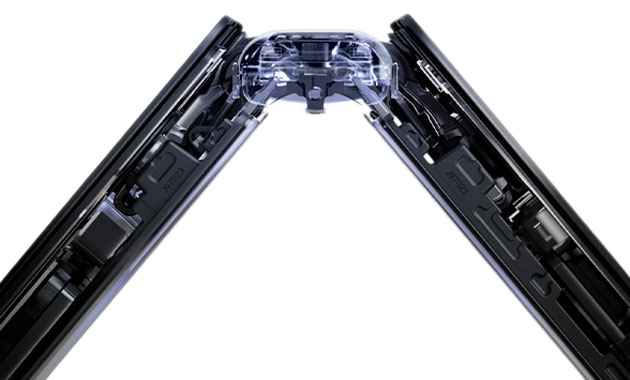
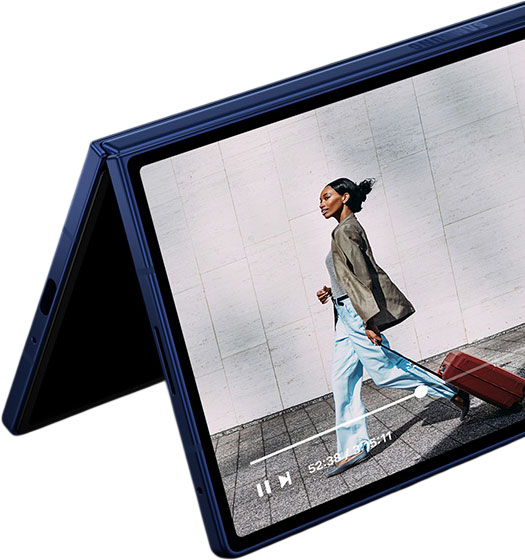
The first thing you’ll notice about the Z Fold 7 is how insanely thin it is. It’s not just a gimmick; it genuinely makes the phone look better and feel great in the hand. Samsung also upgraded the hinge, which now feels like one seamless piece.
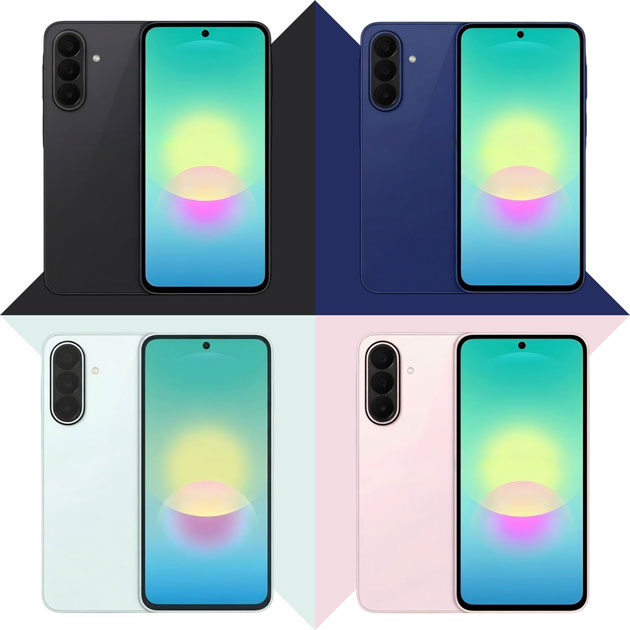
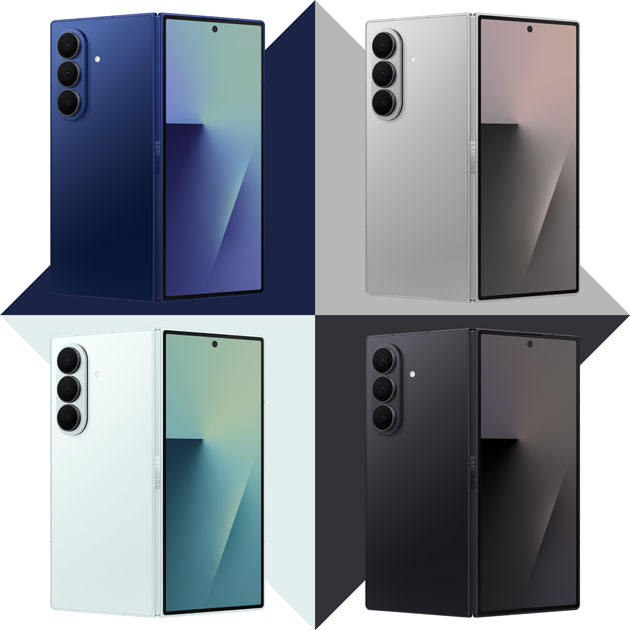
You can get the Galaxy Z Fold 7 in four colors: Blue Shadow, Jetblack, and Silver Shadow. But heads up: if you’re feeling that Mint version, it’s a Samsung.com exclusive.
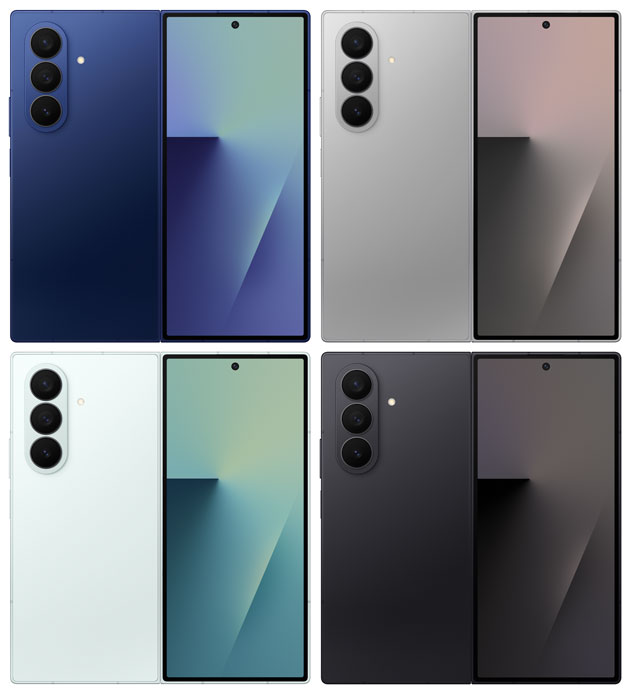
Get this: the Z Fold 7 weighs only 215 grams. To give you a better idea of how light that is, just know it’s lighter than the S25 Ultra! For a foldable with two massive screens, that’s a huge engineering win. When closed, it’s a sleek 8.9mm thick (26% thinner than before). The cover screen is wider too, moving away from that awkward “remote control” aspect ratio of previous years. You get a 6.5-inch display with a 90% screen-to-body ratio and super slim bezels.
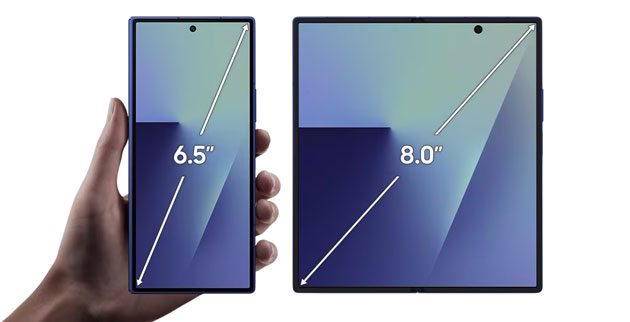
When you flip it open, the 8-inch main display is where the magic happens. But the real shocker? It’s only 4.2mm thin. Honestly, if it were any thinner, Samsung would have to remove the USB-C port and go full wireless charging.
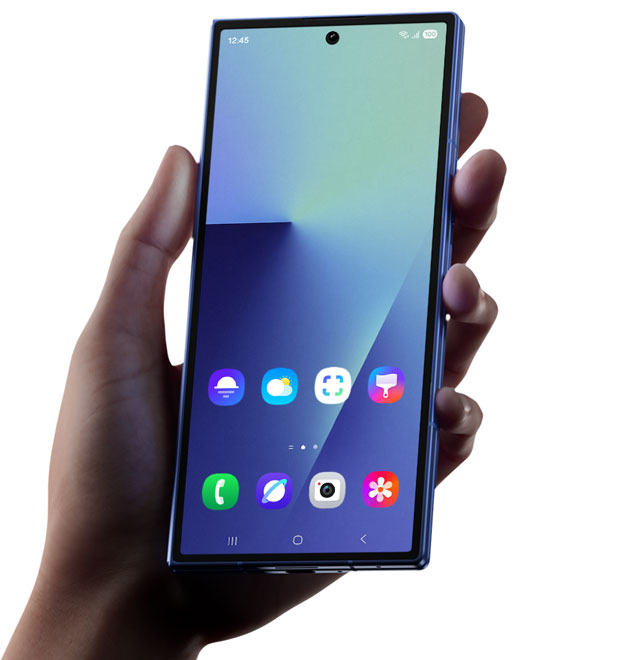
Beyond the slim profile, it keeps the IP48 rating from the previous model, which is great for water resistance, but unfortunately, it’s still not fully dust-proof, so maybe keep it away from the beach, sand is still its worst enemy.
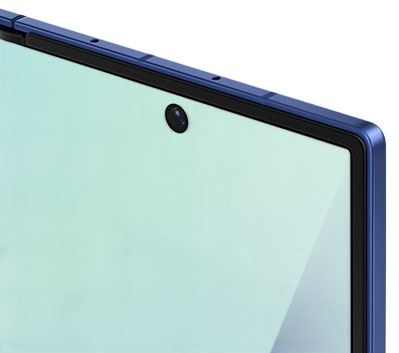
One step back: Samsung ditched the under display camera for a traditional 10MP punch-hole on the main screen. Sure, your video calls look way better than the old 4MP sensor, but you lose that uninterrupted look.
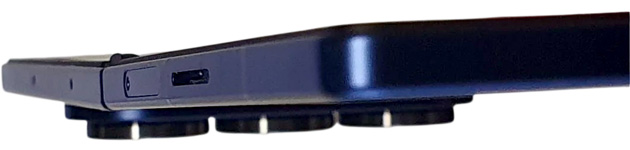
Is perfection too much to ask for at this price? The screen doesn’t open a full 180 degrees; it’s more like 175. While it’s barely noticeable in daily use, for a premium flagship like the Z Fold 7, you’d really expect it to lay perfectly flat.
Display: Bigger, Brighter, Better
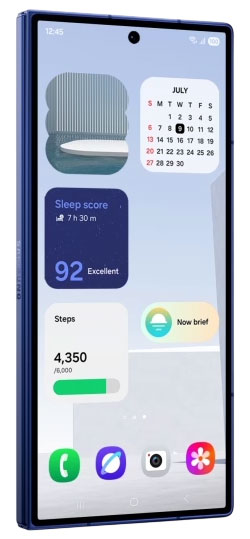
Samsung finally listened! One of the biggest upgrades on the Galaxy Z Fold 7 is that outer screen. They’ve ditched that 6.3-inch 22:9 panel for a 6.5-inch 21:9 display. It feels way more like a normal phone, kind of like the S25 Ultra. Typing or scrolling through Instagram isn’t a pain anymore.
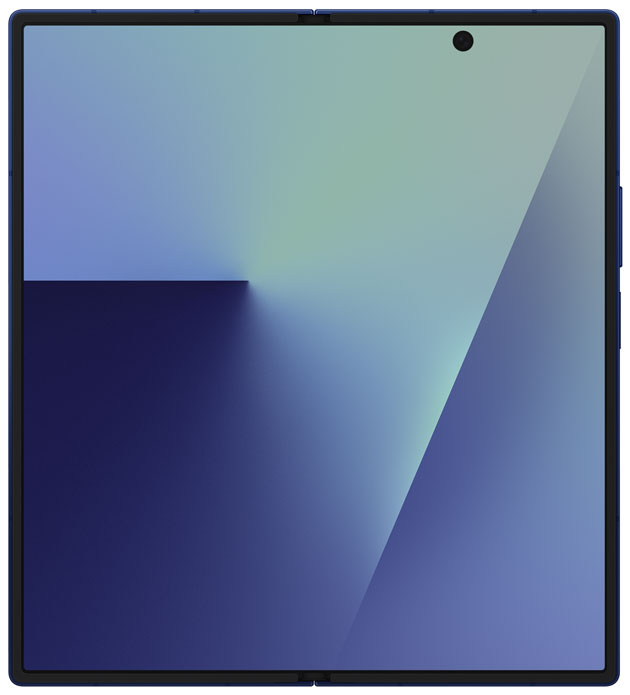
When you flip it open, you’re looking at a boxier 8-inch panel that gives you a real tablet vibe for multitasking. Yeah, the crease is still there, but it’s honestly way less noticeable than before.
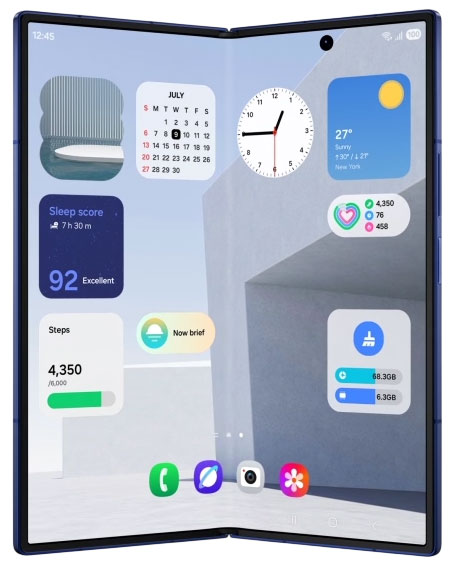
Both screens hit a peak brightness of 2600 nits, so direct sunlight is no problem. You get the 1-120Hz adaptive refresh rate for smooth scrolling and HDR10+ support. My only question is: why is Dolby Vision still missing, Samsung?
Speakers

Another victim of the thin design is the speakers. They’re still stereo, but the sound’s shallower and has less bass compared to the Z Fold 6. They’re fine for YouTube or Netflix, but the audio lacks the depth of the previous model. They’re clearly weaker than the S25 Ultra’s speakers.
Battery & Charging: Efficiency vs. Stubbornness

Alright, let’s talk about the battery. Like the previous model, the Galaxy Z Fold 7 has a 4400mAh battery, but it consumes power more efficiently. In average daily use, it lasts about an hour longer than the previous model. You won’t need to recharge during the day, or at most, you’ll head for the outlet late at night. An hour of Call of Duty drains less than 15%, and an hour of web browsing takes about 10%. It’s really good in terms of optimization.
As for the charger, I’m surprised the Z Fold 7 only supports a maximum of 25W. A full charge takes about 1.5 hours. Competitors are offering massive 6000+ mAh batteries with 100W charging that fills up in half an hour, but Samsung’s still stuck at 25W! This is definitely one of the phone’s weaknesses.

This phone doesn’t have internal magnets for Qi2, meaning you’ll need a specific case to use magnetic wireless chargers and accessories. For a $2,000 flagship released in 2025, that might be a big flaw. One could argue that adding magnets would have increased the weight, but at this price, it’s a tough pill to swallow.
Camera: Finally, at the Flagship Level
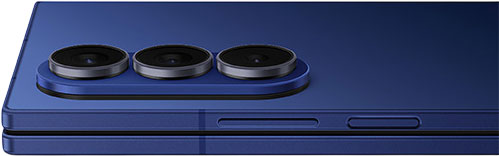
The biggest disappointment with previous Folds was the camera. You’d pay flagship money but get a “good but not great” camera system. It seems Samsung’s heard us because the Galaxy Z Fold 7 features a 200MP main sensor, the same one found on the S25 Ultra. Photos in good light are sharp and full of detail, but the real win is low light. With 44% better light absorption, the results finally look like they belong on a $2,000 phone.
The other cameras, however, remain mostly unchanged. The 10MP ultrawide camera with autofocus is decent and now takes macro shots (a feature missing from the Z Fold 6). But the 10MP telephoto with 3x optical zoom is only okay during the day. Don’t count on it too much, especially for 30x digital zoom, which lacks detail.

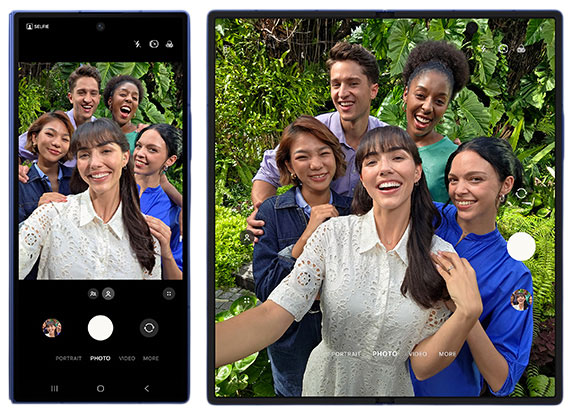
It has 8K 30fps video recording, which none of you will likely use, but the 4K 60fps quality is great. For selfies, both the cover screen and main screen sensors are 10MP and offer good quality. But the real highlight is that you can take selfies with the main camera, which is absolutely flawless and professional.
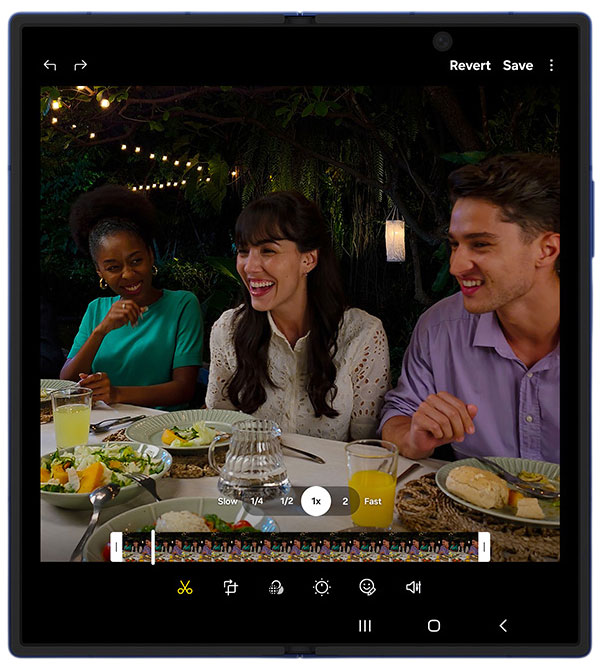
To be honest, while the Z Fold 7 has a good camera package, if photography is your top priority, you don’t need to spend $2,000 on a foldable. You can buy the S25 Ultra for less, as it has a periscope telephoto lens and a way better zoom, and it has a better camera overall.
Performance
The strongest Android processor currently available, the Snapdragon 8 Elite for Galaxy, is inside the Z Fold 7. This Samsung-exclusive version is slightly overclocked, with CPU and GPU cores running at higher frequencies. In benchmarks, the Fold 7 scores incredibly well and feels lightning-fast in daily use.
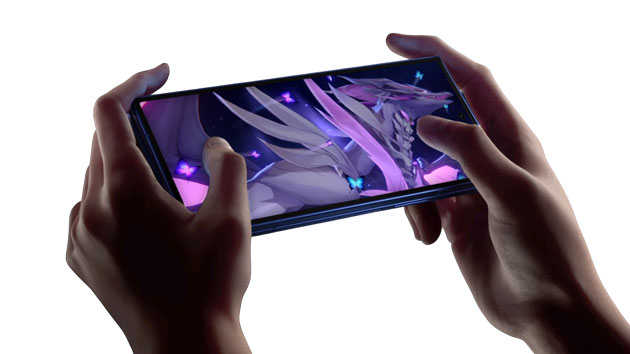
Using such powerful hardware in such a tight space without a vapor chamber cooling system means it gets warm a bit faster than thicker phones like the S25 Ultra during heavy gaming, which can lead to some throttling. But for 99% of other tasks, whether it’s heavy gaming or demanding apps, you won’t feel any lack of power.
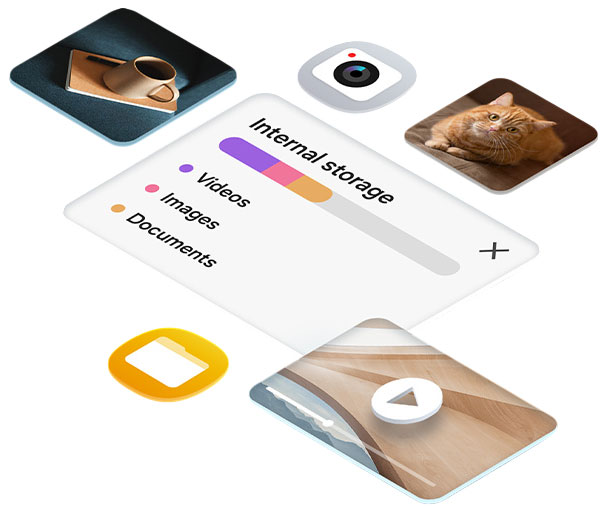
The Z Fold 7 starts with 12GB of RAM, but if you choose the 1TB model, you’ll get 16GB, which is perfect for heavy multitasking and keeping dozens of apps open. Storage starts at 256GB and goes up to 1TB.
OS & AI
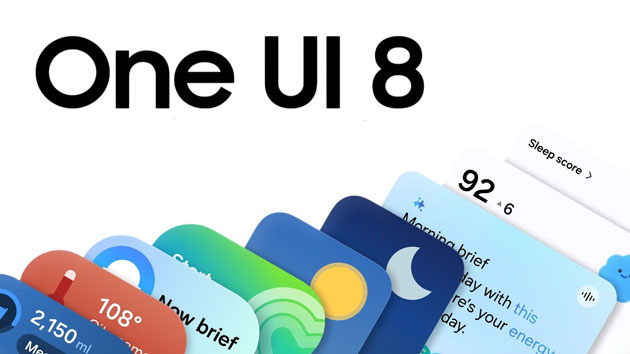
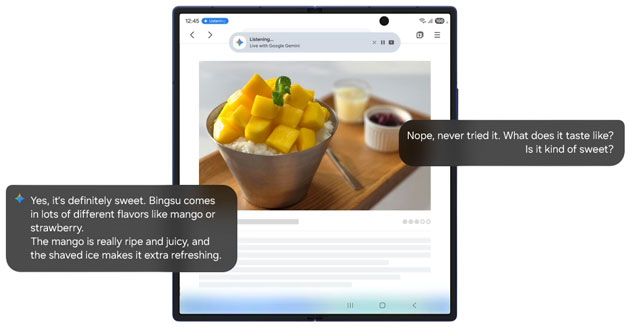
The Galaxy Z Fold 7 runs on Android 16 with One UI 8. Like the previous generation, it’ll receive seven years of software and security updates. It includes all the Galaxy AI and Google Gemini features, and they work perfectly. Samsung’s definitely ahead of its rivals in this area.