It was with the Poco X series that we realized we could experience mid-range phones with flagship power. Today, the Poco X8 Pro MAX is here with a more powerful chip, a massive battery, and a larger display compared to the X8 Pro. Is this gaming phone worth buying? I’ll give you my verdict at the end of the review, so let’s check out this giant-killer together.
Design & Build Quality
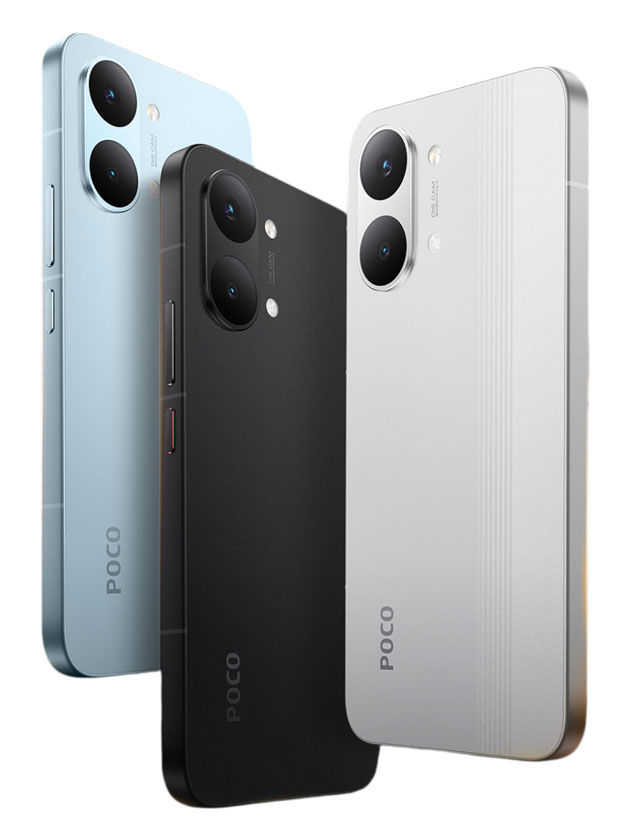
When you look at the Poco X8 Pro MAX’s design, you quickly notice that Xiaomi took the safe route here and preferred not to stray too far from the cheaper version, the X8 Pro. The design language is pretty much the same, just everything is bigger and heavier here. The phone itself has larger dimensions and weighs more.

The build quality of this phone is really high. Poco used a combination of glass and aluminum, which means when you hold the phone, it doesn’t feel like a cheap or mid-range device at all. Exactly the opposite of some phones that only have cool specs on paper but feel like toys in your hand, the X8 Pro MAX completely delivers a premium product vibe.
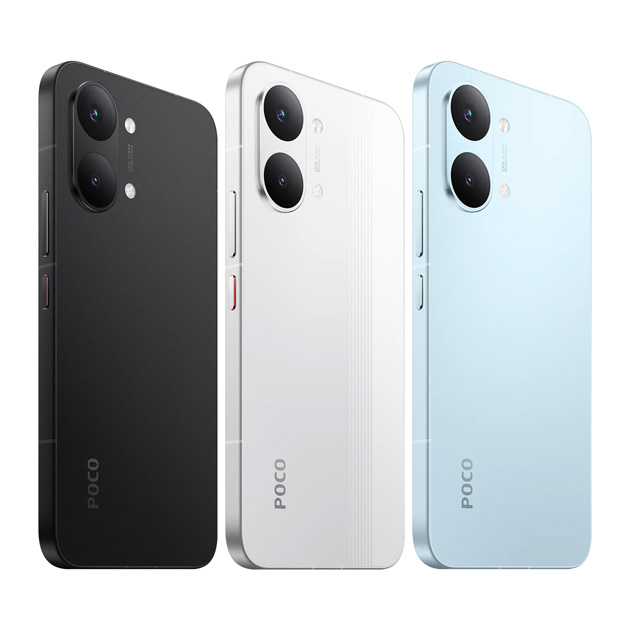
You can get the Poco X8 Pro MAX in three colors: Black, Blue, and White. The white version keeps those busy patterns on the back, which some people like because it makes the phone look different, but for others, it is still too busy and boring.
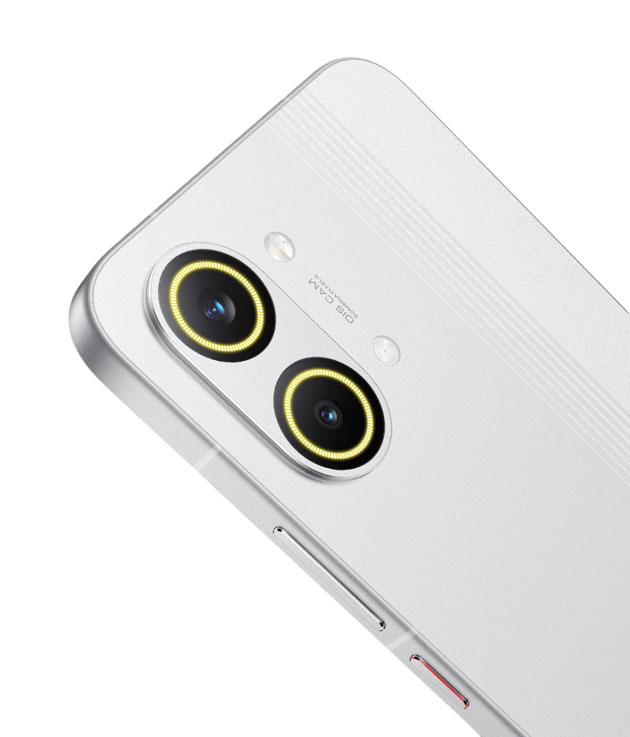
The glowing ring around the camera module is still here too, and just like the cheaper version, you can customize it for calls, notifications, or different activities.
Display & Sound

The display follows the exact same familiar and safe path we saw in the smaller X8 Pro. Only here, everything is offered in larger dimensions.

Xiaomi is still using a flashy 6.83-inch AMOLED panel for the Poco X8 Pro MAX, and you can find almost everything you expect from a fully-equipped display in it. From a 120Hz refresh rate to support for various HDR10 and Dolby Vision standards, and even a very high PWM frequency to reduce screen flickering.
Speaker
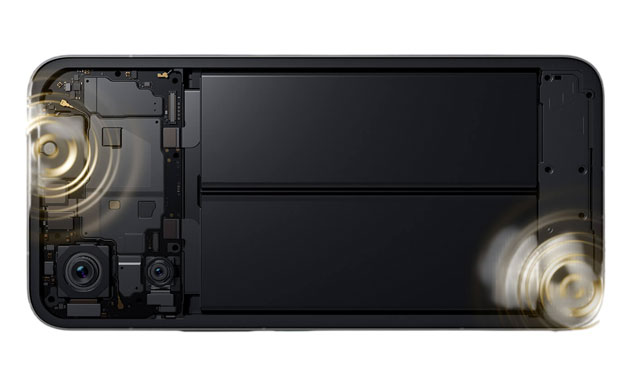
The speakers on this phone use a dual stereo system. The speakers Xiaomi used in the X8 Pro MAX are the Goertek 1115F model, which are considered high-end speakers from Goertek. The sound still doesn’t reach the level of the Poco F8 Ultra and its dedicated subwoofer, but the audio quality is still really good. In terms of output quality, it is completely clear, the mids are played clearly, the highs have good quality, and overall, the listening experience is rich and enjoyable.
But one of the features Xiaomi has hyped up a lot is the ability to boost the volume up to 400 percent. I tested this mode and the phone can really produce a very loud sound, but I think if audio quality matters to you, you better not go over 100 percent. At very high volumes, especially at 400 percent, the high notes get distorted and muffled, and the quality drops.
It is really exciting for me that Xiaomi used the 1115F speakers because it shows they are taking mid-rangers up a few notches in different areas.
Battery & Charger
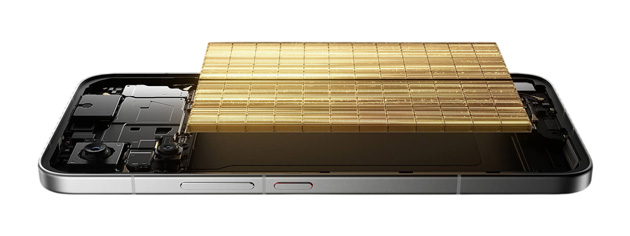
For the battery, Xiaomi released the Poco X8 Pro MAX in two versions. One is the global version with an 8500mAh battery, and the other is the Indian version with a 9000mAh battery. Both versions use a silicon-carbon battery.
The battery performance is good too, and with semi-heavy use, it easily lasts over a day. With light use, it can even survive up to three days.
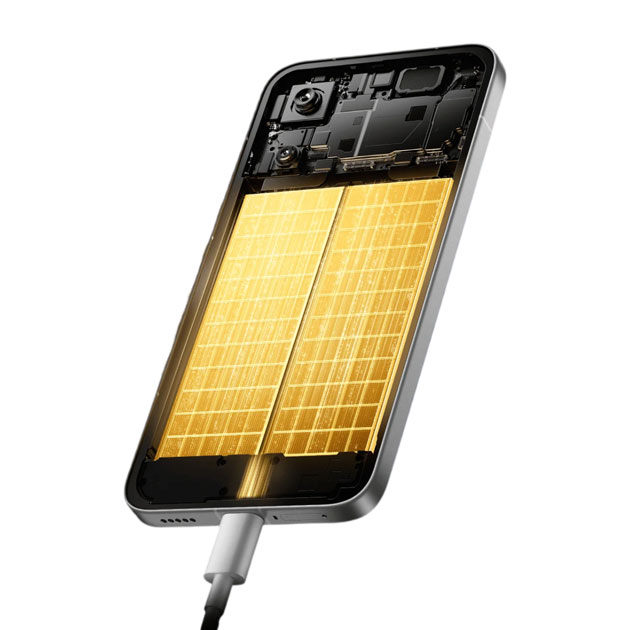
The charger in the box is 100W, which charges the battery to 50% in 25 minutes and fully charges it in about an hour. It also supports 27W wired reverse charging.
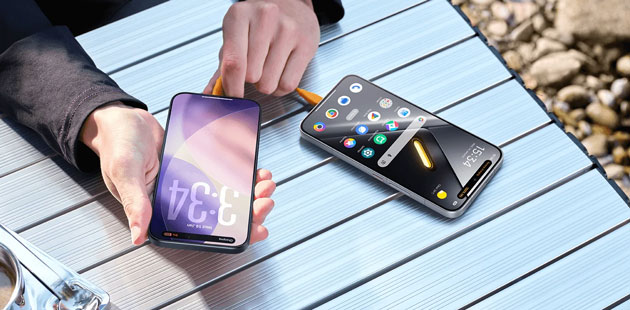
Don’t even stress about whether to buy the global or Indian version. Either way, this phone’s battery life is incredible, whether it has the 8500mAh or the 9000mAh battery.
Performance
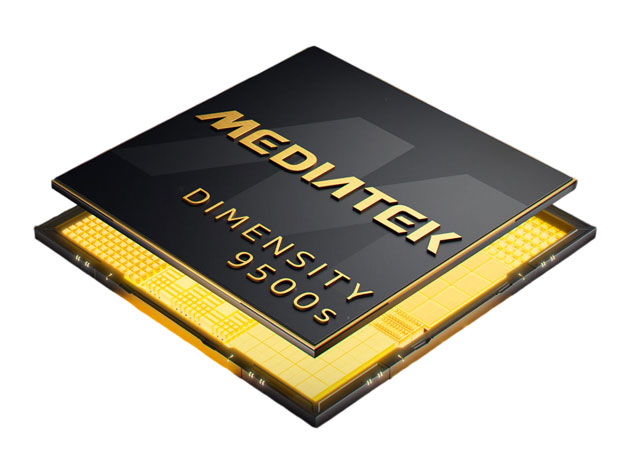
Xiaomi used one of MediaTek’s most powerful chipsets, the Dimensity 9500s, for the Poco X8 Pro MAX. It’s a chipset that, if not throttled by the manufacturers, gives you a massive amount of processing power.
It’s a chip that performs exceptionally well in the CPU department. Its GPU is fully ready to run heavy games, and it offers very high-end features in AI and image processing. On the flip side, its power consumption is highly optimized relative to the power it provides, which means it delivers great performance without destroying the battery life under heavy load.
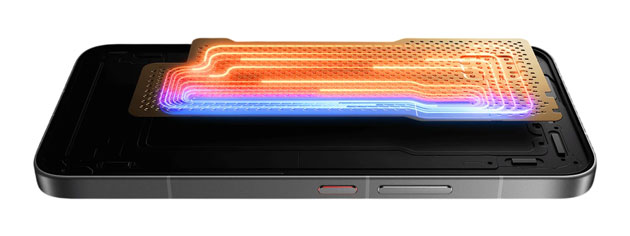
In my tests, I played PUBG at nearly 120 frames and averaged around 60 frames in Genshin Impact, which is one of the heaviest mobile games. The phone had good, stable performance, and it seems this chipset isn’t restricted. What was interesting to me is that the phone didn’t get too hot while gaming, and the temperature didn’t go over 45 degrees. This shows the cooling system also did a great job and didn’t let the chipset throttle too soon.
On top of all this, Xiaomi included some gaming-specific software features in the phone called Wild Boost. Features like 1.5K super resolution, running at 90 frames in some games, improved touch response, and Game HDR which makes details in dark scenes more visible. When you use these features, you definitely feel the improvement, but in return, it puts more strain on the chipset and makes the phone a bit warmer.
I can say the Poco X8 Pro MAX has almost everything you’d expect from a gaming phone. From a powerful chipset and proper cooling system to a massive battery and stable performance in games like Genshin Impact, PUBG, and Call of Duty.

On the software side, the X8 Pro MAX runs on HyperOS 3 based on Android 16 and will receive four years of Android updates and six years of security updates.
Camera
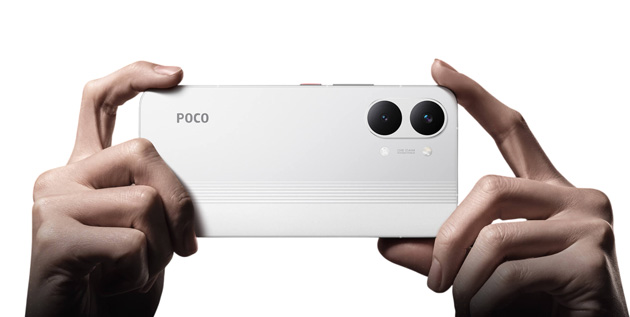
The camera department is where Xiaomi, much like the simpler X8 Pro, hasn’t focused on much. In fact, the camera specs of the Poco X8 Pro MAX are exactly the same as the regular version. We have a 50MP main camera with a Light Fusion 600 sensor, an 8MP ultrawide camera, and a 20MP selfie camera using the OmniVision OV20B sensor.
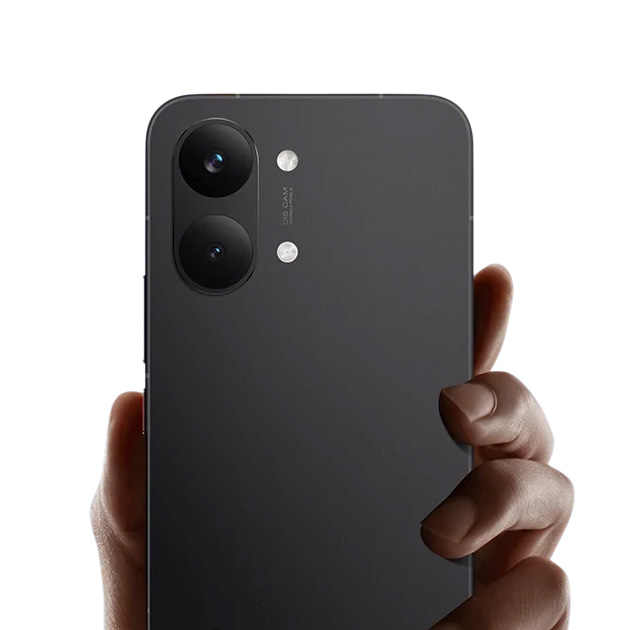
The main camera takes attractive and colorful photos in good lighting. Its dynamic range is acceptable and it completely gets the job done for everyday use or social media. The capture speed and overall camera performance are good and offer you a hassle-free experience.

However, I think rather than focusing on image accuracy and realistic details, Xiaomi tried to process the photos to be overly saturated and eye-catching. This means the colors are sometimes more unrealistic than they actually are. That makes the camera more suited for regular users and social media, not for people looking for a more professional or natural output.
As for the ultrawide camera, it’s just an acceptable camera and you shouldn’t expect a lot of detail or very high quality from it. It’s more useful for emergencies or capturing wider shots rather than being a selling point for the phone.

Overall, the X8 Pro MAX camera isn’t the part that will blow you away. The cameras get the job done and take attractive, social-media-friendly photos, but if you’re looking for a fully professional or all-around photography experience, this phone probably isn’t what you’re looking for.
My thoughts on this gaming phone: Is the Poco X8 Pro MAX worth buying?
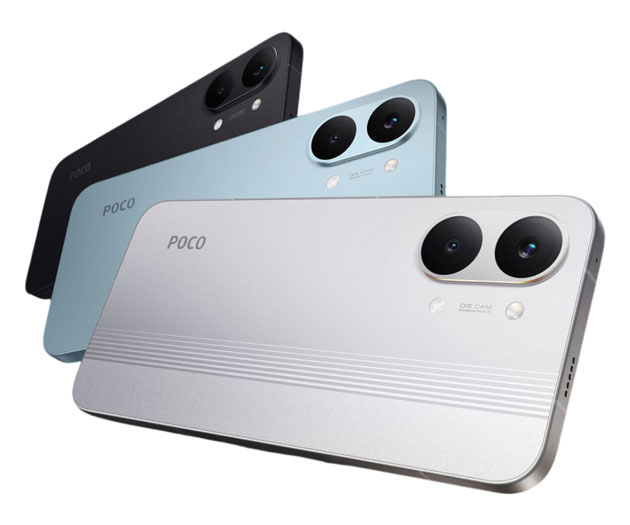
Well, the Poco X8 Pro MAX is a complete phone with a bad camera. Actually, a better way to put it is that the camera isn’t as good as the rest of its features, which is exactly what we expected. This means people who don’t prioritize the camera should go for this phone.
Now, a question you might have is whether there’s another phone where the other specs are as good as the X8 Pro MAX but with a better camera? Yes, there is, but you’d have to spend a lot more money. It’s true that Xiaomi didn’t use a high-end camera package in this phone, but in return, they kept the price significantly low around 500 dollars, which gives it a very high purchase value with not many competitors. So just know that in this price range, the X8 Pro MAX is a highly valuable phone.