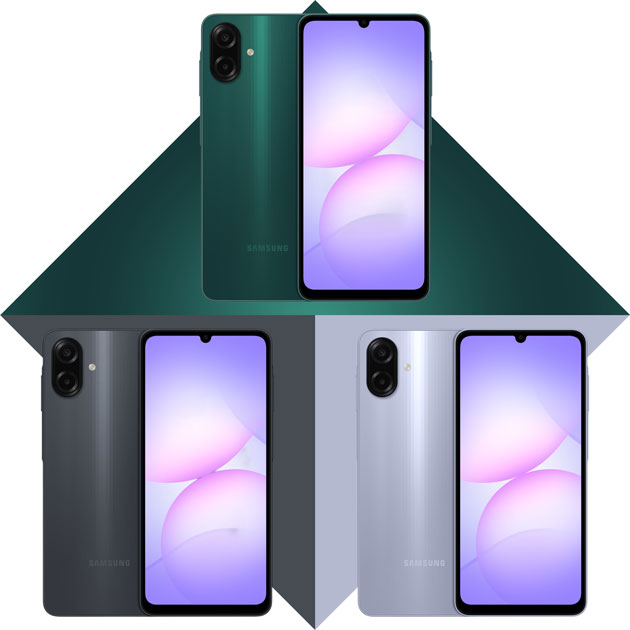
The Samsung Galaxy A07 4G is a really solid upgrade over its predecessor, the A06 4G, and it might just be the budget phone many of you’ve been looking for. But hey, it also has a few strange drawbacks that could make you seriously regret buying it if you aren’t aware of them beforehand. Let’s take a closer look at this affordable device to see if it’s actually worth your money.
Design
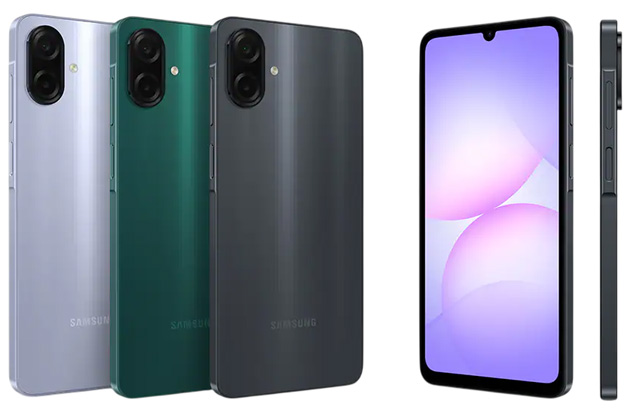
The first thing that’s going to surprise you when you see it is just how huge the Galaxy A07 4G is. It’s actually 0.5cm longer than a flagship like the Galaxy S25 Ultra. I get that a lot of users love big screens, but considering the thick display bezels, which are totally normal for a budget phone anyway, I think Samsung should’ve gone with a slightly smaller screen so it wouldn’t be such a pain to hold.
If we move past the ergonomics and comfort, you can see Samsung’s new design language here too. The frame is completely flat, and it features that famous island or bump over the power and volume buttons. The frame and back panel are entirely plastic with no metal or glass in sight, which is exactly what we expect from a phone in this price range.
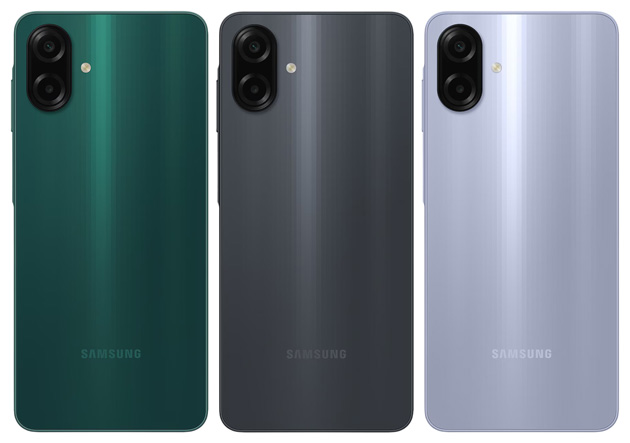
You can pick the Galaxy A07 4G in Dark Green, Light Violet, and Gray. It has a unique design that reflects light beautifully, especially in this green color, which is totally my style and looks super attractive and nice.
The back cover is fingerprint and smudge magnet, but since most of us always put our phones in a case, you probably won’t even notice. It’s 7.6mm thick, and the weight is actually good for its size. At 184 grams, it’s lighter than a lot of flagships.
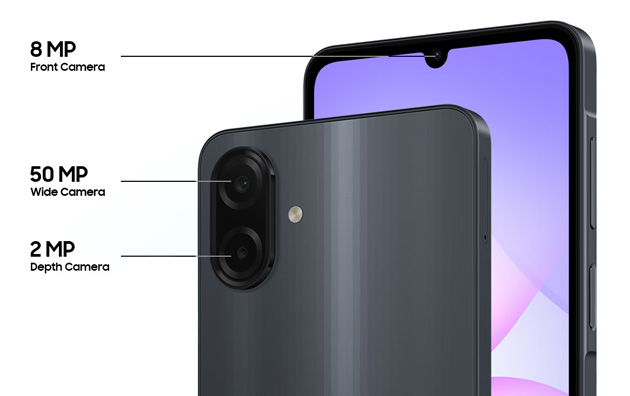
There’s a nice change in the camera department. We don’t have those separate, individual camera rings anymore. Instead, two sensors are stacked under each other inside a single, unified frame with the flash right next to them. The camera bump is minimal and completely manageable.
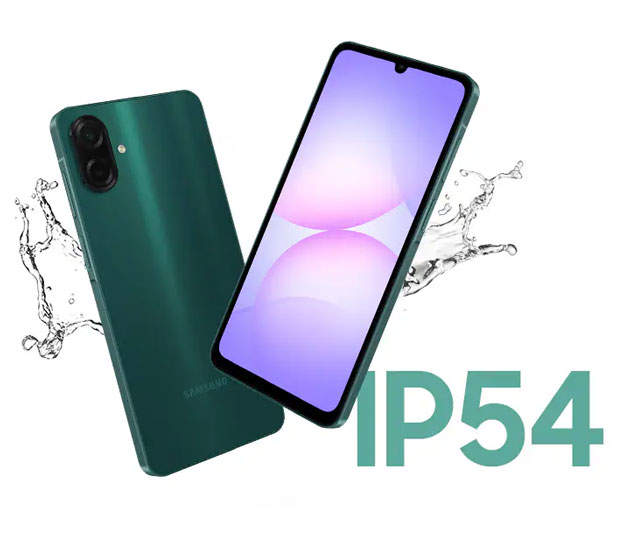
The A07 4G comes with an IP54 rating, which is a great upgrade over the last generation and gives you peace of mind when it comes to basic dust and splash resistance. The good news is that, unlike expensive models, we get both a microSD card slot and a headphone jack here. However, inside the disappointing box, they only give you a cable, so there’s no charger, case, or anything else.
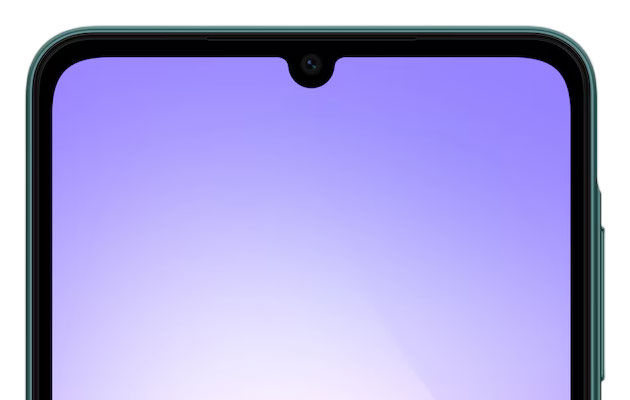
When you look at the Galaxy A07 4G from the front, it’s just bezels as far as the eye can see, especially at the bottom where the chin is huge. The selfie camera is located right above the screen in a waterdrop notch. It’s definitely not a display you’re going to enjoy looking at in terms of its bezels.
The fingerprint sensor is built into the power button, and its accuracy and speed are actually really good for this price, but it’s placed way too high. If you have small hands, you’ll have to shift the phone in your hand every single time just to reach the sensor, which gets annoying. That’s yet another reason why they shouldn’t make phones this big.
Display & Audio
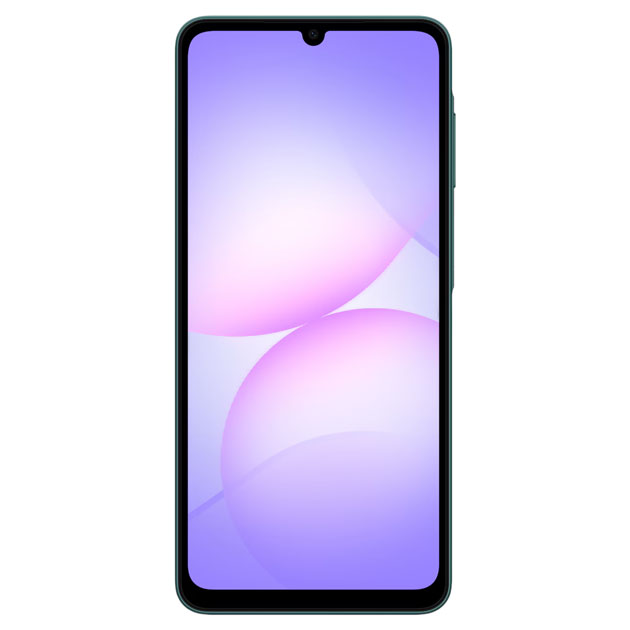
If I’m being completely honest with you, the screen is the biggest weakness of the Galaxy A07 4G. We’re dealing with a 6.7-inch PLS LCD panel with HD+ resolution that gives you a pixel density of 262ppi.
Yes, an HD+ resolution is normal in this price range, but because the screen is so big, the difference between 720p and 1080p is really noticeable and stands out. If the screen was, say, 6.3 or 6.4 inches, we’d have much better pixel density and clarity.
The next issue is the poor viewing angles. You just have to tilt the phone a little bit to see a massive drop in brightness. The panel brightness itself isn’t that high either, reaching a maximum of 470 nits in auto mode, which is weaker than its competitors.
The color temperature leans way too cold and blue, and what’s even weirder is that, unlike other Samsung phones, you can’t find any option in the settings to change the color temperature or white balance.
The bezels around the screen are thick, and people with OCD might find it frustrating because the bottom, top, and side bezels aren’t symmetrical. But truth be told, after working with the phone for 30 minutes to an hour, you won’t even notice these bezels anymore.
At night, if you use it at minimum brightness, the light might still feel a bit too bright for you, so you definitely need to turn on the Extra Dim option so your eyes don’t get strained.
The only good news is that the refresh rate has finally bumped up from 60Hz to 90Hz, which is even faster than Apple’s iPhone 16, making scrolling and animations look smoother. Just keep in mind that competitors like Xiaomi Redmi A5 or Redmi 15C are offering 120Hz screens in this exact same price range. I expected more from Samsung.
There’s only a single speaker on the bottom edge, which is fine for watching vertical videos on Instagram, but it doesn’t have much bass and the volume is just average. If you hold the phone horizontally to watch a movie, this one-sided sound gets annoying.
Performance
The biggest advantage of the Galaxy A07 4G over its competitors, and the largest leap over the A06, is definitely its processor. Samsung finally went with the MediaTek Helio G99 chip, which is a massive upgrade over the previous G85. Even better, the phone’s internal storage has changed from the super slow eMMC type to UFS 2.2, which is way better.
This phone comes in different versions with 4, 6, or 8GB of RAM and 64 to 256GB of storage. I tested the version with 8GB of RAM and 256GB of storage. Everything is completely smooth and nice in the user interface, and you see very little lag or bugs.
The base version of this phone comes with 4GB of RAM and 64GB of storage. In my opinion, the minimum storage should’ve been 128GB, meaning a 4 by 128 version. In this 64GB version, you get less storage for your money. Because of that, I’d highly recommend going for the 128GB version, even though it costs a little more.
In heavy gaming tests like Call of Duty, you can play on Medium graphics for 30 to 40 minutes without any weird lag or frame drops, and it stays completely stable.
The performance gap between this and more expensive models like the Redmi Note 14 4G or Galaxy A17, which cost almost twice as much, isn’t that big either, and it keeps up with them just fine. So, if you’re looking to game at this price point and you aren’t overly sensitive about the screen’s touch response, it’s a solid choice.
Battery & Charger

Another strong point of this phone is its battery. Samsung used a 5000mAh battery for the Galaxy A07 4G with support for 25W charging. Thanks to the efficient 6nm chip, the battery life is really good and easily gives you a full day of use under normal, everyday conditions.
To give you an idea, an hour of playing Call of Duty drains about 13 to 14% of the battery. It gives you good battery life depending on your usage, even though it’s efficient in some areas and not as much in others.
The standby battery life is also excellent. Even with a bunch of apps like Instagram and Telegram open in the background, and both Wi-Fi and a VPN connected at the same time, the battery drained very slowly.
The 25W adapter isn’t in the box as usual, so you have to buy it separately. With a 25W adapter, it gets to 26% in 20 minutes, 42% in 30 minutes, and a full charge takes about 90 minutes.
Camera
Usually, when we go down in phone price ranges, the first thing that gets sacrificed is the camera. The Galaxy A07 4G isn’t going to pull off any miracles for you at this price point either.
This phone has a main camera with a 50MP Samsung Isocell GN1 sensor that shoots Full HD video. The second camera is called a depth sensor, but it’s mostly decorative. The front camera is an 8MP sensor with fixed focus. There’s no OIS, and the camera app environment and switching between modes is a bit slow.
In good lighting, photos are captured at 12.5MP by default. The dynamic range is acceptable thanks to image processing, and there’s plenty of detail.
Samsung oversharpens photos, and if the scene is busy, like a tree full of leaves, the result looks very artificial. To fix this problem, you can switch to the 50MP shooting mode. The photo capture speed and dynamic range drop a bit here, but that artificial look gets mostly resolved.
The 2x zoom is just a digital crop, which has more noise and less detail than the regular mode, but it’s usable in good light. Selfies in daylight don’t have focus issues because of the narrower aperture, and they look relatively good.
In low light and at night, the photo quality takes a total nosedive, just as expected. If there are decent light sources in the environment, the image processing does its job, and the final result turns out better than what you see while taking the photo.
But if the light is really low, noise increases, the dynamic range gets limited, and details are lost. Night mode doesn’t make much of a difference either, and even though it makes the photo brighter, it actually reduces details even further.
The selfie camera isn’t good at all in low light, and it’s best to take your selfies before sunset.
1080p video recording at 60fps is also acceptable in good light if your expectations aren’t too high, but since we don’t have OIS, the videos are very shaky. It’s better to stand still in one spot when you’re filming. For a budget phone, the camera is fine and completely gets the job done for profile pictures, stories, and get-togethers.
OS & AI
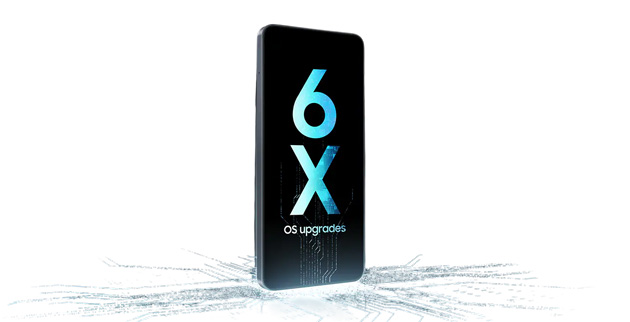
Software has always been Samsung’s strong suit, and luckily they bring this approach to their budget phones too. The Galaxy A07 4G gets 6 years of major Android updates, which is incredible. If you’re lucky, competitors in this price range will update their phones for two or three years at most.
Right out of the gate, I got Android 16 with the One UI 8 on this phone, which felt really great. Of course, you don’t get the full features of this user interface here. For example, Galaxy AI is completely removed from this phone, but the useful Circle to Search feature is still present.
Visually, we have that same clean and stylish signature of Samsung’s One UI, and it doesn’t look like Chinese interfaces that mimic iOS. Lock screen customization features and the separation of the notification panel from the quick settings are also there by default.
This hardware and software package is truly satisfying, and it’s not the kind of phone that will start annoying you after a year. You can easily count on it for 3 to 4 years.