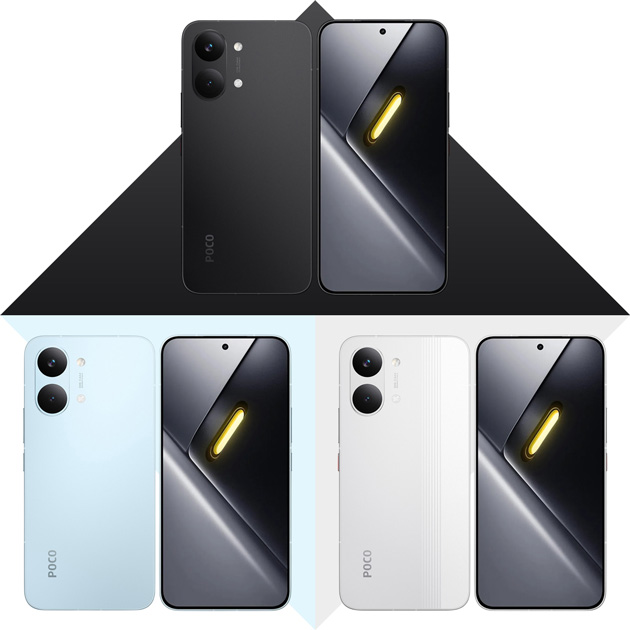
Poco is once again aiming to secure its spot in the mid-range smartphone market with the introduction of its new model, the X8 Pro. This phone brings some impressive specs on paper, including a 1.5K AMOLED display with a 120Hz refresh rate and Dolby Vision support, a Dimensity 8500 Ultra chipset which is a step up from the Dimensity 8400 Ultra, and a bumped-up battery capacity of 6500mAh.
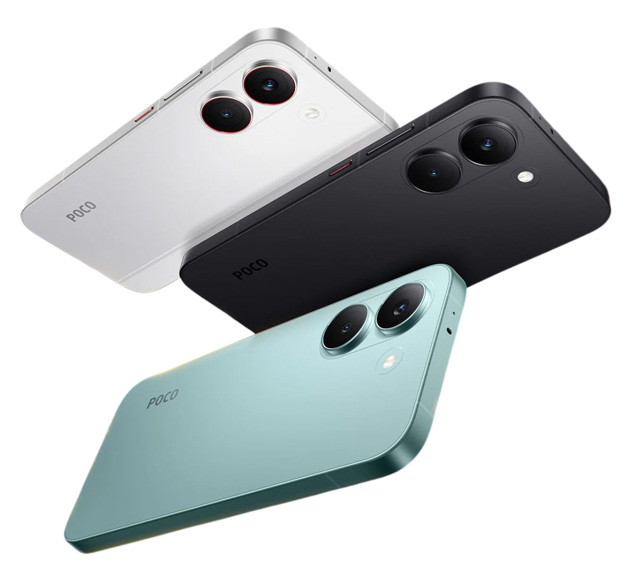
I’m going to review the Poco X8 Pro. So stick with me until the end to see if this phone, which goes toe-to-toe with $1,000 flagships but has a tempting price tag, is actually worth buying.
Design & Build Quality

The first thing you’ll notice when picking up the phone is that the Poco X8 Pro is a bit smaller and more ergonomic than its predecessor. This change, along with upgraded materials, gives you a much better feeling when you hold the phone. They’ve mostly ditched the plastic this time around, replacing it with aluminum and fiberglass. This makes the phone feel more premium and takes it a step away from that purely budget vibe.
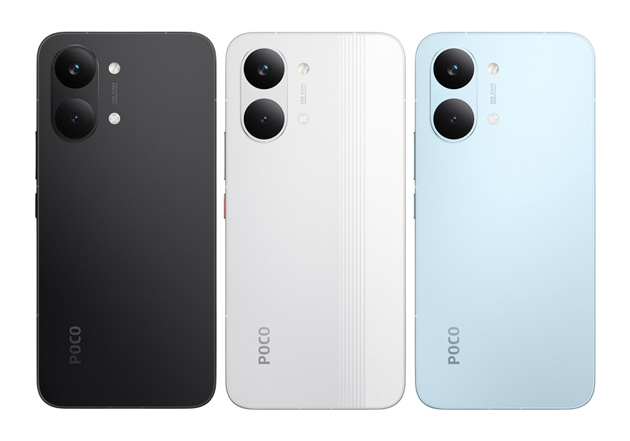
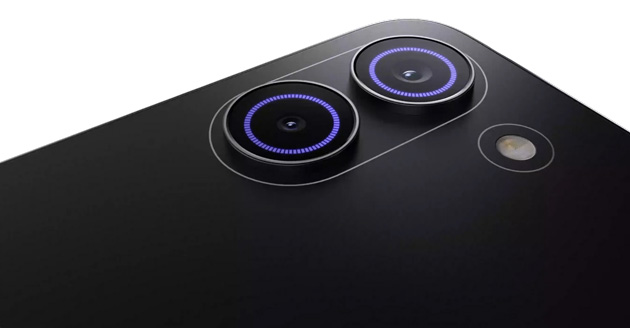
You can get the Poco X8 Pro in three colors: Black, White, and Mint Green. They all weigh 201g and are 8.4mm thick. Poco went with a simpler and more minimal design route here, so those busy patterns that could get annoying after a while are gone. Of course, Poco still added its own signature touch, which is an RGB light ring around both cameras. This is totally a matter of personal taste. You can turn it off completely or customize it for notifications and other things.
On the front, the bezels are thinner, and the screen takes up about 90% of the front panel, giving the phone a really modern look. To protect the display, Poco used Gorilla Glass 7i, so it holds up well against everyday scratches.
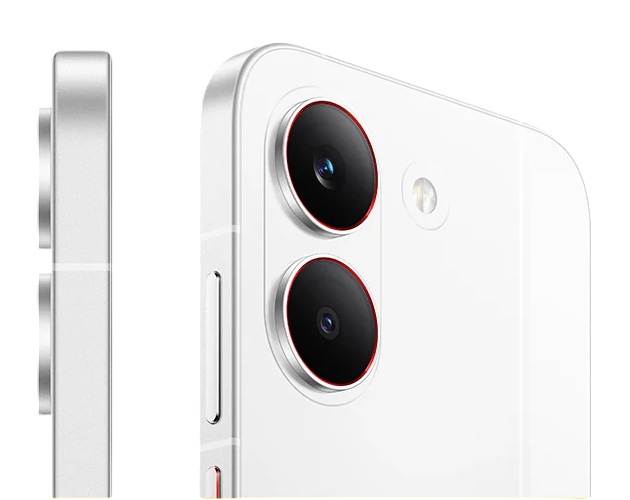
Guys, two great things are happening with Xiaomi’s mid-range phones. First, their materials are getting better, with aluminum, glass, and fiberglass replacing plastic. Second, Xiaomi is making more ergonomic versions of these phones, so you don’t have to buy their flagships just to get a phone that feels good in your hand.
Display & Audio

Poco used a 6.59-inch AMOLED panel for the X8 Pro, which is 0.08 inches smaller than the X7 Pro. This display is very similar to the last generation, with the only real difference being slightly higher peak brightness.
Speaking of brightness, I have to say this panel reaches an incredible 3500 nits at peak brightness and 2000 nits in HBM mode. So you can rest easy knowing you won’t have any trouble seeing the screen under direct sunlight.
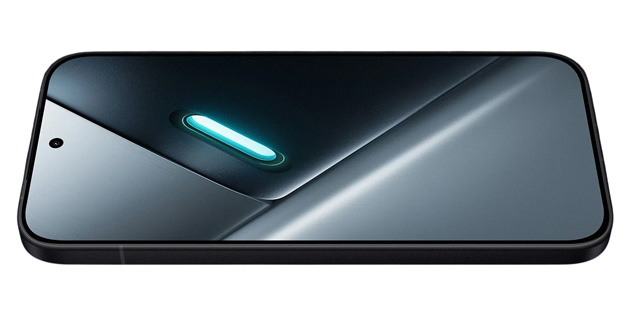
The image quality is also super sharp and precise thanks to the 2756×1268 resolution and a high pixel density of 460ppi. When you combine this clarity with support for 68 billion colors, HDR10+, and Dolby Vision, watching movies and gaming on this screen becomes a genuinely enjoyable experience.
Just like previous generations, the 120Hz refresh rate makes scrolling through menus and social media totally smooth. Another huge plus for people with sensitive eyes is the high-frequency 3840Hz PWM dimming technology, which minimizes eye strain in dark environments.

Now let’s talk about the X8 Pro’s speakers. Like the previous model, it features a stereo speaker setup and delivers a decent audio experience. The volume hasn’t changed much from the last model, but it’s still at a good level. However, if you max out the volume, the sound gets a bit distorted and loses its initial quality. The output just doesn’t stay perfectly clean at the highest volume.
I’d say the X8 Pro’s speakers perform well, but to get the best quality, it’s better to keep the volume a notch or two below the maximum. That way, you get decent loudness while keeping the sound quality at its best.
Battery & Charger
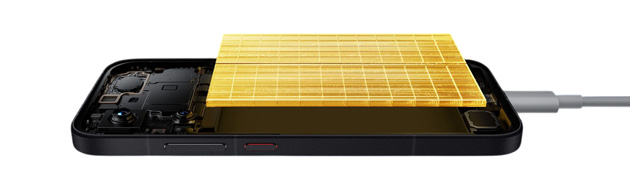
The Poco X8 Pro packs a 6500mAh silicon-carbon battery, which is a 500mAh increase over the previous generation. You get a 100W charger in the box, and the phone also supports reverse charging up to 25W.
Battery life has improved compared to the last generation. In daily use, thanks to the larger battery and better power optimization, you can easily count on it for a full day. Plus, the fast charging speed means you’ll rarely find yourself stressing over the battery.
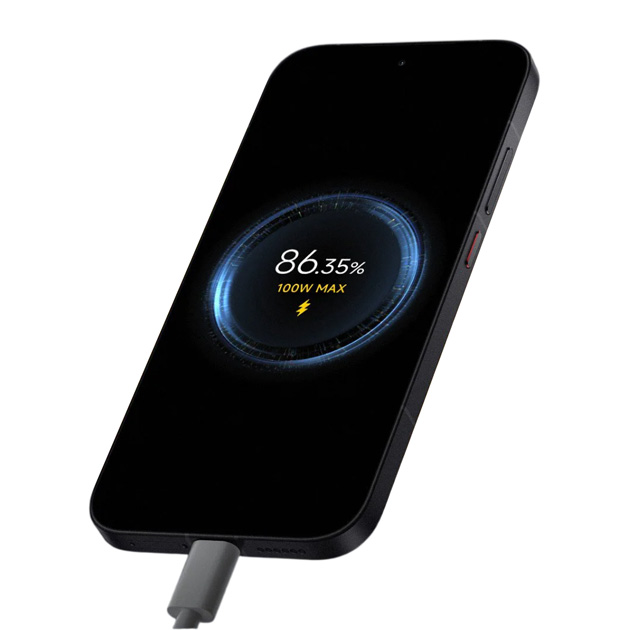
In my battery tests, I noticed that the power consumption pattern of this phone is completely normal, whether it’s idle or under full load. There’s no weird battery drain, and the battery behavior in different scenarios is very predictable and balanced.
Performance
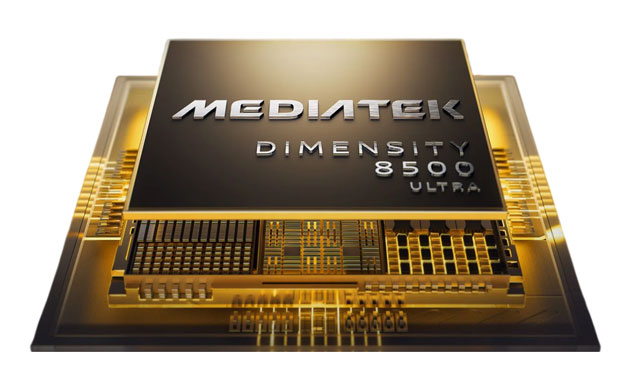
The Poco X8 Pro uses the Dimensity 8500 Ultra chip, which isn’t hugely different from the previous generation’s Dimensity 8400 Ultra.
In daily use, the phone’s performance is totally smooth. It opens apps quickly and doesn’t lack anything when it comes to multitasking. Gaming is good too. It runs games like PUBG, Call of Duty, and Genshin Impact with high frame rates and good stability.
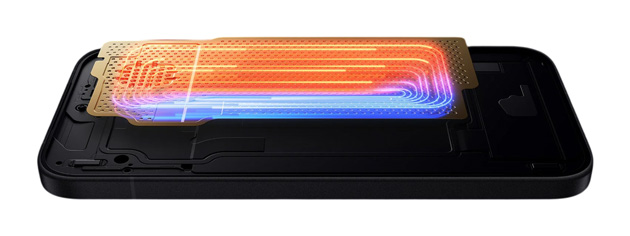
The cooling system performs well, and the phone doesn’t get excessively hot even under prolonged stress. The chipset’s stability in heavy, long-term tests is relatively solid, and you won’t see any severe drops in performance. I can say this phone is totally reliable in terms of power and is a great choice for gaming and heavy tasks.
Camera
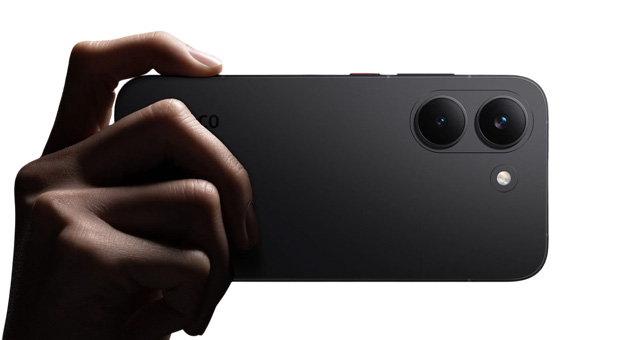
The X8 Pro’s camera hasn’t seen any major hardware changes from the last generation, and we’re dealing with the same setup. There’s a 50MP main camera, an 8MP ultrawide, and a 20MP selfie camera. It seems Poco relied more on repeating their previous formula here rather than doing a serious redesign.

The selfies taken with this phone are decent for this price class. The field of view is quite wide and details are captured well. However, the image processing makes the output a bit softer than expected, so you don’t really get the level of detail you’d expect from a 20MP sensor.
In terms of skin tone, there’s a warmer, slightly pinkish vibe that some people will like and others won’t.

Photos taken with the main camera look good in terms of color and visual appeal. The colors are a bit exaggerated but still eye-catching. The dynamic range is good, and the white balance is consistent in most conditions.
The main issue pops up when you crop the image. That’s when you notice the level of detail isn’t very high, and a lot of the image sharpness comes from software processing rather than the sensor. But if the subject is close and doesn’t have complex textures, the result is totally satisfactory. The same story repeats at night; everything is fine except for the fine details.

The ultrawide camera mostly just gets the job done. In good lighting, photos from this sensor are adequate in terms of color and dynamic range, and they even look satisfying at first glance. But the limitations of being an 8MP sensor show up in the details pretty quickly.
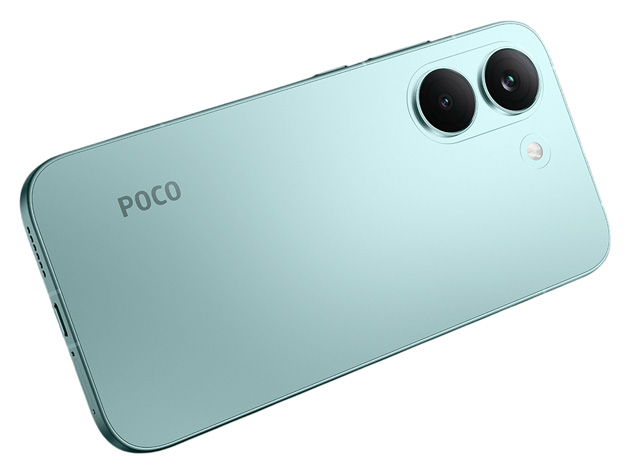
In the end, I can say the Poco X8 Pro’s cameras are more of a handy package than a seriously professional setup. If the lighting is good and you don’t have super high expectations, it does the trick, but this definitely wasn’t the main focus of the phone.